

/file/attachments/orphans/ED_543155_209242.jpg)
























Sadr puts Saraya al-Salam militia under state control, calls on other factions to follow
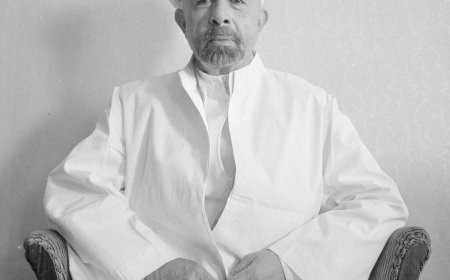
Shiite cleric Muqtada al-Sadr announced Wednesday that Saraya al-Salam, the armed faction affiliated with his movement, will separate from the National Shiite Movement and integrate under the authority of the Iraqi state and the commander-in-chief of the armed forces.
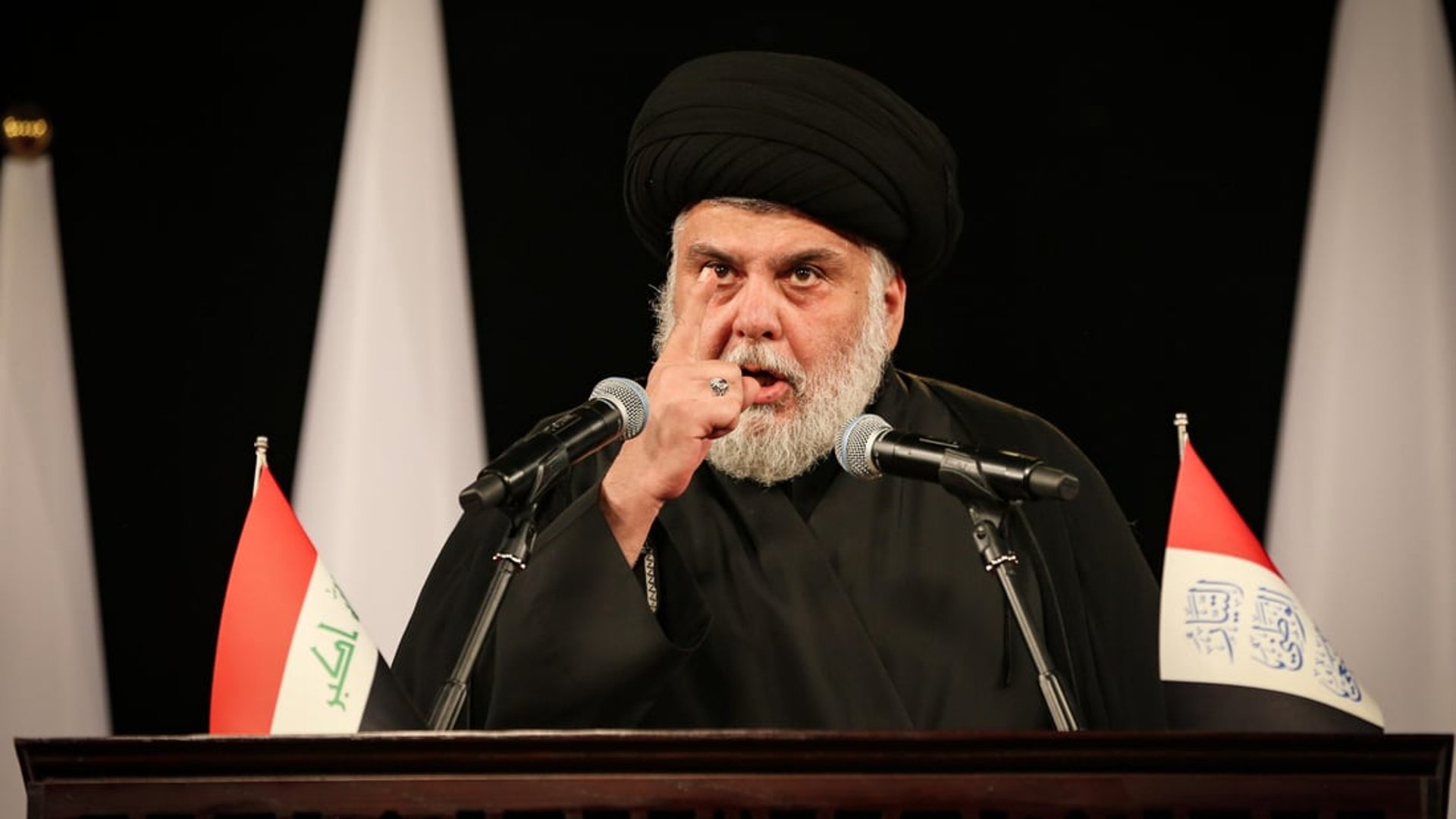
“It has become necessary for us to announce the complete separation of Saraya al-Salam from the National Shiite Movement and their full integration with the state and the general commander of the military formations,” Sadr said in a statement posted on X, adding that the move was made “in the interest of the homeland and to avoid the dangers surrounding it.”
He said civilian bodies affiliated with the group would join his movement’s non-military facilities “without any headquarters, weapons, uniforms, titles or anything else,” and thanked Saraya al-Salam members “for all their greater and lesser jihad.” He expressed hope that other PMF factions would “separate themselves from partisan and sectarian orders, especially after the armed factions handed over their weapons to the state, as we advised them years ago.”
Prime Minister Ali al-Zaidi welcomed the decision, calling it “an important step” toward strengthening stability and consolidating state authority over weapons. “We commend the responsible national position announced by the leader of the Shiite National Movement, Sayyid Muqtada al-Sadr, regarding the integration of Saraya al-Salam formations into the state and placing them under the authority of the Commander-in-Chief of the Armed Forces,” Zaidi said, calling on all armed factions to follow the same path.
Saraya al-Salam was formed in 2014 following the rise of Islamic State and is officially part of the PMF. Sadr and his movement have not participated in Iraqi elections since 2022, when Sadrist lawmakers resigned en masse following a prolonged political deadlock over government formation, allowing rivals within the Coordination Framework to fill the vacant seats.
Earlier this month Sadr called on Zaidi to reorganize armed factions under state-controlled structures and exclude parties with armed wings from the cabinet. Former Prime Minister Haider al-Abadi separately advised Zaidi against direct confrontation with factions, urging political dialogue and diplomatic mechanisms instead.
The U.S. State Department’s Rewards for Justice program has announced rewards of up to $10 million each for information on three faction leaders in recent months: Harakat al-Nujaba founder Akram al-Kaabi, Kataib Hezbollah leader Ahmad al-Hamidawi and Kataib Sayyid al-Shuhada secretary-general Abu Ala al-Walaei.
Since the regional war began in late February, Iran-aligned factions under the Islamic Resistance in Iraq umbrella have carried out repeated drone, rocket and missile attacks on U.S. military and diplomatic targets in Baghdad and the Kurdistan Region. The United States has simultaneously struck PMF-linked positions across multiple governorates, killing dozens of fighters.
[Source: 964 Media English]