




/file/attachments/orphans/ED_543155_209242.jpg)



























President Coolidge signs the Indian citizenship act to grant full rights
The historic Snyder act provides national citizenship to all Native Americans born in the country
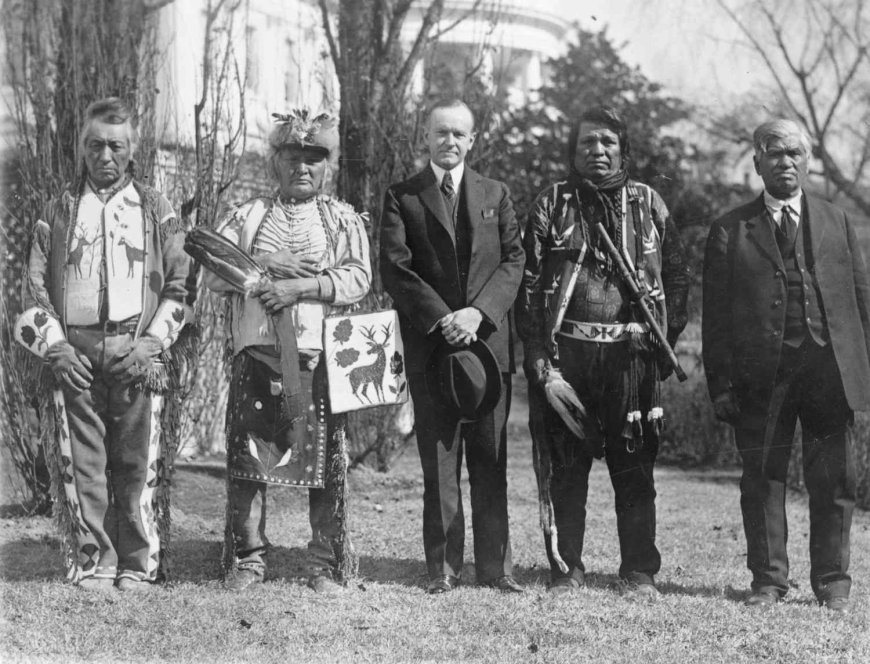
U.S. President Calvin Coolidge signed the historic Snyder Act into law during a significant ceremony in Washington. This monumental legislation granted full United States citizenship to all Native Americans born within the territorial limits of the country. Before this major decision, a vast majority of indigenous peoples lacked basic constitutional protections and voting rights.
The new law marked a massive shift in federal policy toward indigenous populations throughout the entire nation. Representative Homer P. Snyder of New York introduced this crucial piece of legislation to correct long standing systemic inequities. Consequently, the passage of this act represented a critical milestone in the ongoing struggle for Native American civil rights.
Supporters of the measure argued that indigenous people deserved full recognition after serving bravely in World War I. Thousands of Native American soldiers fought valiantly for the nation despite lacking the basic rights of true citizens. Therefore, many politicians viewed this new law as a necessary and long overdue token of national gratitude.
However, the implementation of the law faced immediate challenges regarding actual voting rights at the local level. Several individual states continued to restrict ballot access through unfair voting laws and discriminatory literacy tests for decades. Thus, many indigenous citizens still had to fight separate legal battles to exercise their newly granted constitutional rights.
The legislation also raised complex questions about tribal sovereignty and the future preservation of indigenous cultural identities. Some native leaders worried that the federal government intended to force cultural assimilation through this sweeping citizenship declaration. Nevertheless, the act successfully established a permanent legal foundation for indigenous people to claim their rightful american citizenship.
Historians now view this specific moment as a complicated yet highly foundational step toward modern civil rights. The law fundamentally altered the legal relationship between the federal government and hundreds of sovereign tribal nations. Today, this historic legislative act remains a vital chapter in the broader story of american democracy and equality.
[Source: Smithsonian Magazine]