
/file/attachments/orphans/ED_543155_209242.jpg)

























The disruption of diplomatic negotiations and global markets
A sudden surge in military hostilities halts international diplomacy and triggers a sharp economic downturn.

The delicate background negotiations between Washington and Tehran have completely stalled following the recent military escalations. The United States President Donald Trump had previously maintained that continuous diplomatic communications were progressing through backchannels. However Iranian media outlets now report that Tehran has abruptly halted all contact with international mediators.
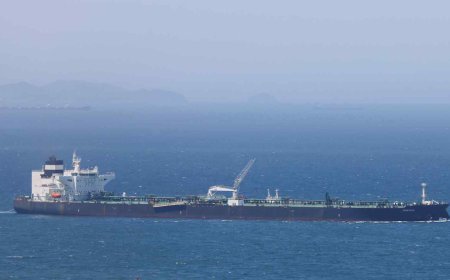
The United States Secretary of State Marco Rubio firmly addressed the diplomatic impasse during a press conference today. He explicitly stated that reopening the heavily mined Strait of Hormuz remains an absolute non-negotiable condition for America. Therefore the combination of closed shipping lanes and halted communication creates a highly volatile situation for global security.
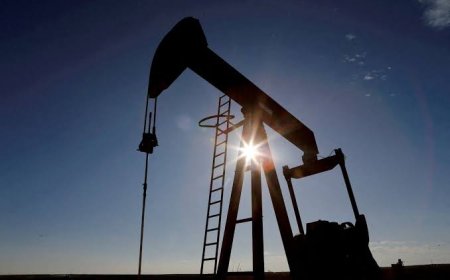
The immediate financial fallout from the regional conflict has sent shockwaves through international energy markets this morning. Global oil prices surged significantly as Brent crude quickly reached ninety-seven dollars and five cents per barrel. Consequently investors fear prolonged disruptions along the vital maritime trade routes that supply the entire world.
The European Bank for Reconstruction and Development also reacted swiftly to the worsening crisis in the region. The financial institution officially downgraded its economic growth forecast for twenty-six due to the ongoing hostilities. Furthermore economists warn that this compounding energy price shock will severely impact manufacturing industries across Europe.
International diplomats are desperately searching for alternative communication channels to prevent a total collapse of diplomacy. Several European leaders are currently urging both nations to avoid further provocative actions along the waterways. Meanwhile commercial shipping companies have started rerouting their cargo vessels around Africa at a massive financial expense.
[Source: Euractiv]