
/file/attachments/orphans/ED_543155_209242.jpg)





















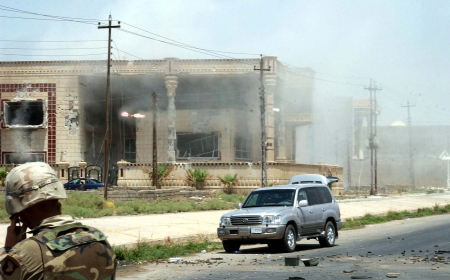




Israel and Iran trade heavy airstrikes after Beirut bombing
Regional tensions explode as retaliatory missile salvos hit major airbases and petrochemical infrastructure
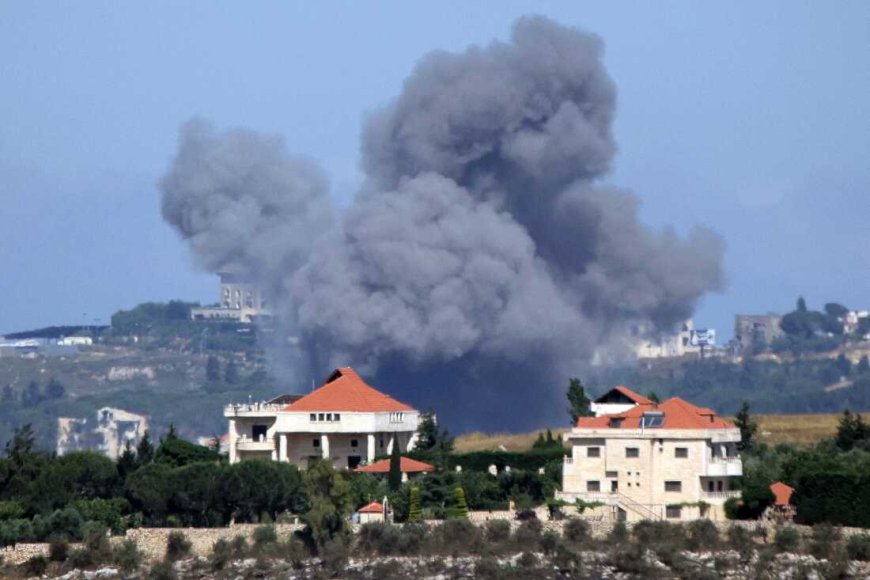
Israel launched unexpected airstrikes on Sunday targeting Hezbollah infrastructure in the southern Beirut suburb of Dahiyeh within Lebanon. The Lebanese health ministry immediately reported that this sudden bombardment killed two people and wounded twenty other local citizens. This aggressive military action quickly triggered a massive chain reaction across the volatile Middle East over the next day.
In direct retaliation Iran's Islamic Revolutionary Guard Corps initiated Operation Nasr by launching multiple waves of powerful ballistic missiles. The elite military unit specifically claimed that its forces successfully targeted the Ramat David, Nevatim, and Tel Nof airbases. Loud warning sirens subsequently sounded across central Israel and neighboring Jordan as air defenses actively intercepted incoming aerial threats.
By Monday afternoon the Israeli military reported detecting a sixth consecutive salvo of incoming Iranian missiles over its territory. Defying urgent diplomatic pleas to stand down from international allies the Israeli Air Force launched immediate retaliatory strikes into Iran. Israeli pilots utilized sophisticated air-launched ballistic missiles against critical military targets and strategic radar sites deep within western Iran.
Local reports indicated a massive explosion and significant damage at the Karun petrochemical plant near the southwestern Iranian city. This specific facility sits near Bandar-e-Mahshahr and represents a major economic hub for the Islamic Republic of Iran. The rapid escalation now threatens to pull the entire region into a destructive and uncontrollable wider war between nations.
[Source: The Guardian]