
/file/attachments/orphans/ED_543155_209242.jpg)






















The United Nations schedules a critical update on the ongoing Libyan crisis
The upcoming Security Council briefing aims to address institutional fragmentation and political deadlock

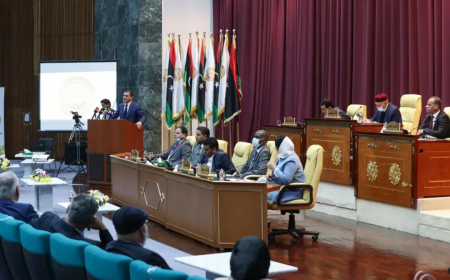
The United Nations Security Council is currently preparing for a highly anticipated briefing regarding the volatile situation in Libya. This crucial session will focus on the deep political deadlock and the severe fragmentation affecting various local institutions. Representatives plan to deliver a comprehensive update to the council members during the scheduled meetings this month.
Hanna Serwaa Tetteh will lead this important presentation in her role as the head of the international mission. She intends to highlight the escalating humanitarian realities that civilians face across the country on a daily basis. Furthermore her report will analyze why previous peace initiatives have failed to stabilize the divided nation so far.
Local protests continue to erupt throughout several major cities because citizens feel frustrated with the stagnant political environment. Demonstrators demand immediate electoral reforms while voicing their anger over deteriorating public services and widespread economic instability. These public demonstrations place additional pressure on international diplomats who are trying to broker a lasting peace agreement.
Diplomats believe that this upcoming briefing could potentially revitalize the stalled negotiation process between the rival factions. Consequently the international community remains deeply concerned about the potential for renewed conflict if these talks fail. Officials emphasize that achieving unity among the divided leadership is essential for long-term stability in the region.
The international body continues to monitor the security situation closely while urging all factions to avoid further violence. Meanwhile regional powers are attempting to influence the outcome of the diplomatic discussions to protect their own interests. Therefore the findings presented during this session will likely shape global foreign policy toward Libya for months.
[Source: The Guardian]