/file/attachments/orphans/ED_543155_209242.jpg)

















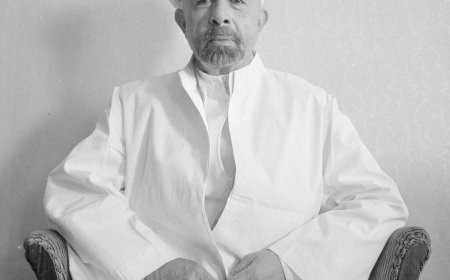

Golden Jubilee of the Gulan Revolution
Michael EJ Phillips

The Gulan, or May, Revolution of 1976 was launched by the Kurdistan Democratic Party (KDP) against the Ba'athist government of Iraq and continued until the 1991 spring uprising. Today is its Golden Jubilee.
The movement associated with the Gulan Revolution arose just over a year after the Algiers Agreement of 6 March 1975 between Iran and the Iraqi Ba’athist regime, which had brought about the collapse of the Great September (Eylul) Revolution and a temporary pause in Kurdish armed resistance. The 1976 Gulan uprising marked an urgent restructuring of Kurdish political and military organisations. The shift from the Eylul era to the Gulan era is widely seen as the turning point that prevented the permanent suppression of Kurdish national aspirations. By reviving the struggle under extremely difficult circumstances, the movement signalled to both regional powers and the international community that the Kurdish cause remained very much alive.
In mid-November 1975, a clandestine meeting in Karaj had resolved to establish an interim leadership for the KDP. This decision arose from concerns within the KDP’s Central Committee about the consequences that failure would have for the Kurdistan revolution and its people. These anxieties were heightened by the subsequent displacement of the population and the disruption of the Kurdistan Democratic Party’s internal structures, which had effectively been dismantled.
Armed resistance against the Iraqi regime resumed in May 1976. In the ensuing clashes, a considerable number of regime forces were killed. In retaliation, the regime deployed its air force to strike the border routes between Iraq and Türkiye. After a thorough assessment of the situation by the Party leadership, 26 May was designated as the date for the renewed armed uprising. At 04:00 hours, the first armed confrontation with the Iraqi Ba’athist regime’s army therefore began.
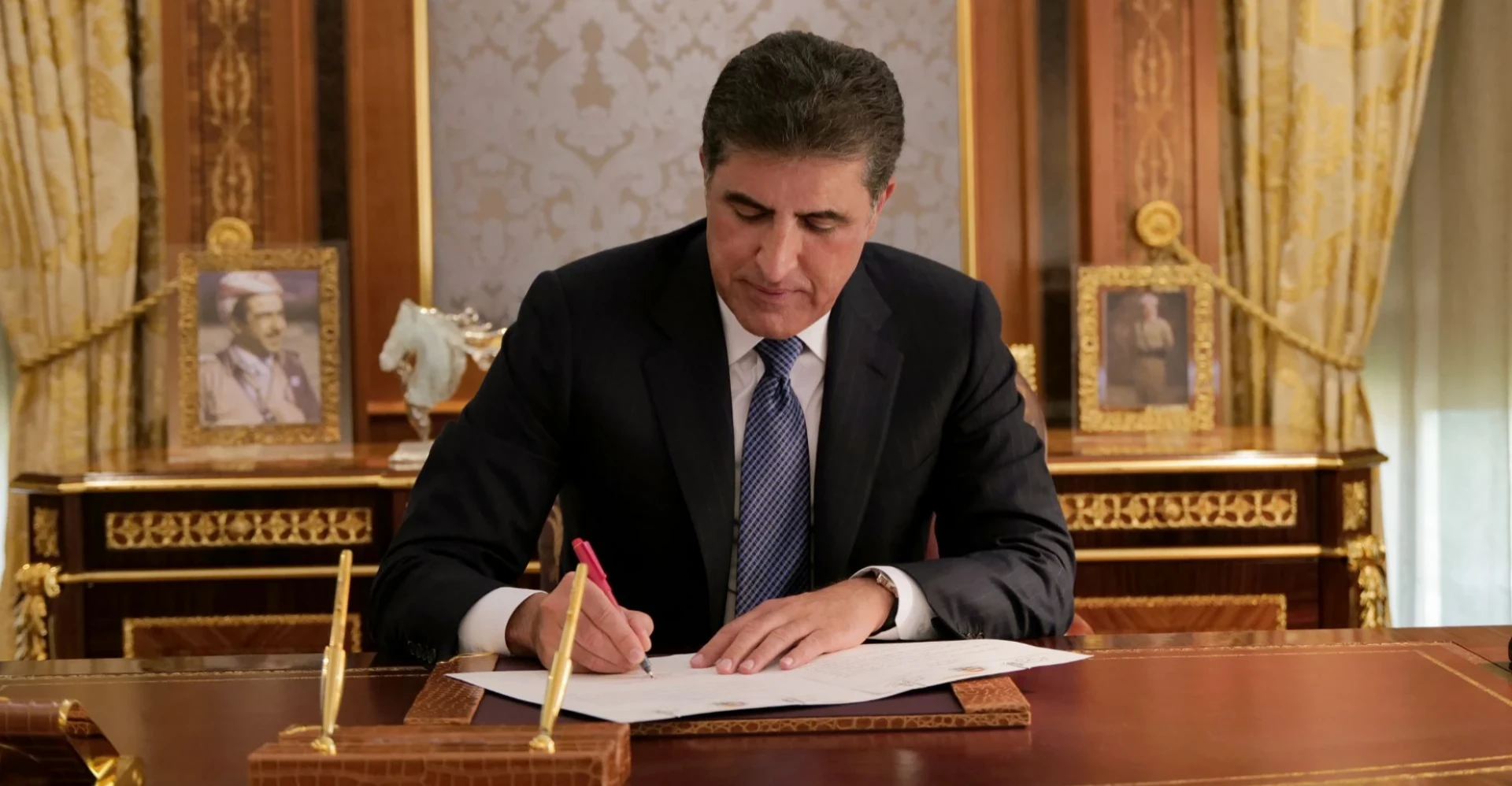
Last year, President Nechirvan Barzani had this to say on the occasion of the 49th Anniversary: “We respectfully and proudly remember the immortal martyrs and all the brave heroes who gave their lives and shed their blood for the cause of freedom in this great uprising.
As a continuation of the historic September Revolution led by the immortal Barzani, the Gulan Revolution stood as a profound and enduring symbol of a people’s will, one that refused to surrender to injustice or occupation. During this revolution, the people of Kurdistan reaffirmed their readiness to make every sacrifice for the protection of their identity and their freedom.”
The legacy of 1976 and the Gulan Revolution continues to shape the Kurdistan Region’s contemporary political landscape, and serves as a reminder of the need for unity in the face of adversity while at the same time working together in the spirit of dialogue and peaceful coexistence. As the Iraqi Kurdistan Region confronts modern challenges, the historical narrative of the Gulan Revolution is invoked as a blueprint for endurance, demonstrating that institutional gains are best safeguarded through the same resilience and clarity of purpose that defined the 1976 uprising.
Lest we forget.