
/file/attachments/orphans/ED_543155_209242.jpg)






















Regional powers coordinate on Libya stability
egypt algeria and tunisia advance unified framework to support political resolution

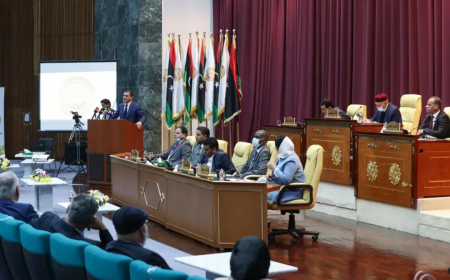
A new phase of diplomacy emerged as Egypt Algeria and Tunisia intensified coordination efforts to stabilize Libya after Cairo meetings. The initiative reflects growing urgency among neighboring states seeking to address political fragmentation and persistent security challenges across Libya today. It also signals renewed regional commitment to shaping a unified diplomatic approach aimed at restoring long term stability nationwide.
During the meetings foreign ministers from Egypt Algeria and Tunisia agreed on a joint framework rejecting all foreign interference in Libya. They emphasized that external military and political involvement continues complicating the crisis while delaying meaningful national reconciliation efforts across Libya. As a result the three countries called for respecting Libya sovereignty while supporting solutions led by Libyan institutions and national actors.
At the same time the mechanism strongly supported implementing the Joint Military Commission five plus five mandate as a crucial step forward. Officials urged immediate and phased withdrawal of all foreign forces and foreign fighters present across Libya to reduce tensions. They argued that reducing external military presence remains essential for creating conditions necessary to achieve sustainable peace and long term security.
In addition the trilateral group reaffirmed support for a comprehensive political process conducted under the auspices of the United Nations. This track aims to unify divided state institutions while preparing groundwork for simultaneous presidential and parliamentary elections across Libya soon. Leaders stressed that credible elections represent a critical milestone toward restoring legitimacy while strengthening governance and stability throughout the country.
Looking ahead the three nations agreed to continue diplomatic coordination through regular consultations while launching joint initiatives supporting Libya political transition. They scheduled the next round of talks in Algiers signaling continued engagement and strong commitment toward advancing diplomatic efforts further. This ongoing coordination highlights a shared understanding that regional cooperation plays a decisive role in shaping Libya future trajectory positively.
Ultimately the mechanism underscores the growing influence of regional actors in managing Libya crisis while supporting a peaceful political resolution process. It demonstrates how neighboring countries increasingly prioritize diplomacy over conflict while seeking sustainable solutions rooted in national ownership principles. As momentum builds these coordinated efforts may significantly contribute toward ending divisions while opening pathways for stability and reconstruction across Libya.
[Source: Almaneesa]