
/file/attachments/orphans/ED_543155_209242.jpg)



















President Nechirvan Barzani and World Environment Day
Michael EJ Phillips
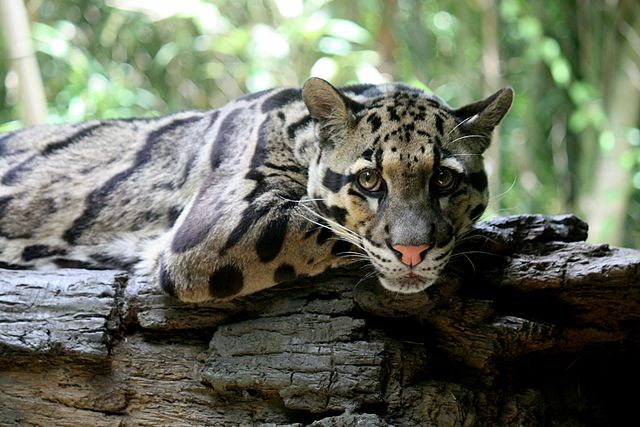
World Environment Day is observed annually on 5 June, and is a vital reminder of our shared duty to safeguard the environment for both present and future generations.
It was established by the United Nations during the Stockholm Conference on the Human Environment, held from 5-16 June 1972 and first held in Switzerland in 1973 with the slogan “Only One Earth”. This year, the main event is taking place in Baku; Azerbaijan is also known for hosting COP29 - the United Nations Climate Change Conference - which was attended by President Nechirvan Barzani.
This year’s theme of “Climate Action” is therefore highly relevant. Across the globe, and increasingly in Iraq, we are experiencing the severe consequences of current climate change: rising temperatures, extreme weather, flash floods, prolonged dry spells, coastal erosion, biodiversity loss, and mounting risks to food and water security.
While Iraq and the Kurdistan Region are endowed with natural wealth, from beautiful nature forests and abundant wildlife to diverse ecosystems, especially in the Kurdistan Region and its mountains, these precious assets are facing intensifying threats from environmental degradation, pollution, deforestation, unsustainable development, and the far-reaching impacts of climate change.
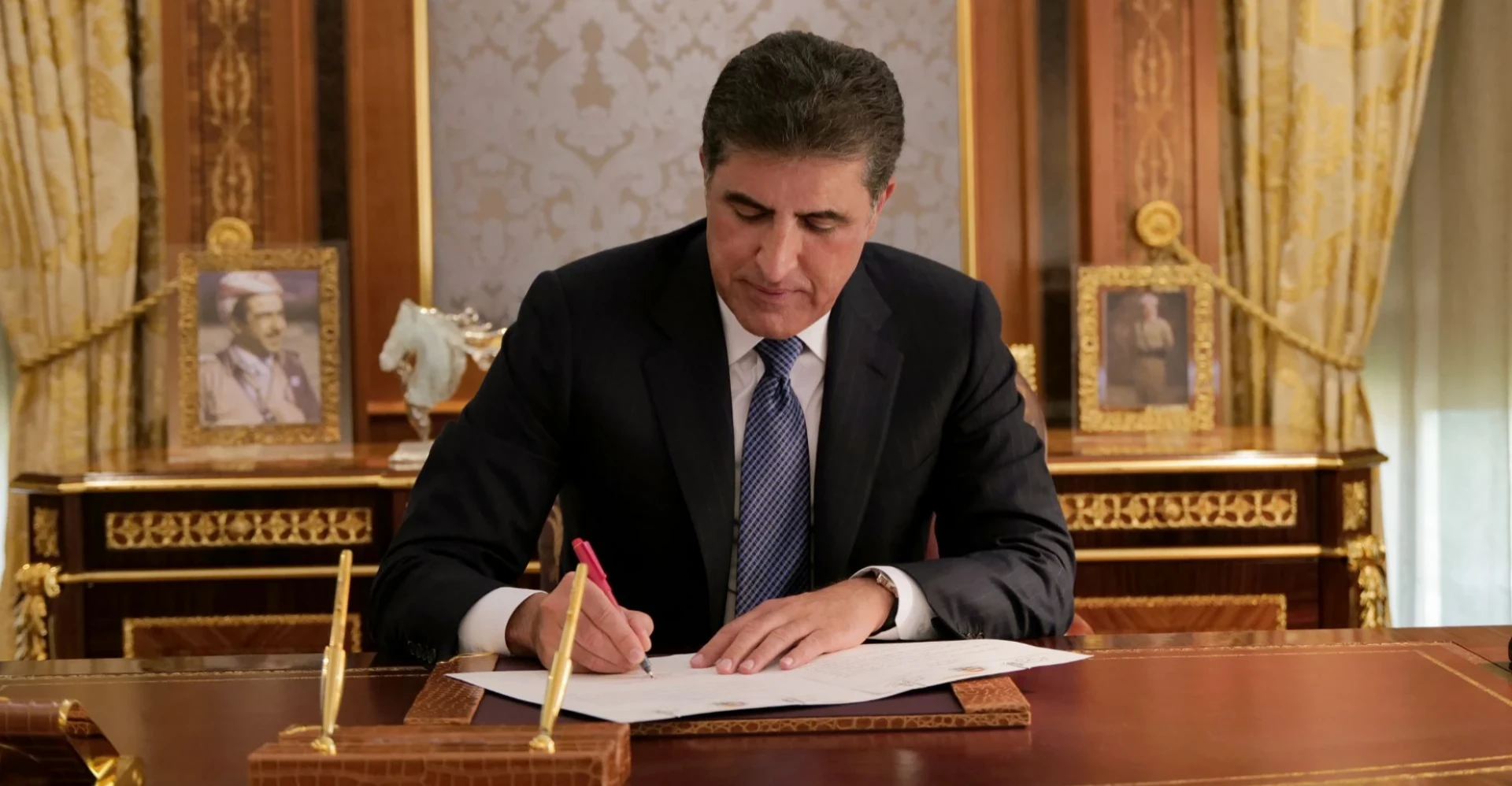
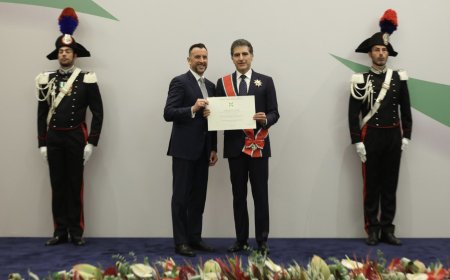
Marking the occasion on Friday, President Nechirvan Barzani maintained as always that safeguarding the environment and confronting climate change is a collective national and human responsibility, rather than solely a task for the government. This follows the general principle that people must understand that protecting the environment is not the duty of governments alone. It demands the active involvement of every individual, community, business, educational institution, and civil society organisations.
He said in a statement on X, “On this World Environment Day, I extend greetings and appreciation to all environmentalists, organisations, and relevant parties in the Kurdistan Region who are sincerely working to protect the nature and beautiful environment of our country. We reaffirm that the Kurdistan Region, as always, remains committed to cooperation and joint action with the Federal Government of Iraq and the international community, in order to take the necessary measures to protect natural resources and ensure a healthy environment and a better future for our coming generations."
Iraq and the Kurdistan Region face several urgent environmental challenges, including: climate change and its effects on public health, livelihoods, and ecosystems; more frequent flash floods and extreme weather events; river and marine pollution, particularly from plastic waste; deforestation and habitat loss that imperil biodiversity and wildlife; illegal dumping and inadequate waste management.
It is important that people come together and act without delay. Strengthening environmental laws and enforcement, expanding conservation initiatives, safeguarding forests and water catchment areas, promoting sustainable development, minimising waste, and adopting greener lifestyles are essential steps forward. Environmental education must also be reinforced at every level to cultivate a generation that respects and cherishes nature.
Each small effort, from cutting down on plastic use, saving energy and water, planting trees, recycling, to supporting sustainable practices, can together create a powerful impact. Let World Environment Day remind us that there is no alternative planet. The decisions we make today will shape the quality of life for the generations to come.
Note: The image illustrating this article of a Sunda clouded leopard was taken from oneearth.org in their information about Borneo Lowland Rainforests - something personal to me. There are Persian leopards in the Kurdistan Region of Iraq. Here is a quotation from their site as to why it was chosen: "About half the primary forests in this ecoregion has been cleared or degraded, with over 1,300 km2 lost annually. Only 8% of the remaining forest is currently protected, leaving the unprotected forests and their wildlife highly vulnerable to oil palm, rubber, paper and pulp plantations, commercial logging, and hunting. The majority of the ecoregion’s flora and fauna is irreplaceable and has adapted to intact forest habitats. They will not survive these changes."