
























Nechirvan Barzani’s vision for a plural Iraq
Dr. Sirwan Abdulkarim Ali - political analyst and academic
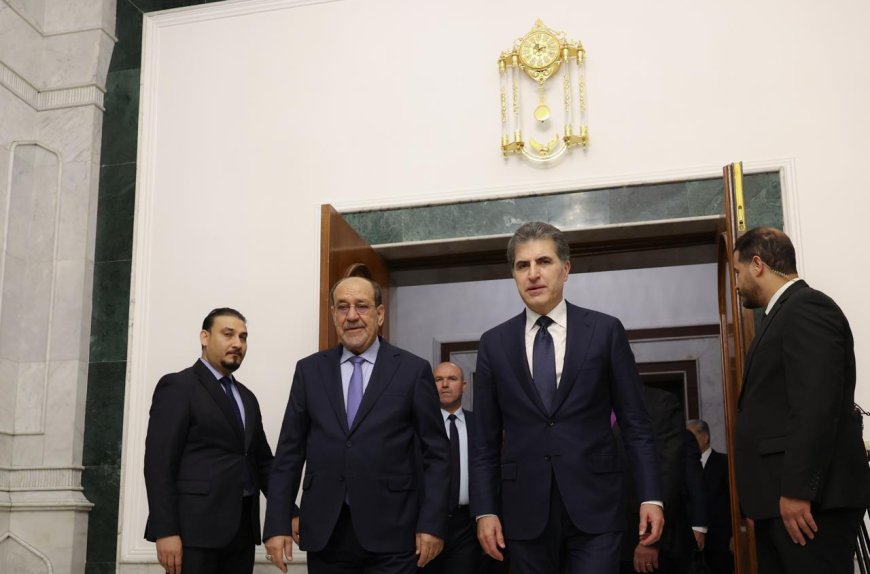
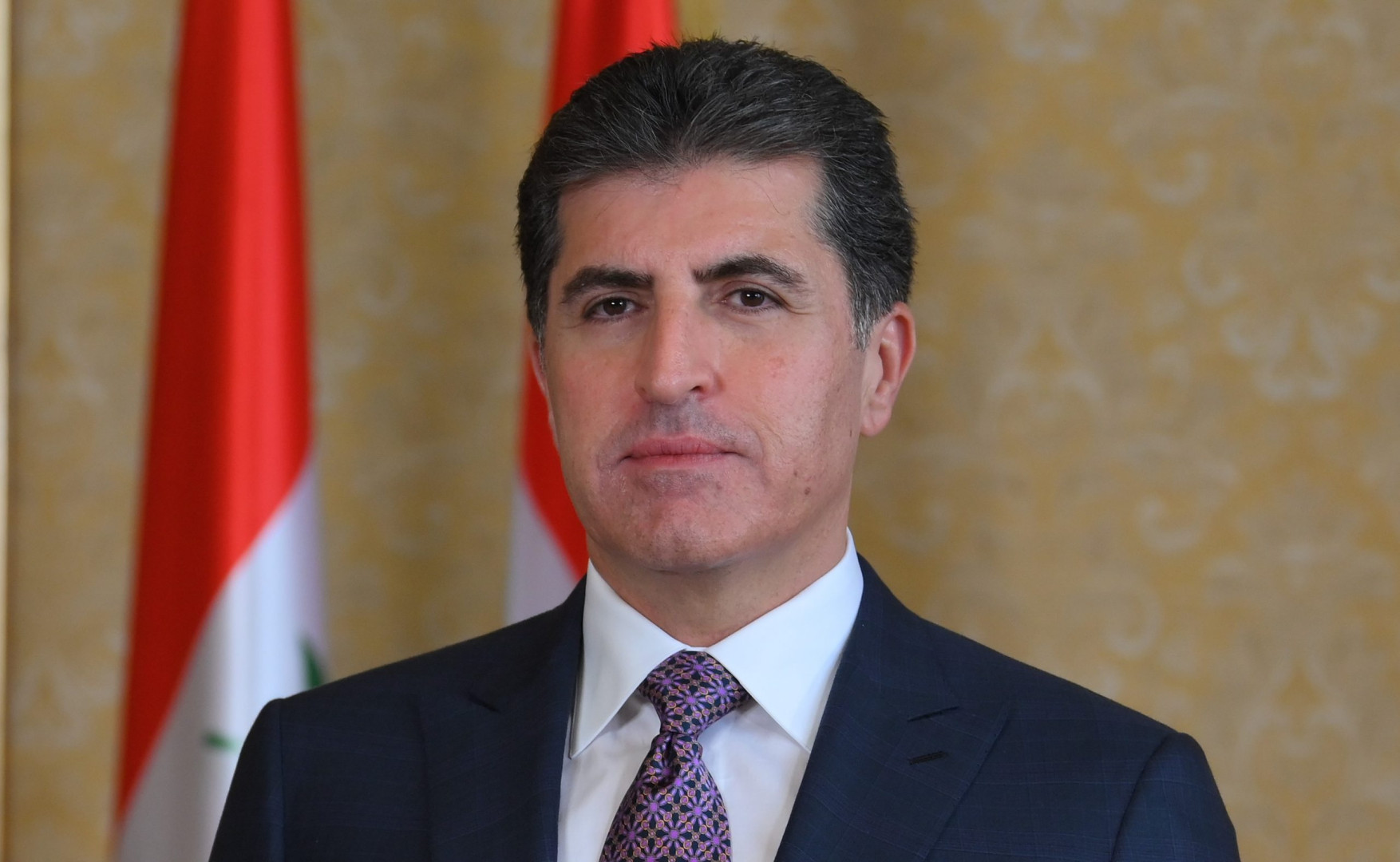
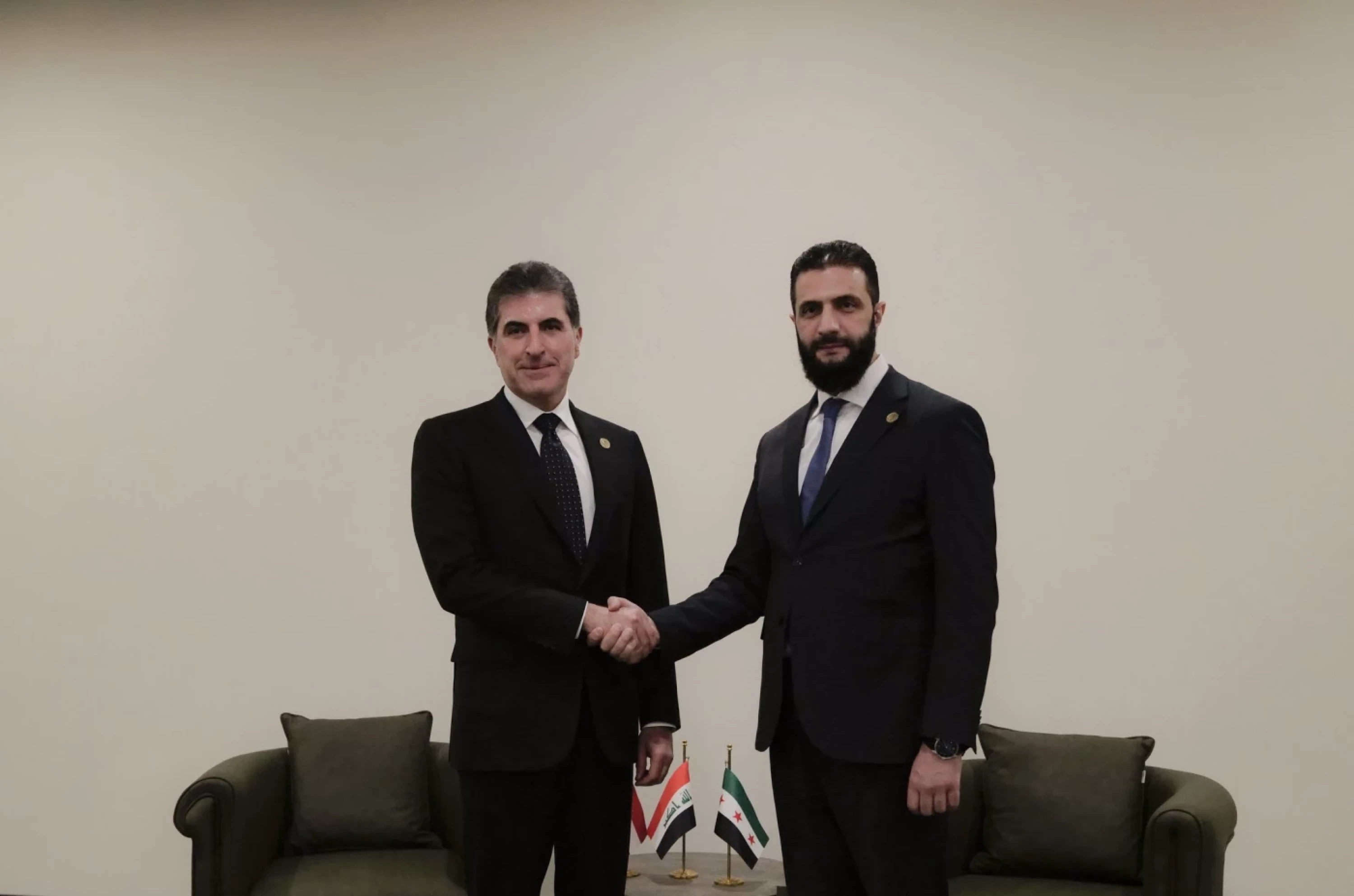
Nechirvan Barzani’s visit to Baghdad today carries significance that extends beyond protocol and routine political engagement. It comes at a time when Iraq continues to face complex challenges requiring dialogue, coordination, and a renewed commitment to constitutional principles. In this context, the visit reflects an approach grounded in partnership rather than confrontation, and in institutional dialogue rather than political escalation. Through his meetings with political leaders in Baghdad, the President of the Kurdistan Region reiterates a consistent position: that outstanding issues between Erbil and Baghdad must be resolved “within the framework of the Constitution and through mutual understanding.” This position does not merely address immediate disputes; it articulates a broader political vision that seeks to stabilise Iraq through cooperation, respect for legal frameworks, and shared responsibility. The visit, therefore, becomes a platform for presenting not only concerns but also a structured set of ideas rooted in the Kurdistan Region's experience.
At the core of this vision lies the concept of coexistence, which has been repeatedly emphasised in official speeches as a defining characteristic of governance in the Kurdistan Region. The President of the Kurdistan Region has stated on multiple occasions that “the Kurdistan Region will remain a model of coexistence and tolerance among all communities.” In bringing this perspective to Baghdad, the emphasis is not on presenting the region as exceptional, but on highlighting practical lessons derived from managing diversity within a complex social structure. Coexistence, in this framework, is not treated as a symbolic value or moral appeal, but as a functional principle that organises relations among different ethnic and religious groups. The experience of the Kurdistan Region, particularly during periods of crisis, including the displacement of large populations from different parts of Iraq, demonstrates that diversity can be accommodated within stable institutional arrangements. As has been noted in official remarks, “embracing all communities in times of hardship reflects the depth of the culture of coexistence,” indicating that this principle is embedded not only in discourse but also in policy and administrative practice.
Closely connected to coexistence is the emphasis on citizenship as the legal and political foundation of the state. The President of the Kurdistan Region has consistently underlined that “equal citizenship is the basis upon which state institutions must be built.” This perspective is particularly relevant in the Iraqi context, where political arrangements have often been influenced by identity-based divisions. By foregrounding citizenship, the discourse shifts attention from communal representation to individual rights within a constitutional system. During the visit to Baghdad, this idea is presented as a necessary step toward strengthening state institutions and ensuring fairness in governance. Citizenship, as articulated in this framework, does not negate diversity but organises it within a legal structure that guarantees equality before the law. The repeated linkage between citizenship and constitutional commitment reinforces the idea that sustainable political solutions depend on adherence to agreed legal frameworks, rather than temporary political arrangements. This approach contributes to redefining national belonging in Iraq as a shared civic identity, grounded in rights and responsibilities.
Within this broader framework, Iraqi unity is addressed not as an abstract ideal, but as a practical outcome of federal partnership. The President of the Kurdistan Region has emphasised that “the stability of Iraq depends on cooperation and coordination among all its components,” underscoring the importance of federalism as a mechanism for managing diversity. This visit to Baghdad provides an opportunity to reaffirm that the relationship between the federal government and the Kurdistan Region must be based on partnership, respect for constitutional provisions, and the implementation of mutual agreements. Federalism, in this sense, is not viewed as a temporary arrangement but as a structural solution that allows for both regional autonomy and national cohesion. The insistence on resolving issues through dialogue reflects an understanding that unity cannot be sustained through centralisation alone but requires a balanced distribution of authority. By presenting these ideas in Baghdad, the President of the Kurdistan Region contributes to ongoing discussions about how to maintain the integrity of the Iraqi state while accommodating its internal diversity.
In conclusion, the visit to Baghdad can be understood as an effort to translate a coherent political vision into actionable dialogue with federal authorities and political actors. The ideas presented, coexistence as a governing principle, citizenship as a legal foundation, and federalism as a framework for unity, form an integrated approach to addressing Iraq’s current challenges. As the President of the Kurdistan Region has indicated, “coexistence has become a great strength in Kurdistan,” suggesting that the region's experience offers practical insights to inform national policy. The message conveyed during this visit is that Iraq’s stability depends not on reducing its diversity, but on organising it within inclusive institutions and constitutional mechanisms. For political actors in Baghdad, engaging with these proposals represents an opportunity to move toward a more stable and cooperative model of governance, one that aligns with the realities of Iraqi society and the requirements of long-term nation-building.