

/file/attachments/orphans/ED_543155_209242.jpg)
























Princess Diana: 'People’s Princess' and the politics of empathy
Dr. Sirwan Abdulkarim Ali - political analyst and academic
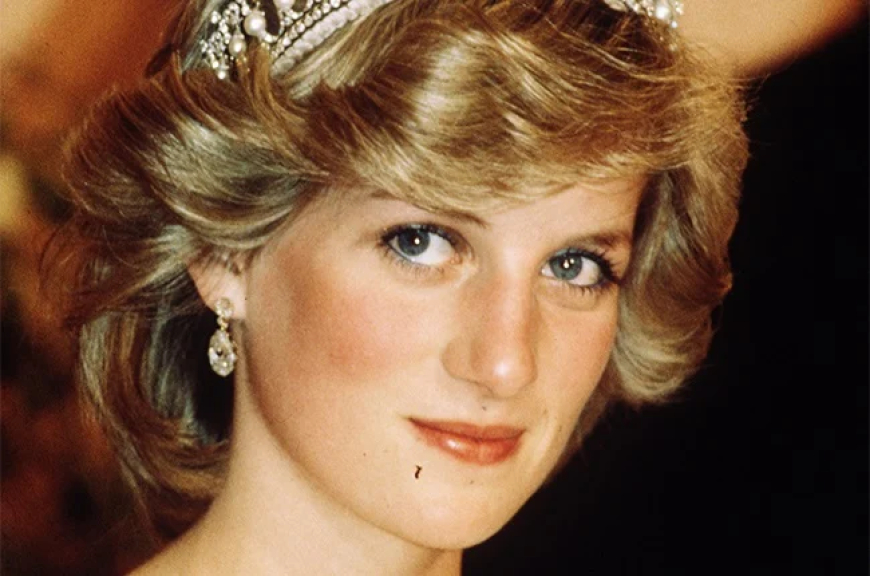
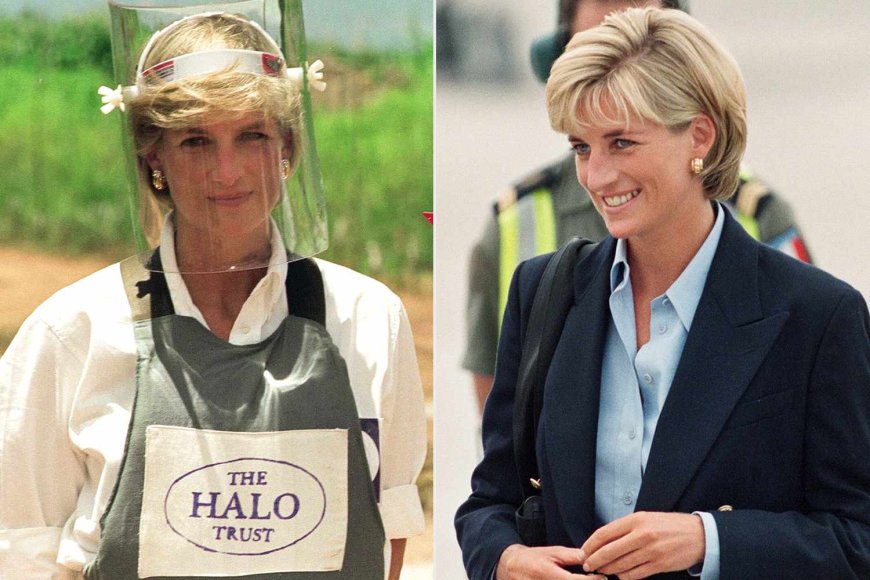
For many of us who first encountered Princess Diana as teenagers, admiration quickly evolved into something deeper: a sense that she was not simply a royal figure, but a human presence within an institution often defined by distance. She appeared at a moment when the image of monarchy still relied heavily on protocol and emotional restraint, yet she introduced a different register; one grounded in sincerity, vulnerability, and direct engagement with people. This is why ordinary individuals, far removed from royal life, felt an unusual closeness to her; she did not perform empathy, she enacted it.
Her life unfolded in constant tension with the expectations surrounding her role, particularly within the framework that now continues under King Charles III. While the monarchy has traditionally preserved authority through continuity and discipline, Diana shifted attention toward lived human realities. Her humanitarian work, especially with victims of landmines and patients stigmatized by AIDS, was not symbolic but tactile and immediate. At a time when fear and misunderstanding dominated public attitudes, her willingness to touch, listen, and stand alongside marginalized individuals repositioned her from a ceremonial figure to a moral one, subtly redefining what public responsibility could look like.
She was noted for her humanitarian work.
The global reaction to her death on August 31, 1997 confirmed the depth of this transformation. The spontaneous mourning outside Kensington Palace and across the world reflected not only grief but identification; people were not simply mourning a princess, they were mourning someone they felt represented them. The shock was intensified by the perception that the same media system that elevated her had also contributed to the conditions surrounding her death, creating a lasting narrative of loss shaped by both admiration and unease.
Over time, Diana’s image has been continually reconstructed through cultural production, ensuring that her presence remains active rather than historical. Films such as The Queen and Spencer, along with the series The Crown, have revisited her life not merely to document it but to reinterpret it for new audiences. These works reinforce her position as a symbolic figure through whom questions of power, media ethics, and institutional legitimacy are negotiated. She emerges in these narratives as both a participant in and a critique of the system that shaped her.
From a personal and cultural standpoint, there is a certain satisfaction in seeing her legacy continue to provoke reflection, even to the extent that public voices call on the monarchy to reconsider past decisions and reassess its relationship with the values she embodied. Rather than diminishing the institution, such reflection arguably strengthens it, as it acknowledges that one of its most influential figures expanded its moral and emotional reach. Diana came to represent not only compassion and humanitarian commitment, but also a broader ideal of women’s agency and freedom within Western culture. Her legacy endures because she bridged a rare space between; authority and empathy, visibility and vulnerability; and in doing so, she redefined what it means for power to be human.