




























United States approves major arms package amid rising regional tensions
Multibillion-dollar deal underscores strategic alliances and signals continued military support for key partners in volatile regions
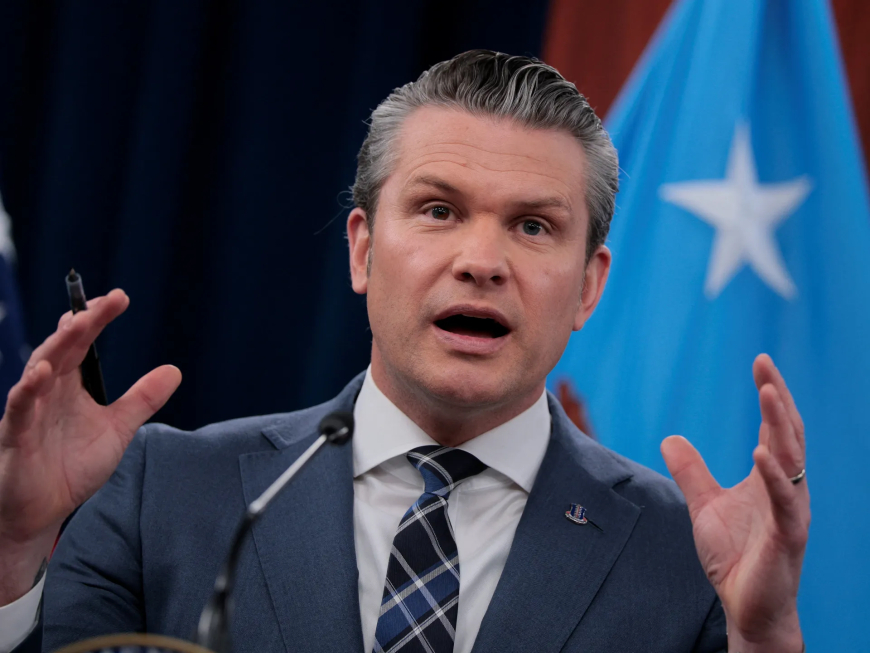
The United States approved arms sales exceeding 8.6 billion dollars, signaling strengthened defense ties and strategic commitments in volatile regions. Officials emphasized the deal reinforces partnerships while addressing emerging threats, particularly as geopolitical tensions continue to rise across several critical global theaters. Moreover, the package includes advanced weapons systems, logistical support, and training programs designed to enhance operational readiness among allied military forces.
According to defense authorities, the agreement reflects a broader effort to deter aggression while maintaining stability through coordinated security cooperation initiatives. Furthermore, policymakers highlighted the importance of equipping partners with modern capabilities to respond effectively to evolving threats and complex battlefield environments. The decision comes amid heightened concerns about regional conflicts, where rival powers continue to compete for influence and strategic advantage.
In addition, analysts noted that such arms deals often serve dual purposes, strengthening alliances while signaling deterrence toward potential adversaries. At the same time, critics raised concerns about the potential escalation of conflicts, arguing that increased arms flows could intensify existing tensions. Nevertheless, supporters argued that strong defense partnerships reduce risks by promoting balance and discouraging unilateral military actions by hostile actors.
Officials also pointed out that the agreement aligns with longstanding security frameworks that prioritize cooperation, intelligence sharing, and joint operational planning. Meanwhile, lawmakers continue to debate oversight measures, ensuring that arms transfers comply with legal standards and broader foreign policy objectives. In this context, the administration stressed that it carefully evaluated the transaction to balance security needs with regional stability considerations.
Additionally, defense experts observed that modern military systems require sustained support, including maintenance, training, and technical integration across allied forces. As a result, the agreement extends beyond equipment delivery, encompassing long-term collaboration between defense institutions and military personnel. Furthermore, the deal reflects ongoing adjustments in global defense strategies, where alliances play an increasingly central role in maintaining deterrence.
Observers also noted that such agreements often influence diplomatic dynamics, shaping negotiations and reinforcing strategic alignments across regions. Despite differing views, the approval underscores the United States’ commitment to maintaining a strong presence in key security partnerships worldwide. Looking ahead, analysts expect further discussions on defense cooperation, especially as global uncertainties continue to drive demand for military preparedness.
Ultimately, the arms package highlights the intersection of diplomacy and defense, where strategic decisions carry implications for both regional and global stability.
[Source: DefenceIIQ]