



























Israeli forces strike Hezbollah as Saudi Arabia prepares Yemen offensive
Houthi leaders deny Red Sea transit fee reports while regional armies mobilize troops
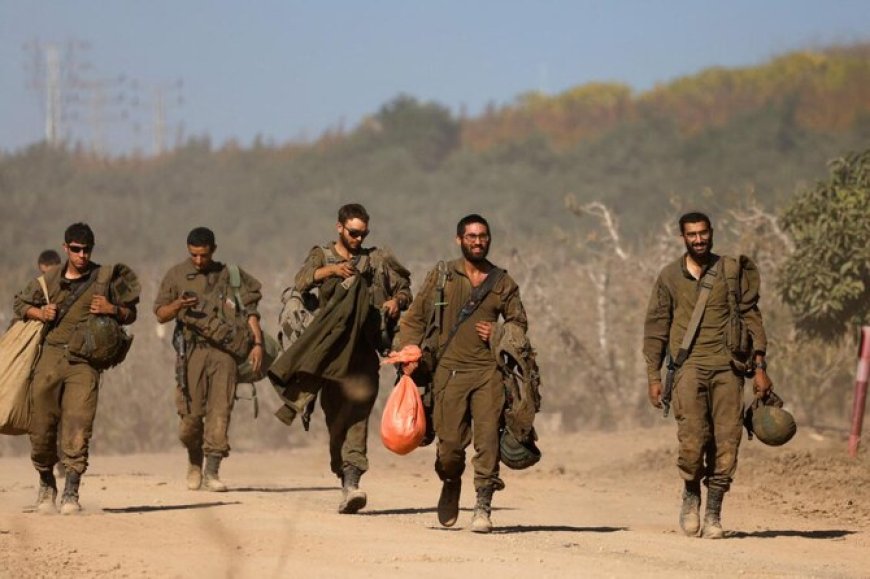
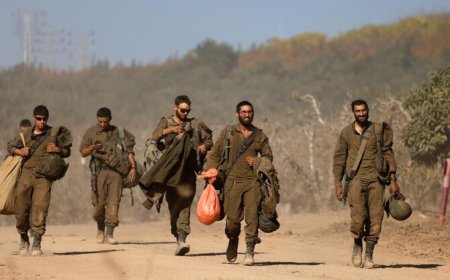
Israeli forces conducted an overnight military operation inside southern Lebanon to target active combatants within a designated security buffer zone. Consequently, military officers confirmed that several Hezbollah fighters died during intense direct armed engagements throughout the strategic border territory. Meanwhile, regional security analysts highlighted how these ongoing local skirmishes threaten to dismantle fragile diplomatic peace agreements throughout southern Lebanon.
Specifically, army commanders designated a wide security zone along the northern border to neutralize immediate aerial missile and drone threats. Furthermore, special ground infantry forces conducted targeted night strikes to eliminate hidden weapons depots and fortified underground command centers. In response, Hezbollah fighters launched several heavy retaliatory rocket volleys toward strategic military posts across northern communities inside Israel today.
Simultaneously, military developments accelerated across the Arabian Peninsula as regional armed forces prepared for potential new ground and sea battles. Specifically, Saudi Arabia concentrated massive military forces along strategic forward positions to prepare for a major offensive in central Yemen. Consequently, intelligence observers reported heavy troop movements, armored combat vehicles, and naval warship deployments surrounding key coastal sectors near Yemen.
Meanwhile, persistent international news reports suggested that armed Houthi insurgents planned to impose heavy transit fees on commercial shipping vessels. However, senior Houthi officials firmly denied these reports during official public broadcasts to reassure international maritime trade executives and diplomats. Additionally, Houthi spokesperson statements emphasized that merchant ships maintain complete freedom of navigation through the critical Red Sea shipping corridors.
Indeed, major global shipping companies monitor these vital waterways constantly because sudden disruptions dramatically raise global cargo transit insurance costs. Therefore, international naval task forces continue patrolling key strategic routes to protect commercial vessels against potential regional maritime drone attacks. Furthermore, diplomatic envoys work tirelessly behind closed doors to prevent expanding conflicts from threatening essential international crude energy supply lines.
Meanwhile, governments across the Middle East maintain heightened military readiness as multiple concurrent security crisis points demand constant vigilant monitoring. Specifically, political analysts caution that military actions in southern Lebanon could trigger broader military responses throughout neighboring regional sovereign territories. Likewise, sudden military escalations in Yemen threaten to destabilize ongoing fragile regional peace negotiations among neighboring wealthy Gulf sovereign countries.
Ultimately, international observers advocate for urgent diplomatic engagement to avert destructive widespread armed confrontations throughout these highly volatile regional nations. Consequently, defense leaders closely watch ongoing troop movements and strategic border security developments during this critical historical regional political moment. In conclusion, achieving durable stability across the Middle East requires sustained international diplomatic leadership alongside genuine constructive regional security cooperation.
[Source: The Guardian]