























Iraqi armies invade Kuwait in massive regional conflict
Global leaders unite rapidly to oppose aggressive military actions in the Middle East
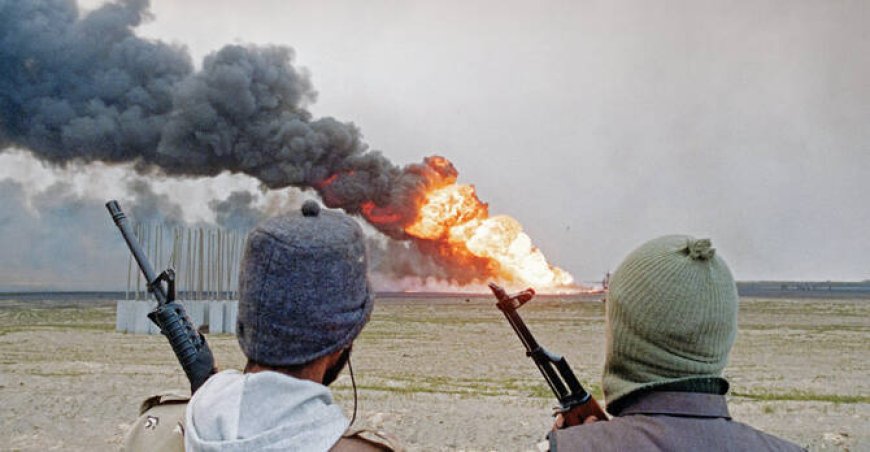
Iraqi troops suddenly crossed the border into Kuwait early Thursday morning to capture key strategic locations across the entire country. Consequently, heavy military armor advanced rapidly toward the capital city while local defense forces tried to assemble a strong counteroffensive. Furthermore, this massive offensive instantly reshaped political alliances and created an urgent security crisis across the entire Middle East region.
Meanwhile, President Saddam Hussein justified the unexpected military assault by alleging economic disputes over valuable oil fields near shared borders. Additionally, Iraqi leaders claimed that historical territory rights always belonged to their nation because of disputed Western colonial boundary decisions. However, international observers rejected these claims swiftly and denounced the sudden invasion as an aggressive illegal act of regional war.
Therefore, global leaders convened official emergency sessions at the United Nations Security Council to address the rapidly developing regional crisis. Subsequently, diplomats passed Resolution 660 demanding that Iraqi troops withdraw immediately from all occupied territory without any preliminary political conditions. In response, world powers imposed strict economic sanctions on Iraq to pressure its military government into full diplomatic international compliance.
Meanwhile, neighboring countries expressed extreme alarm as foreign military forces rapidly gathered near vulnerable borders in the Middle East region. Specifically, Saudi Arabia requested immediate defensive assistance from international allies to secure its vital energy infrastructure against potential military strikes. Consequently, President George Bush ordered American military forces to deploy very quickly to protect vital regional security and political stability.
As a result, a massive global multinational coalition joined together under a unified command structure to prepare for combat operations. Furthermore, defense ministers deployed hundreds of thousands of combat troops, aircraft, and heavy warships to strategic theater forward military bases. Eventually, this huge defensive buildup established Operation Desert Shield to deter further armed expansion by hostile Iraqi command military forces.
Meanwhile, diplomatic negotiations continued for several months as negotiators attempted to find a peaceful resolution to the tense international standoff. However, Iraqi authorities repeatedly ignored clear international deadlines and refused to pull their forces back from key conquered city positions. Therefore, global leaders set a strict final departure deadline to avoid a broad military intervention by united allied coalition forces.
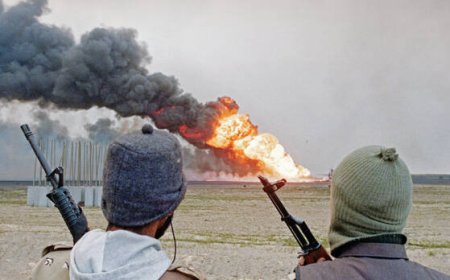
Ultimately, the stubborn refusal of Iraqi leaders led directly to the active commencement of Operation Desert Storm in early 1991. Consequently, intense air strikes and ground operations successfully liberated Kuwait after weeks of heavy combat throughout the entire regional territory. In conclusion, this historic regional invasion permanently transformed global politics and reshaped international security dynamics for future decades to come.
[Source: Arab News Japan]