



/file/attachments/orphans/Nonku-Nombasa-Mapisa3_550805.jpg)


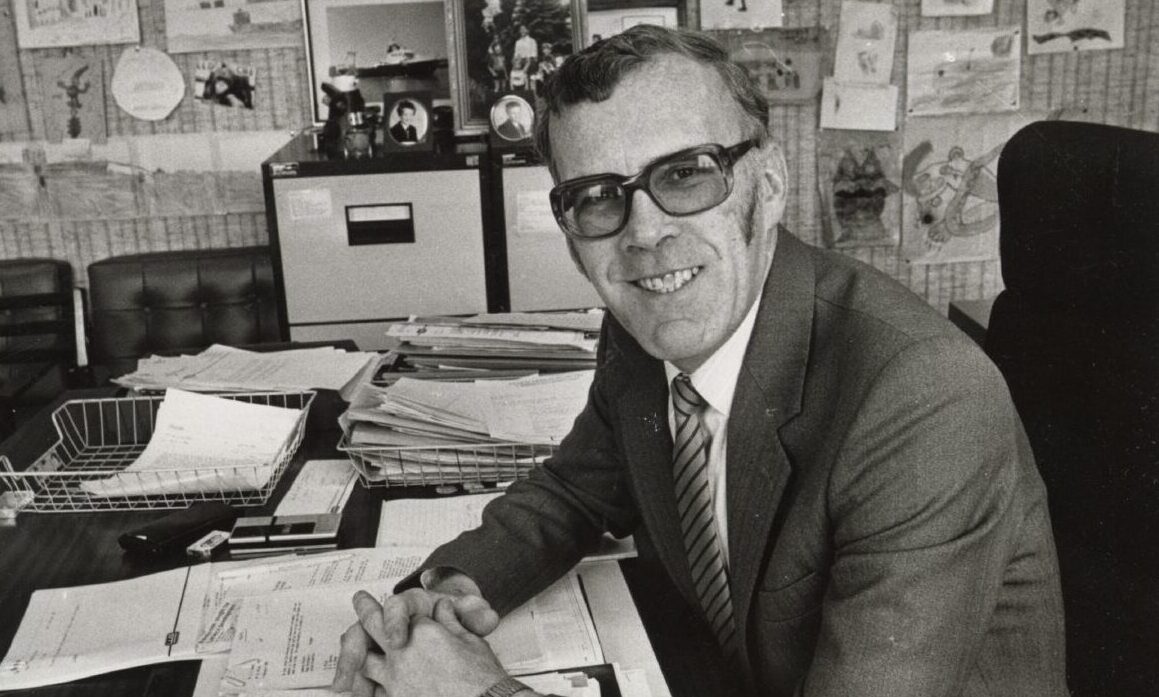









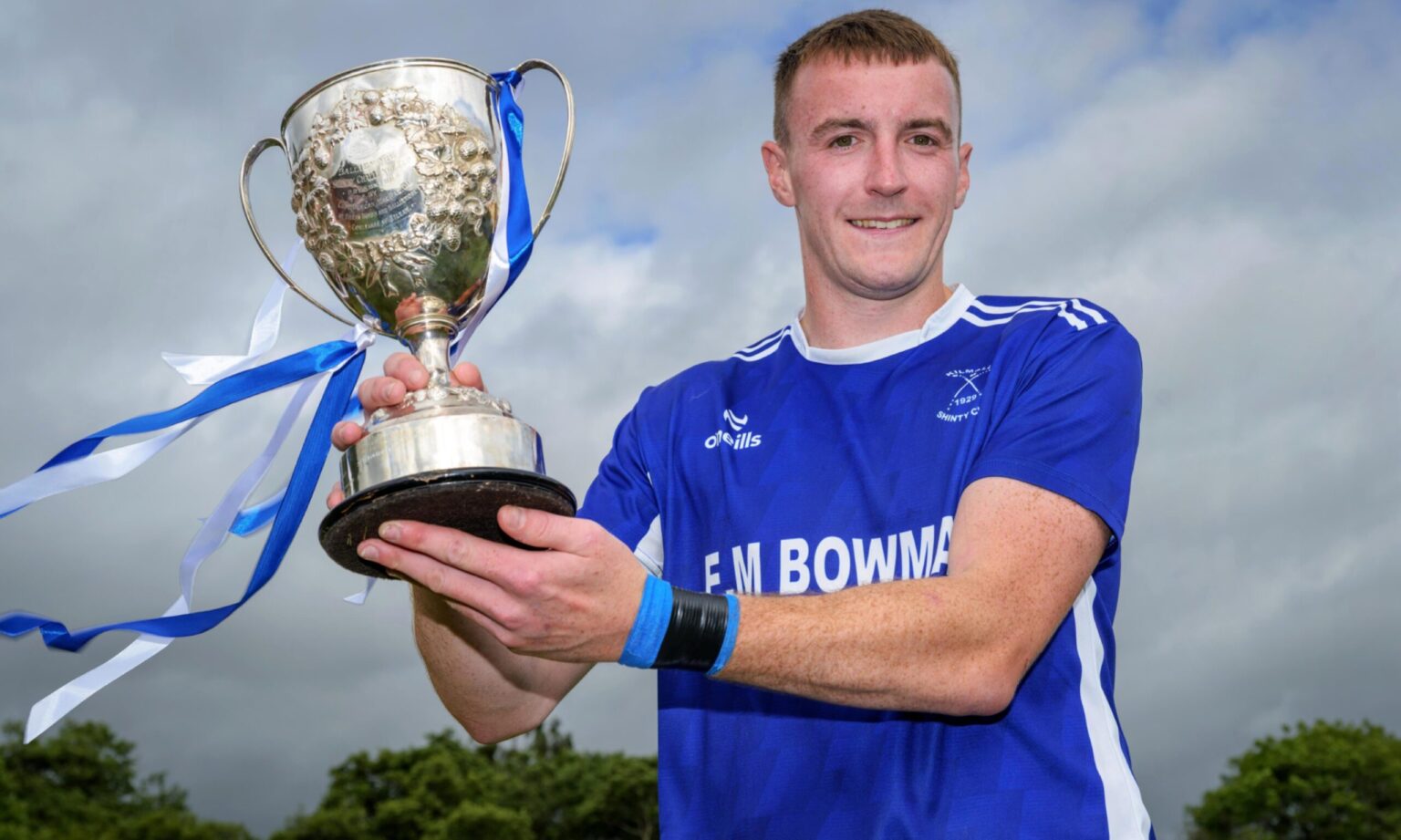






Calvin Hayes, member of 1980s pop trio Johnny Hates Jazz, behind hits including Shattered Dreams
Hayes had music in the blood as the son of celebrated producer Mickie Most, who had overseen records by the Animals, Lulu and Suzi Quatro

Calvin Hayes, who has died suddenly aged 63, was a founding member of the British pop trio Johnny Hates Jazz (JHJ), which enjoyed worldwide chart success in the late 1980s with hits including Shattered Dreams and Turn Back the Clock.
All three members of the band came of musical stock. Hayes, who played keyboards and co-produced, was the son of the celebrated producer Mickie Most, who had overseen records by everyone from the Animals through Lulu to Suzi Quatro.
The vocalist, Clark Datchler, meanwhile, who wrote many of JHJ’s songs, had a father, Fred, who had been in the first British group to top the charts, The Stargazers (previous chart-toppers had been by Americans). The American mother of bassist and producer Mike Nocito, meanwhile, had sung for US troops in Europe.
Hayes and Datchler had been in the band Hot Club together, with the former Sex Pistols guitarist Glen Matlock. They reconnected some years later when Datchler was employed to write songs for Most’s fading RAK label, where Hayes was the A&R talent scout. Its studio employed Nocito, an engineer who had worked with the Police and Duran Duran.
The three put together a single, Me and My Foolish Heart (1986). The inspiration for the band’s name came when Nocito’s brother-in-law broke a Dave Brubeck record at a party, prompting the wife of their friend Phil Thornalley to quip: “Johnny Hates Jazz.”
Hayes claimed to have discovered the band, before revealing to his father who they really were. The single flopped, but he was able to arrange a show for other A&R scouts, deliberately choosing the jazz venue Ronnie Scott’s. The group signed with Virgin.
Their second single, the catchy Shattered Dreams, took time to climb the UK charts in early 1987 but eventually reached No 5. (On hearing it, Mickie Most had said he would stand naked in the window of Selfridges in Oxford Street if it became a hit. He reneged on his pledge.)
The record would do even better in America when released there the following year, getting to No 2. This was in part thanks to a classy-looking video shot by David Fincher, yet to make his name directing films such as Seven and Fight Club.
US audiences took to the band’s slick, besuited image, which reflected the sophisticated aspirations JHJ had for their synthesiser-based music. In Asia and Europe, where they also had a large following, it was compared to that of Steely Dan.
Many British critics found much of it bland rather than subtle, however, and the group later reflected they had tasted success just as tastes shifted from the electronic bands that had defined the Eighties to the leerier sounds of “Madchester”.
Nonetheless, their debut album, Turn Back the Clock (1988), which they largely produced themselves at short notice, went in at No 1 and sold 4 million copies.
They released three more singles. Heart of Gold reached the Top 20, the anti-war song I Don’t Want to Be a Hero got to No 11, while Turn Back the Clock itself came in a place lower. It featured a performance by Kim Wilde, a family friend of Hayes; they were said at the time to be dating. He had previously played drums in her touring band when she burst on to the scene with Kids in America (1981).
While the band had been making the album, however, Datchler had announced his intention to leave, reportedly irked by differences between his vision for their music and that of the others.
This inevitability sapped the group’s momentum. Hayes and Nocito carried on, recruiting their friend Thornalley, who had been a touring bassist with The Cure, for a follow-up LP, Tall Stories.
The release of this had to be postponed until 1992, however, after a serious car accident the previous year left Hayes in a body cast for 12 months and requiring long-term rehabilitation. As it was, the album attracted little notice and the trio went their separate ways.
One of three children of Mickie Most and his wife Christina, Calvin Hayes was born in London on November 27 1962. He claimed to have learned to read from record labels and quickly developed a passion for music. He could soon play the piano and drums and by his teens was in local bands.
Following JHJ’s split, Datchler released solo albums, while Nocito went on to write Katrina and the Waves’s 1997 Eurovision-winning song Love Shine a Light (not to be outdone, Thornalley co-wrote Torn for Natalie Imbruglia). Then in 2009, the founding trio decided to get together again and record another album.
Hayes found the strain of live performance too great, however, and quit before the LP was made. He settled in Spokane, Washington, where he taught music.
He is survived by his wife, Kathy.
Calvin Hayes, born November 27 1962, died July 9 2026
[Source: Daily Telegraph]







/file/attachments/orphans/ED_543155_209242.jpg)
