


/file/attachments/orphans/Nonku-Nombasa-Mapisa3_550805.jpg)





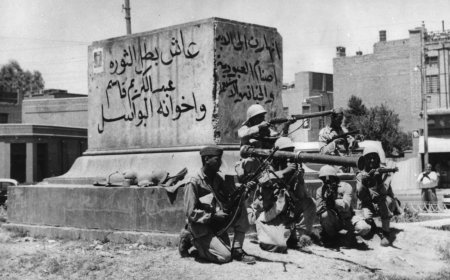



















Independence of Vanuatu marks historic transition
Nation emerges from British and French administration into sovereignty
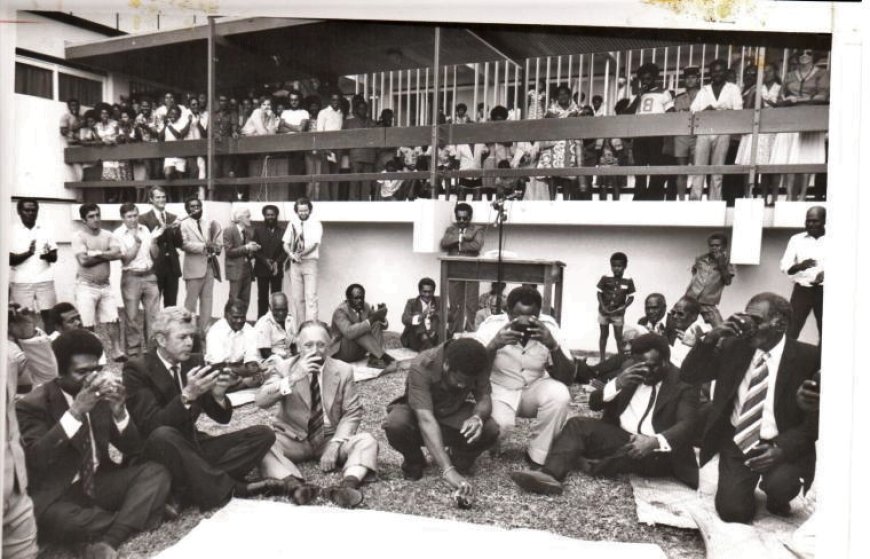
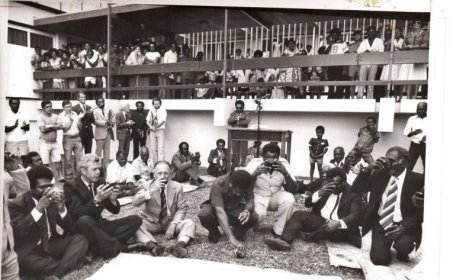
On July 30 1980 Vanuatu achieved independence marking a historic transition from joint British and French administration to sovereign nationhood. The moment carried profound significance for politics and decolonization movements while affirming indigenous aspirations for self determination across the islands. Leaders held ceremonies in capital Port Vila as communities gathered, celebrating unity and anticipating a future guided by local governance.
Previously condominium arrangement divided authority between British and French officials creating complex governance structures that frustrated local participation and development. However nationalist leaders built momentum through organizing, education, and negotiation, thereby uniting diverse island communities behind a shared independence vision. Consequently attention increased as regional partners and institutions supported a peaceful transition while monitoring administrative changes and electoral preparations closely.
On independence day a constitution took effect establishing democratic institutions and clarifying powers among branches while affirming rights for citizens. Moreover elected representatives assumed responsibilities for policy, budgeting, and diplomacy, which required coordination across islands with resources and infrastructure levels. At time security services and administration adapted procedures, ensuring continuity while transferring authority from departing colonial offices to national ministries.
Economically government prioritized agriculture, fisheries, and tourism, to diversify income sources while investing in education, health, and transport across communities. Furthermore partnerships with states expanded trade opportunities and support, helping local businesses scale production and integrate into regional markets time. Meanwhile cultural efforts gained prominence as communities promoted languages, arts, traditions, strengthening national identity fostering cohesion across island groups nationwide.
Diplomatically Vanuatu joined international organizations and asserted positions on issues, advocating nonalignment, environmental protection, and peaceful cooperation among Pacific neighbors. leaders emphasized nuclear free policies and ocean stewardship, reflecting priorities with other South Pacific states confronting climate risks and pressures. As a result country built voice in forums while balancing development goals with conservation commitments and welfare priorities at home.
Today anniversaries commemorate independence with ceremonies, educational programs, and discussions, reminding generations of sacrifices and perseverance that enabled self governance. Nevertheless challenges persist dispersion, infrastructure gaps, and exposure to cyclones, which require resilient planning, investment, and cooperation for sustainable progress. Ultimately the legacy of 1980 continues to guide direction as citizens engage democratic processes and pursue inclusive growth across islands.
[Source: ANU Archives]





/file/attachments/orphans/ED_543155_209242.jpg)
