

/file/attachments/orphans/ED_543155_209242.jpg)



















Saur Revolution Overthrows Afghan Government and Ignites Decades of Conflict
Violent 1978 coup in Kabul reshaped Afghanistan’s political direction and deepened Cold War tensions across the region
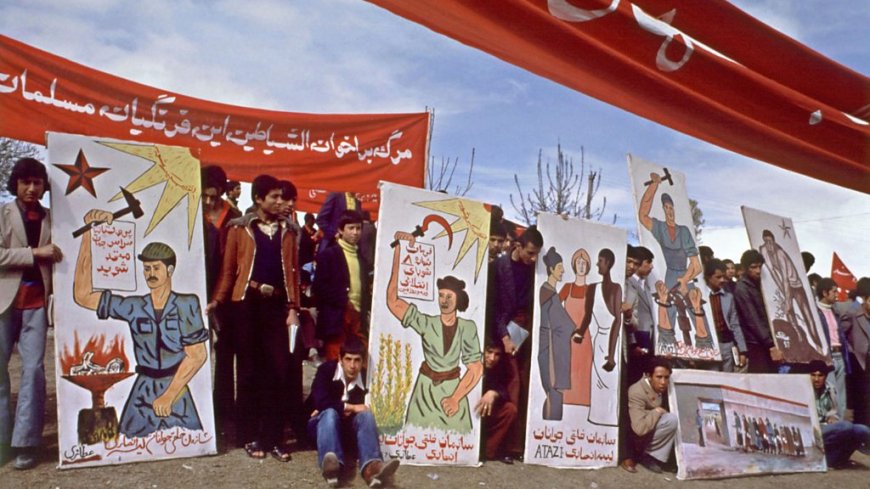
On April 27, 1978, the Saur Revolution erupted in Kabul, toppling the government and transforming Afghanistan’s political trajectory for decades. The uprising, led by the People's Democratic Party of Afghanistan, targeted President Mohammed Daoud Khan, whose rule faced mounting opposition nationwide.
Although Daoud seized power earlier in 1973, his increasingly authoritarian leadership alienated both Islamist groups and leftist factions across Afghanistan’s diverse society. Moreover, political tensions intensified following the assassination of Mir Akbar Khyber, which galvanized opposition forces and unified rival factions within the PDPA rapidly.
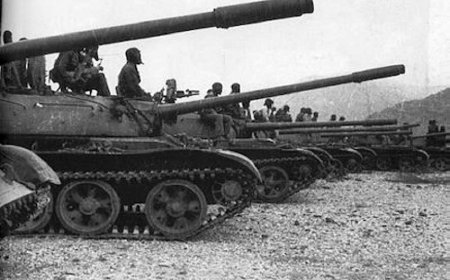
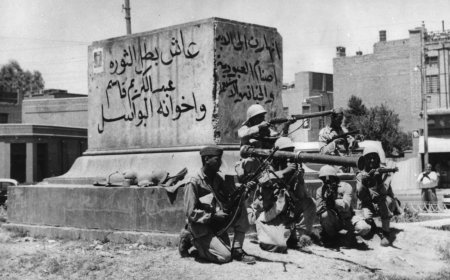
Consequently, party members feared imminent arrests, so they coordinated a preemptive military response by mobilizing loyal officers within Afghanistan’s armed forces decisively. On April 27, tanks and aircraft aligned with the PDPA launched coordinated attacks on the presidential palace, known as the Arg, triggering intense urban combat.
As fighting escalated, air strikes and artillery fire caused widespread destruction, while casualties mounted rapidly among both civilians and military personnel throughout Kabul. By the early hours of April 28, forces loyal to the coup executed Daoud Khan along with members of his family, ending his rule abruptly.
Soon afterward, the PDPA consolidated control over Kabul and declared the establishment of the Democratic Republic of Afghanistan under new revolutionary leadership. Party leader Nur Muhammad Taraki assumed power, while Hafizullah Amin took a senior leadership role within the new governing structure.
Following the takeover, the government introduced sweeping reforms, including land redistribution, expanded education initiatives, and policies aimed at advancing women’s rights nationwide. However, these rapid changes disrupted traditional social structures, especially in rural areas, where conservative communities resisted the government’s policies strongly and persistently.
At the same time, authorities enforced strict crackdowns on dissent, conducting arrests and purges that intensified fear and resentment among the population significantly. As opposition grew, insurgent movements emerged across the countryside, leading to widespread unrest and escalating violence that destabilized the country further.
Meanwhile, the government strengthened ties with the Soviet Union, aligning Afghanistan more closely with communist bloc politics during the Cold War era. Eventually, rising instability prompted the Soviet intervention in Afghanistan, which transformed internal conflict into a prolonged international war.
Therefore, the Saur Revolution marked a decisive turning point, initiating decades of warfare, foreign involvement, and humanitarian crises across Afghanistan and neighboring regions. Today, historians regard the revolution as a critical moment that reshaped Afghanistan’s modern history and influenced broader geopolitical dynamics throughout the late twentieth century.
[Source: Marefa.org]