



/file/attachments/orphans/ED_543155_209242.jpg)






















German Invasion of Yugoslavia Reshaped Balkans During World War II
Swift Axis campaign dismantled a fragile state and ignited years of resistance across the region
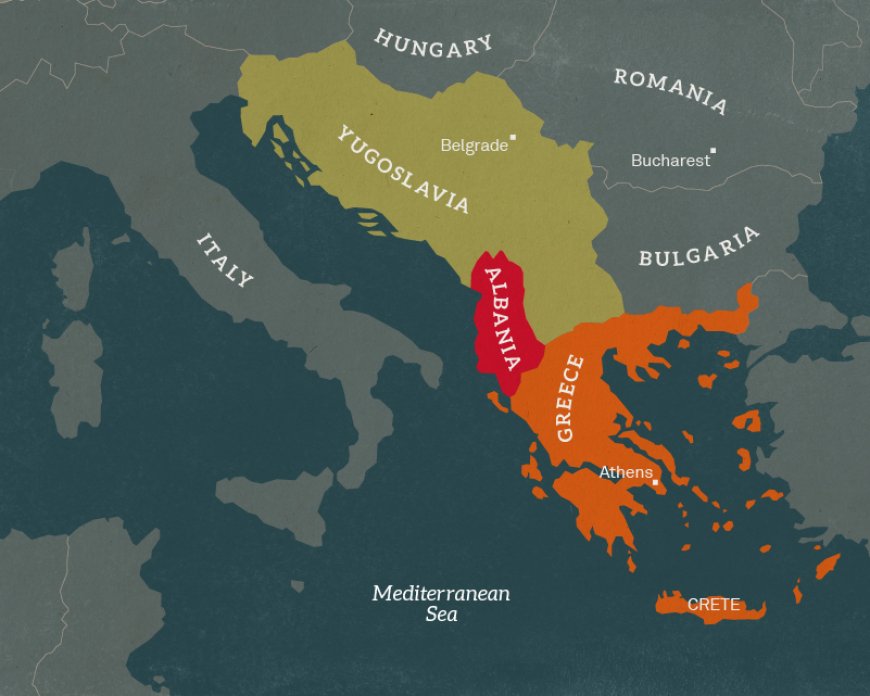
In April 1941, Nazi Germany led a rapid invasion of Kingdom of Yugoslavia, transforming the Balkans and accelerating regional instability dramatically. The campaign, widely known as Operation 25, unfolded between April 6 and April 17, ending with Yugoslavia’s unconditional surrender within days.
Initially, Yugoslavia attempted to balance pressure by joining the Axis-aligned Tripartite Pact, yet domestic unrest quickly overturned that decision afterward. Consequently, a military coup in Belgrade replaced the pro-Axis government, provoking Adolf Hitler to order immediate retaliation against Yugoslavia decisively.
Soon after, German forces launched coordinated air strikes against Belgrade, while armored divisions advanced simultaneously from multiple neighboring territories rapidly. At the same time, Axis allies including Italy, Hungary, and Bulgaria contributed troops, strengthening the offensive and overwhelming Yugoslav defensive capabilities quickly.
However, Yugoslavia’s army struggled with poor mobilization, internal divisions, and logistical weaknesses, which significantly undermined its ability to resist effectively during combat. As a result, resistance collapsed quickly, and government leaders failed to coordinate a unified defense, leading to widespread disarray among military units nationwide.
Ultimately, Yugoslav authorities signed an unconditional surrender on April 17, ending organized resistance and allowing Axis forces to consolidate control over territories. Following the victory, Axis powers dismantled Yugoslavia, dividing its lands among Germany, Italy, Hungary, and Bulgaria through occupation zones and annexations.
Moreover, the Axis established the Independent State of Croatia, placing it under the control of the extremist Ustašeregime. Meanwhile, other regions remained under direct occupation, where authorities imposed harsh policies that fueled resentment and intensified ethnic and political tensions significantly.
In response, resistance movements quickly emerged, most notably the Partisans led by Josip Broz Tito, who organized widespread guerrilla warfare efforts. Furthermore, these resistance groups conducted sabotage, coordinated attacks, and mobilized civilians, gradually turning Yugoslavia into one of Europe’s most active wartime resistance zones.
Although Axis forces initially maintained control, persistent uprisings forced them to divert resources, complicating broader strategic objectives across the Balkan region significantly. Consequently, the invasion not only destroyed the Yugoslav state but also deepened ethnic divisions that continued influencing regional politics for decades afterward.
In addition, historians widely consider the campaign a crucial prelude to Germany’s later invasion of the Soviet Union, shaping military planning decisions significantly. Therefore, the German invasion of Yugoslavia stands as a defining moment in World War II, illustrating the consequences of rapid military aggression clearly.
Today, scholars and observers continue examining its legacy, particularly how wartime divisions contributed to later conflicts and long-term instability across the Balkans region.
[Source: Holocaust Encyclopedia]