The Guernica bombing stands as a defining example of modern warfare targeting civilians deliberately. On April twenty sixth nineteen thirty seven, devastation struck Guernica during the brutal Spanish Civil War conflict. Moreover, the Guernica bombing shocked the world and highlighted evolving strategies blurring military and civilian boundaries.
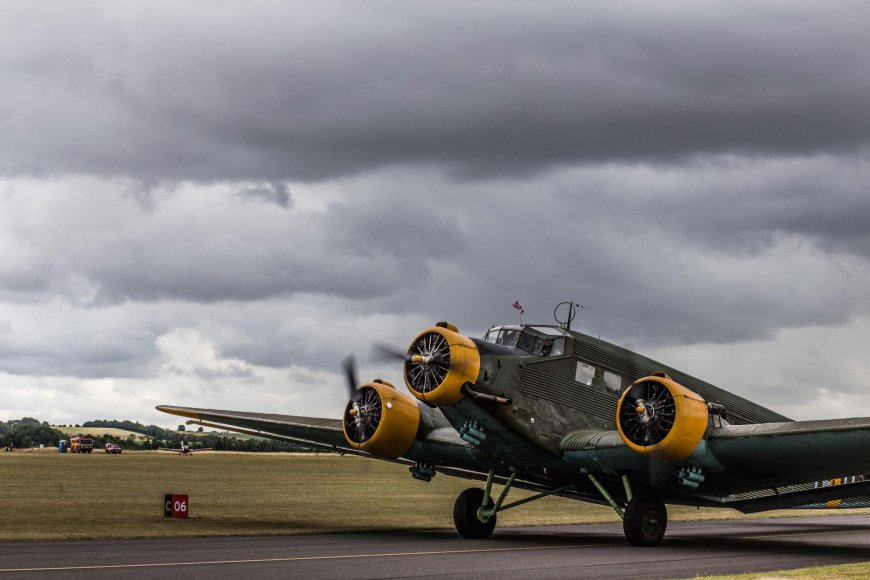
Forces aligned with Francisco Franco launched coordinated aerial attacks with significant foreign military support that day. Specifically, German Condor Legion units and Italian Aviazione Legionaria aircraft carried out sustained bombardment operations. As a result, attackers targeted the town while advancing toward Bilbao, seeking psychological and strategic advantages.
Although Guernica held immense cultural importance for the Basque people, it offered limited direct military value. Nevertheless, commanders aimed to break morale and disrupt transportation routes supporting Republican defensive efforts nearby. Therefore, the Guernica bombing demonstrated how warfare increasingly targeted civilian populations instead of purely strategic positions.
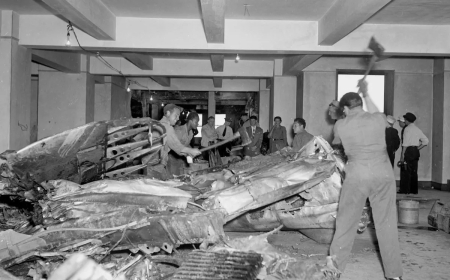
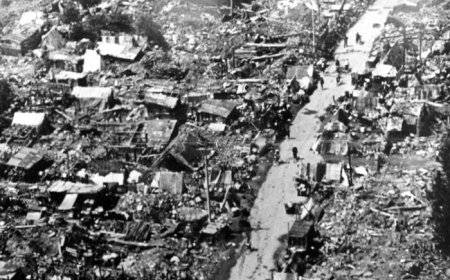
Beginning during late afternoon hours, successive waves of bombers released explosives and incendiary devices repeatedly. Consequently, fires spread rapidly through densely built neighborhoods, destroying homes, businesses, and essential infrastructure completely. Meanwhile, eyewitnesses described chaos as civilians fled burning streets while aircraft reportedly strafed escape routes relentlessly.
Estimates suggest hundreds died, while many more suffered severe injuries amid collapsing buildings and raging fires. Additionally, local authorities reported that most of the town center sustained extensive destruction during prolonged bombardment hours. Thus, the Guernica bombing became one of the earliest examples of concentrated aerial attacks deliberately targeting civilians.
International journalists quickly reported the devastation, bringing immediate global attention to the tragedy unfolding in Spain. Notably, correspondents like George Steer documented the destruction and shared eyewitness accounts with international audiences. Consequently, their reports intensified outrage and sparked debates about ethics, legality, and humanity in modern warfare practices.
Meanwhile, artists responded to the tragedy, transforming grief into powerful cultural expressions that resonated globally. Among them, Pablo Picasso created Guernica, immortalizing suffering through stark imagery and symbolism. Ultimately, the painting captured anguish and chaos, ensuring the event remained embedded in collective global consciousness.
Over time, historians viewed the Guernica bombing as a precursor to widespread aerial destruction in later conflicts. Indeed, tactics used there foreshadowed devastating bombings witnessed throughout the Second World War years globally. In conclusion, the Guernica bombing continues to symbolize civilian vulnerability and the profound human cost of war.
[Source: History]





/file/attachments/orphans/ED_543155_209242.jpg)