




















Donald Trump cancels military strikes against Iran to pursue peace framework
American embassies urge urgent departures as regional powers negotiate terms
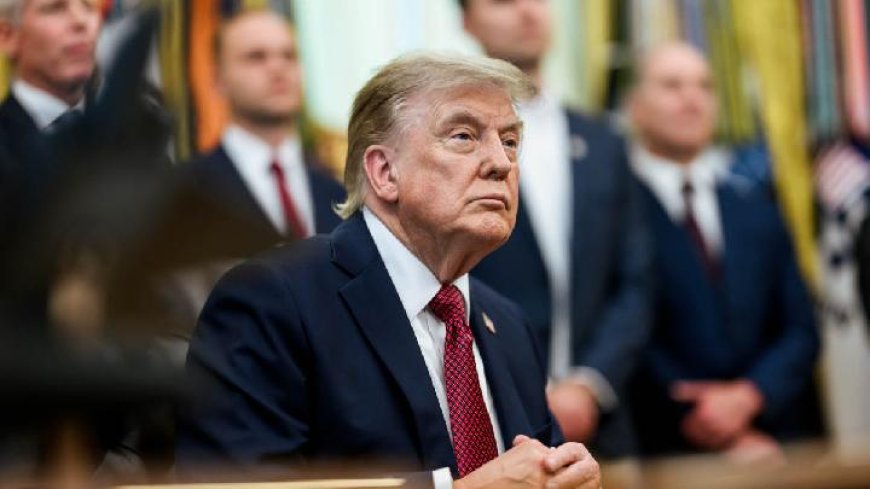
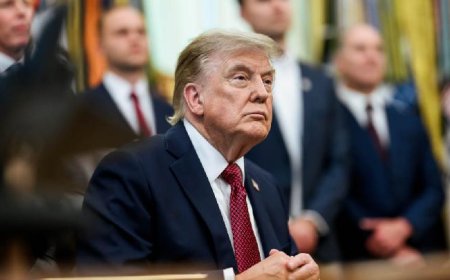
President Donald Trump suddenly canceled heavy military strikes against targets inside Iran to allow diplomatic negotiations for enduring regional peace. Specifically, American officials sought to finalize a comprehensive framework agreement that several Middle Eastern nations requested during urgent security talks. Consequently, this dramatic diplomatic pivot halted an impending armed clash that threatened to ignite widespread conflict across the entire region.
Furthermore, Donald Trump outlined key terms that must guide any formal peace deal between Washington and political leadership in Tehran. Primarily, the draft agreement demands the immediate, complete, and total reopening of the vital Strait of Hormuz for international shipping. Additionally, the proposed terms mandate a permanent end to the nuclear threat that Iranian military programs pose to global security.
Meanwhile, Middle Eastern governments actively urged both sides to show maximum restraint and pursue diplomatic solutions instead of destructive warfare. In fact, Saudi Arabian leaders directly contacted American officials to request immediate de-escalation before military forces launched planned missile strikes. Likewise, Israel expressed full support for the overarching peace framework while maintaining constant readiness against any potential regional security threats.
However, just hours prior to the sudden strike cancellation, American embassies across the entire Middle East issued urgent security warnings. Specifically, diplomatic posts in Iraq, Israel, Jordan, Saudi Arabia, and the UAE alerted citizens about dangerous and unpredictable regional volatility. Therefore, diplomats strongly advised American travelers to prepare for sudden departure if conflict erupted without any advance public official notice.
Moreover, security bulletins highlighted severe risks including unexpected airspace closures, sudden airline cancellations, and significant international travel network routing disruptions. In Jordan, embassy officials specifically instructed citizens to avoid nearby military installations that might attract unexpected foreign targeted missile strikes. Simultaneously, diplomats in Israel reminded residents to locate nearby bomb shelters and monitor emergency public broadcasts during potential missile attacks.
Meanwhile, global financial markets reacted swiftly to the sudden de-escalation as crude oil prices stabilized following intense regional military speculation. Indeed, commercial shipping companies welcomed news regarding potential free transit through the strategic maritime routes near important Middle Eastern straits. Thus, energy analysts emphasize that keeping this vital trade passage open remains crucial for maintaining stable global international commercial markets.
Ultimately, diplomatic teams must move rapidly to convert this temporary military pause into a lasting formal bilateral peace security agreement. In conclusion, world leaders closely monitor Tehran to see whether negotiators successfully achieve a final historical diplomatic compromise very soon. Meanwhile, defense forces across the region maintain high readiness until all participating international parties sign the final binding peace deal.
[Source: DaijiWorld]