



















Algeria assumes leadership of African Union Peace and Security Council
Diplomatic envoys focus on resolving active conflicts in Sahel and South Sudan
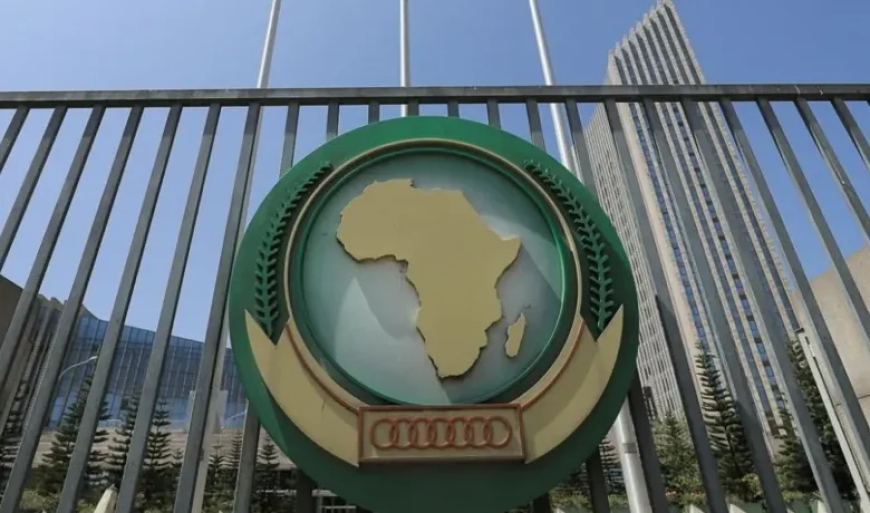
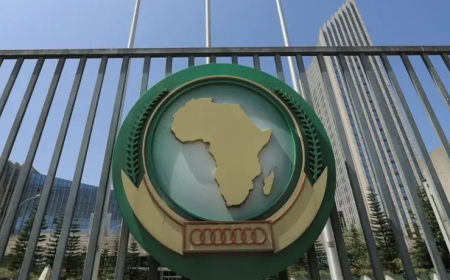
Algeria officially assumed the rotating monthly presidency of the African Union Peace and Security Council for August of this year. Consequently, skilled diplomats immediately launched a comprehensive agenda focused on active conflict resolution, continental security commitments, and sustainable regional peace. Furthermore, this strategic continental leadership position directly reinforces broader diplomatic efforts to establish highly stable security frameworks across vulnerable nations.
Specifically, President Abdelmadjid Tebboune directed national foreign policy advisors to prioritize peaceful dispute settlement mechanisms through constructive direct diplomatic dialogue. Additionally, Council members plan special oversight sessions regarding ongoing political instability and complex humanitarian emergencies within the central Sahel region. Likewise, regional representatives expect crucial discussions to support fragile transition processes and mitigate acute violent security threats inside South Sudan.
Meanwhile, Algerian officials scheduled formal institutional consultations with the Pan-African Parliament to strengthen joint parliamentary oversight on continental peacebuilding initiatives. Subsequently, delegates will review essential protection frameworks to safeguard educational opportunities for vulnerable children residing in dangerous active war zones. Therefore, international observers view these specialized sessions as fundamental steps toward protecting innocent civilians during complex prolonged armed military hostilities.
Simultaneously, the presiding delegation actively advances the flagship initiative known as Silencing the Guns to eliminate widespread illegal weapons proliferation. In fact, expert analysts emphasize that continental early warning intelligence systems provide indispensable tools for preventing sudden armed insurrections early. Accordingly, specialized security experts validate advanced threat mapping tools to help sovereign member states anticipate emerging security risks across borders.
Meanwhile, diplomat Ammar Benjama coordinates key strategic policy alignment between African Union priorities and discussions held at the United Nations. Indeed, joint institutional coordination guarantees that sovereign African nations present a unified diplomatic voice during high level global security forums. Hence, prominent international partners strongly endorse African led solutions to solve internal continental disputes without relying on foreign military intervention.
Meanwhile, regional economic communities collaborate actively with Council leaders to promote highly effective post conflict reconstruction throughout severely affected areas. Furthermore, international development agencies deploy essential resources to rebuild damaged infrastructure and support local economic recovery in fragile rural communities. Consequently, integrated regional stabilization programs empower local authorities to restore essential civic trust while strengthening long term administrative governance capacity.
Ultimately, successful mediation efforts require sustained political commitment alongside strong institutional cooperation from all sovereign member nations across the continent. In conclusion, active Algerian leadership during this pivotal month establishes meaningful momentum toward achieving durable peace and security throughout Africa. Meanwhile, continental diplomats closely observe ongoing peace negotiations to evaluate the overall effectiveness of these strategic regional diplomatic peace initiatives.
[Source: Atalayar]