

/file/attachments/orphans/ED_543155_209242.jpg)
























End of white minority rule in Rhodesia marks historic transition
Political transformation leads to zimbabwe independence and reshapes regional dynamics
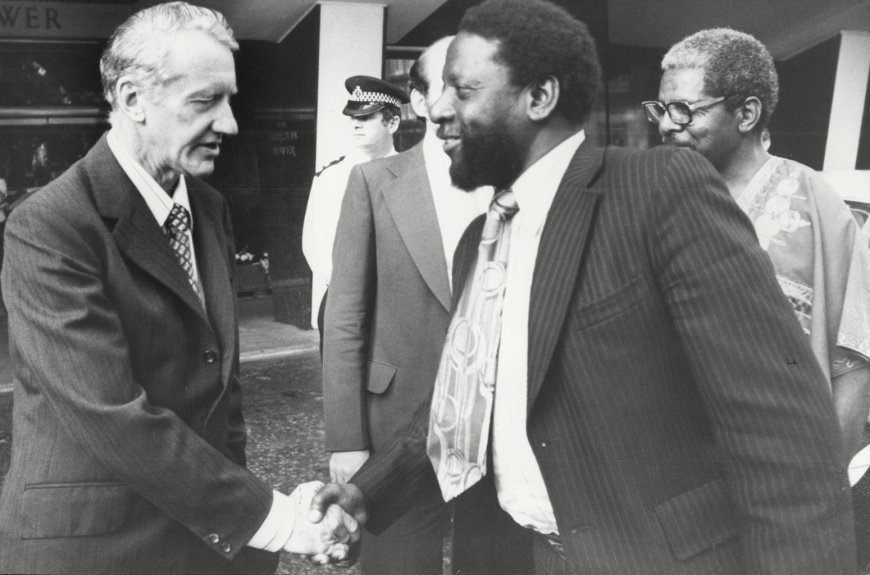
In 1979, Rhodesia ended decades of white minority rule, marking a decisive political shift toward majority governance and national transformation. The transition created Zimbabwe Rhodesia, an interim state designed to bridge colonial structures and emerging African leadership aspirations political goals. Consequently, negotiations intensified among internal leaders and international actors seeking a peaceful resolution to long standing conflict and instability ongoing.
For decades, white minority governments had controlled political power, limiting representation and enforcing policies that marginalized the African majority population. However, mounting pressure from liberation movements and international sanctions gradually weakened the existing system and forced authorities toward meaningful compromise. Meanwhile, armed संघर्ष and diplomatic efforts combined to push negotiations forward, shaping the agreement that dismantled institutionalized minority rule structures.
The establishment of Zimbabwe Rhodesia represented a transitional arrangement, incorporating limited reforms while maintaining elements of the previous political framework. Nevertheless, critics argued that the arrangement failed to deliver genuine majority control, prompting continued resistance and skepticism from liberation leaders. Therefore, further negotiations became necessary to reach a comprehensive settlement acceptable to both domestic factions and influential international stakeholders involved.
Talks eventually culminated in agreements that paved the way for recognized independence, establishing conditions for democratic elections under international supervision. As a result, Zimbabwe prepared for its first inclusive vote, marking a milestone in the country’s transition toward full sovereignty. The elections brought new leadership to power, reflecting the will of the majority and signaling the end of minority rule.
In 1980, the nation officially became Zimbabwe, gaining international recognition and joining the global community as an independent sovereign state. This transformation represented not political change but also a social shift, redefining national identity and aspirations after years of division. However, challenges remained as the government worked address economic disparities, rebuild institutions, and unify a society shaped by prolonged conflict.
Even the end of white minority rule stands as a moment in African decolonization and the broader struggle for equality. Today, historians examining period to understand the complexities of negotiated transitions and the lasting impacts on regional politics and governance. Ultimately, the transition highlights the possibilities and difficulties in dismantling entrenched systems of power while building inclusive and representative institutions.
[Source: Zimbabwe Situation]