/file/attachments/orphans/Nonku-Nombasa-Mapisa3_550805.jpg)





















Israel Lebanon escalation marks dangerous regional turning point
Deep military advance and global reactions intensify fears of wider conflict
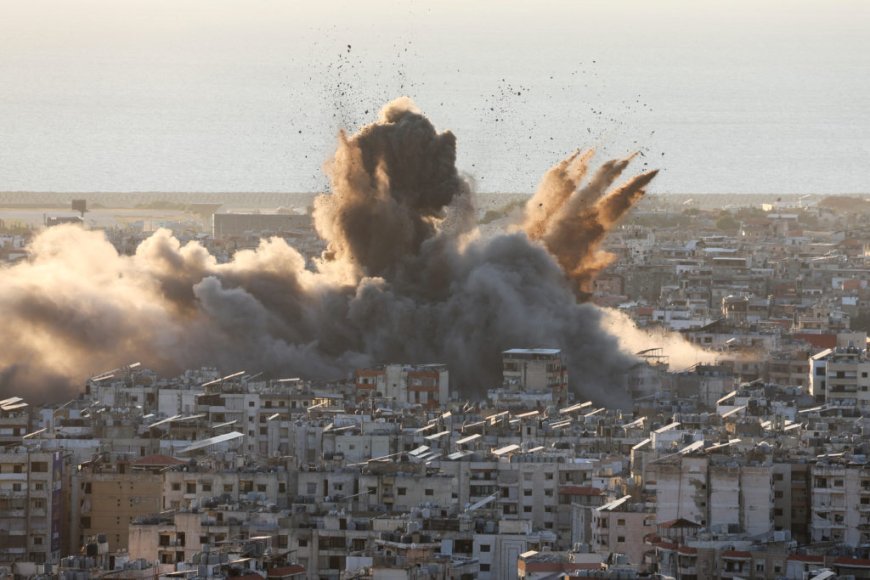
Over the weekend, Israeli forces advanced north of the Litani River, marking the deepest incursion into southern Lebanon in decades. The operation included the capture of Beaufort Castle, a strategic hilltop position that overlooks key areas and vital supply routes. Prime Minister Benjamin Netanyahu described the move as a dramatic shift aimed at protecting northern settlements from ongoing security threats.
Meanwhile, Defense Minister Israel Katz confirmed that Israeli troops intend to remain positioned on the ridge as part of an expanded security zone. This decision signals a potential long term military presence, raising concerns about further escalation and prolonged confrontation along the border. Consequently, analysts warn that the situation could evolve into a broader conflict if diplomatic efforts fail to contain rising tensions.
Following the advance, Israeli authorities issued sweeping evacuation orders affecting all residents south of the Zahrani River across southern Lebanon regions. Civilians rushed to relocate northward, creating scenes of urgency and fear as families sought safety amid uncertainty and rapidly changing conditions. At the same time, humanitarian organizations expressed concern about the scale of displacement and the strain on already limited local resources.
In parallel, the Lebanese Health Ministry reported that an Israeli airstrike near Hiram Hospital in Tyre injured thirteen healthcare workers. The strike also caused extensive structural damage to the medical facility, disrupting critical services and complicating emergency response efforts significantly. Therefore, officials warned that continued attacks on infrastructure could worsen the humanitarian situation and hinder access to essential medical care.
International reaction quickly intensified, as French President Emmanuel Macron condemned the deep incursion into Lebanese territory in strong terms publicly. He stated that nothing justifies the ongoing escalation, emphasizing the urgent need for restraint and a return to diplomatic engagement immediately. Subsequently, France formally requested an emergency meeting of the United Nations Security Council to address the deteriorating crisis.
As global attention shifts toward the conflict, calls for de escalation continue growing among regional and international actors seeking stability urgently. Diplomats stress that without immediate dialogue and confidence building measures, the situation risks spiraling into a wider and more destructive confrontation.
Ultimately, the latest developments highlight the fragile balance in the region and the high stakes involved in preventing further escalation.
[Source: The New Yorker]







/file/attachments/orphans/ED_543155_209242.jpg)