

/file/attachments/orphans/ED_543155_209242.jpg)
















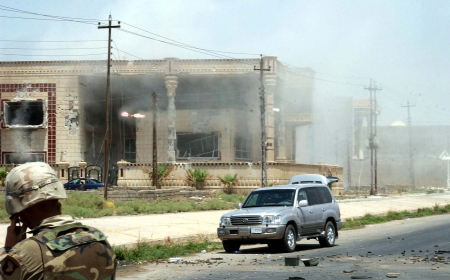

Castro leads surprise assault in Santiago de Cuba
Armed rebels attack Moncada Barracks to launch Cuban revolution against government
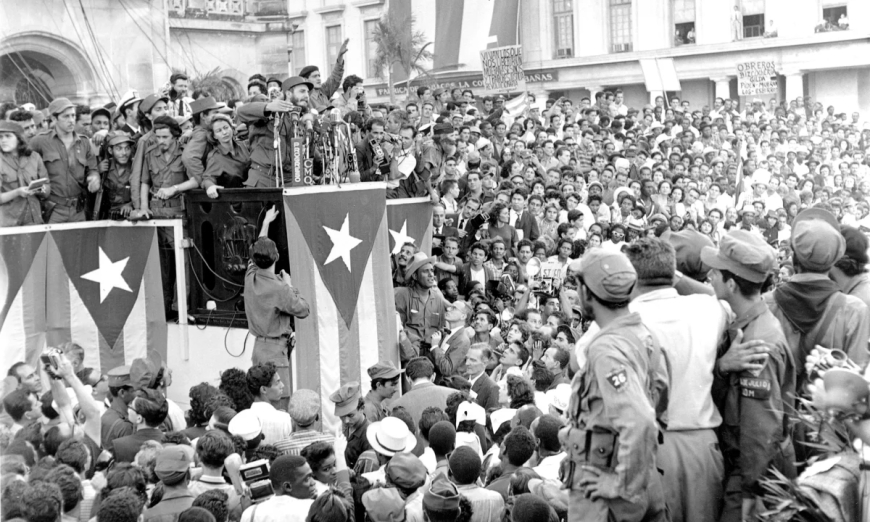
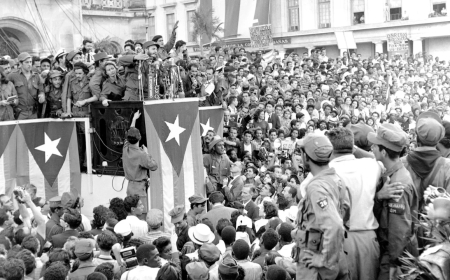
Today Fidel Castro led a determined group of armed rebels in a sudden direct attack against the Moncada Barracks. Consequently this violent clash officially marks the dramatic beginning of the Cuban Revolution against the government of Fulgencio Batista. Furthermore insurgent fighters launched this bold assault in Santiago de Cuba to seize military weapons and spark a widespread revolution.
Indeed economic hardships and political repression drove numerous young citizens to organize underground resistance movements across the island nation. Additionally rebel fighters carefully planned this surprise raid for months to disrupt government authority and rally local civilian support. Meanwhile government soldiers stationed at the military garrison quickly mobilized heavy firepower to defend their strategic coastal military installation.
Therefore intense military combat broke out across the city streets as defending soldiers fiercely fought off the incoming rebel forces. However government troops ultimately overwhelmed the outnumbered attackers and captured many key insurgent leaders following brief tactical skirmishes. Moreover surviving rebel fighters fled into nearby rural mountain ranges to regroup while royalist troops actively secured surrounding urban neighborhoods.
In fact national government authorities immediately imposed strict martial law and dispatched heavy military reinforcements to restore order across Santiago de Cuba. Specifically legal prosecutors quickly prepared high-profile criminal trials against Fidel Castro and his surviving conspirators following their dramatic capture. Accordingly local citizens now watch political developments with profound anxiety as federal security forces patrol every major city avenue.
Thus this unsuccessful military raid clearly signals the start of a deep political struggle that will alter national history. Besides launching armed insurrection, revolutionary leaders broadcast radical political manifestos to inspire future rebellion among workers and rural peasants. Hence political analysts confidently predict this violent confrontation will spark prolonged popular resistance against existing government military authority.
Ultimately Fidel Castro transformed a tactical military defeat into a powerful symbolic battle cry for future political liberation movements. Indeed local supporters view these courageous insurgent fighters as national heroes as political tensions continue rising across the nation. Consequently national history will forever remember this dramatic July assault as the pivotal catalyst of the Cuban Revolution.
[Source: The Guardian]