

















May Day in the UK
Michael EJ Phillips
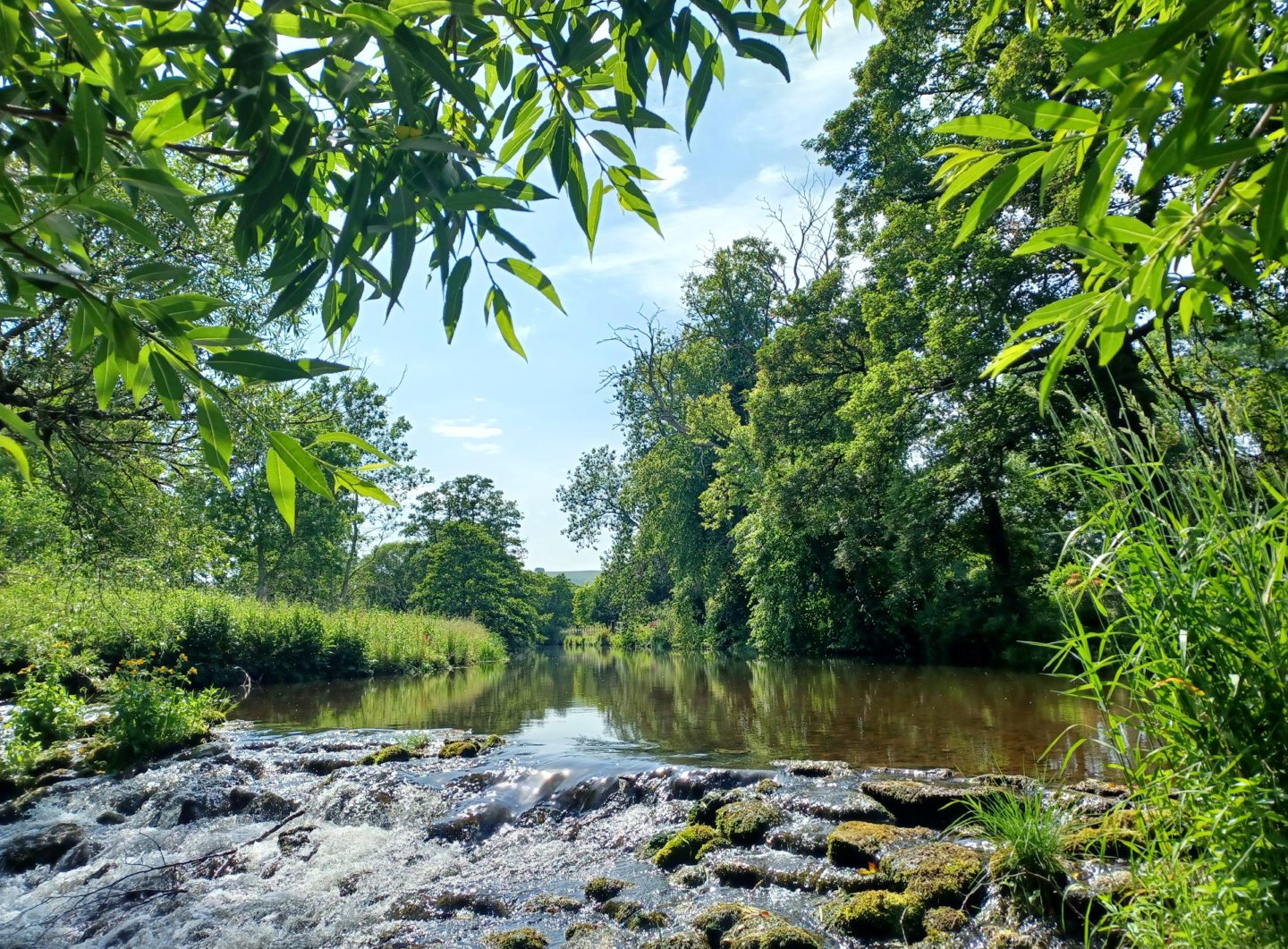
The first day of summer is traditionally celebrated in the United Kingdom and many countries of the Northern Hemisphere on the 1st May, being related to ancient festivals and commemorations throughout Europe. The further north one goes, the winters tend to be longer and darker, so after the Spring Solstice (21st March) it marks a time of much longer evenings, the return of sunshine and of course the land becoming greener, flowers blooming and crops beginning to grow. Then, the next major celestial date is the Summer Solstice (21st June), after which the nights begin to draw in again. As the Northeast Scottish saying in Doric goes, “For every bricht braw summer’s day, there’s a dark winter night to come…” Talk about gloomy, or just pragmatic?
Coming as it does at the end of spring time, people often like to gather fresh flowers, which can be put together in wreaths that decorate homes or front doors. The ancient Roman festival called Floralia suggests by its name that it is concerned with flowers. In some areas, a May Queen is crowned with such a wreath and accompanied by a male figure dressed in greenery. Parades and processions often take place – witness the Kate Kennedy procession in St Andrews later in May, and who can forget the famous May Dip, where students run into the sea early in the morning alongside torchlit processions.
In the Borders, Beltane (May Day) celebrations have taken place for centuries, and in traditionally Gaelic areas, there are many similarities with those in Ireland. They involve decking doors and windows with flowers and greenery as well as holding bonfire parties similar to how Newroz Eve is celebrated in Kurdistan. From the 15th and 16th century Maitland Manuscripts, now held at Cambridge, comes the poem written in Middle Scots “Peblis to the Play” (c. 1430-1450) which describes the events that took place in Peebles (a very beautiful part of the country):
At Beltane, quhen ilk bodie bownis
To Peblis to the Play,
To heir the singin and the soundis;
The solace, suth to say,
Be firth and forrest furth they found
Thay graythis tham full gay;
God wait that wald they do that stound,
For it was their feast day the day they celebrate May Day
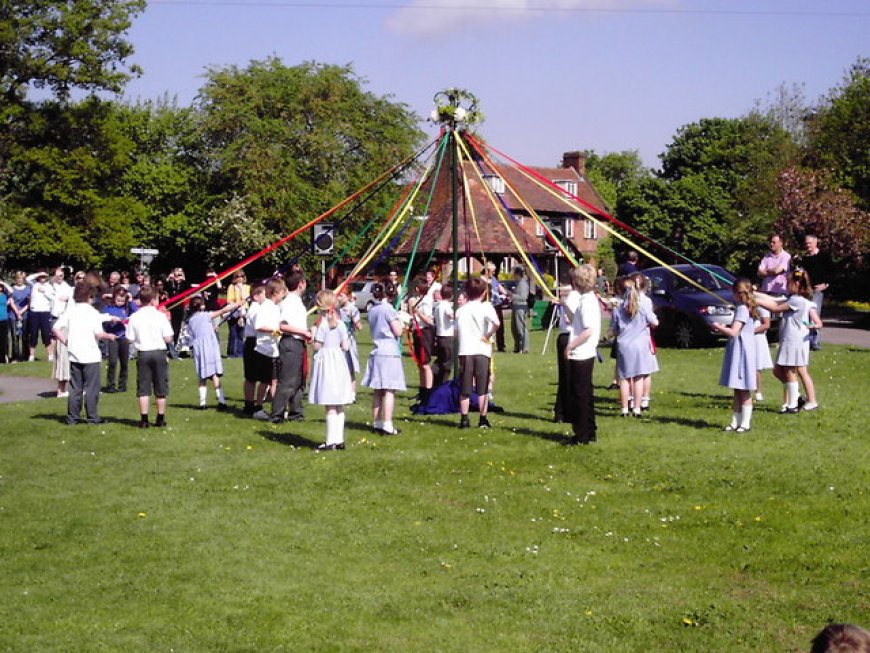
Naturally the most famous association with May Day is dancing round the Maypole particularly in English villages. It is a nice memory of being at school in Dorset at that time of year: such fun for the children. May baskets would often be given to neighbours, containing sweets, flowers or both, although this tradition is now fading with the atomised modern world.
One nice English tradition from Cambridgeshire, which carried on until relatively recently, was “May dolling” where young girls would go round the villages with a dressed doll, to collect pennies. The song that was sung and commemorates it is:
Sing a song of May-time.
Sing a song of Spring.
Flowers are in their beauty.
Birds are on the wing.
May time, play time.
God has given us May time.
Thank Him for His gifts of love.
Sing a song of Spring.
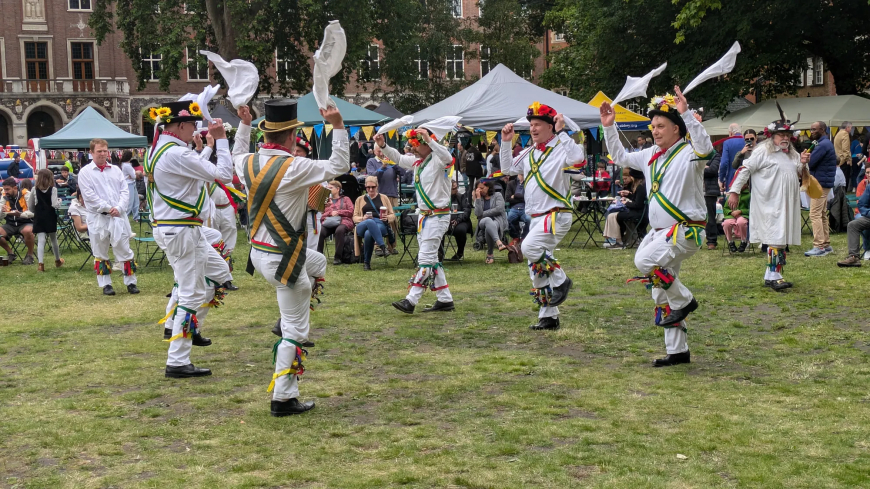
Morris Dancing is another thing associated with May Day and the summer in general. As traditions die out, people have tried to preserve or revivify it, though people still see it as somewhat archaic and regard it slightly humorously. As a kind of English folk dance, the men will wear special costumes, dancing rhythmically (cf Kurdish dancing…) with bells on their shins, shoes or both. The dance is choreographed to music, and they use sticks, swords and handkerchiefs to add liveliness to the dance.
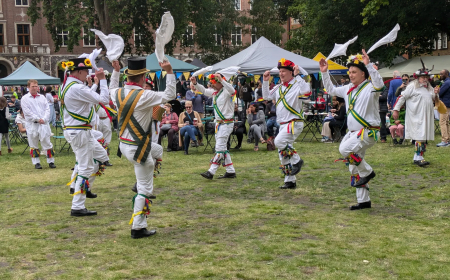
Abingdon Morris Men dancing at Westminster Abbey Choir School - Andy Read/Medium.
The important point of all this is that once traditions die out, they are gone forever and may end up as being seen as ‘niche’, ‘quirky’ or the object even of derision. Across the world people have documented traditions in every society, and the same may be said of Kurdistan. Traditions are a part of identity – be it personal, cultural or national – and are key in defining who we are in respect of others particularly in such as region as ours where the Kurdish people are spread among the different countries and have not always enjoyed freedom or culture or expression unlike the Iraqi Kurdistan Region of today where President Nechirvan Barzani’s defining characteristics include the promotion of dialogue, respect for others, peaceful coexistence and the valuing of all minority components. The same is generally true of language: while there are many merits to a standardised language, and globalisation, the result is more often than not the loss of identity and what makes us all unique.
Therefore, treasuring traditions is something we ought to do as a matter of course. Once a language or culture dies out, it is lost forever in the mists of time … and enjoy the nicer weather while it lasts!