





















Hezbollah rocket fire tests fragile ceasefire between Israel and Lebanon
United States urges high-level summit as cross-border strikes escalate and tensions threaten wider regional instability
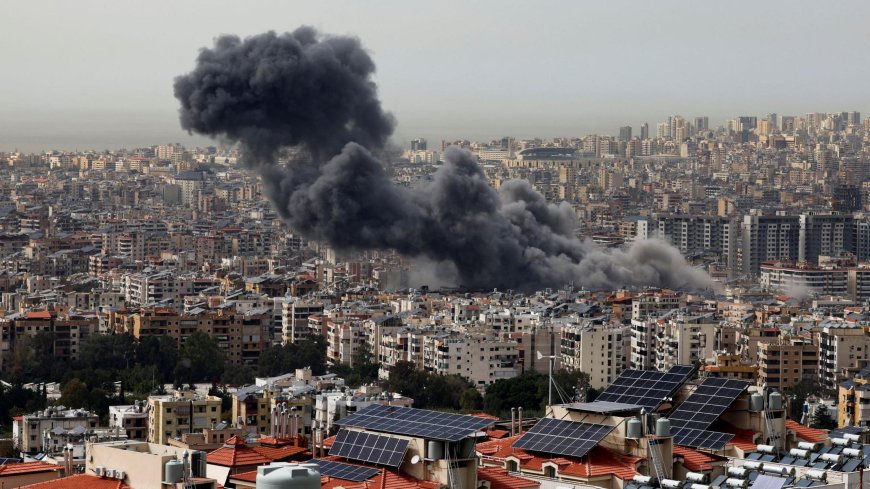
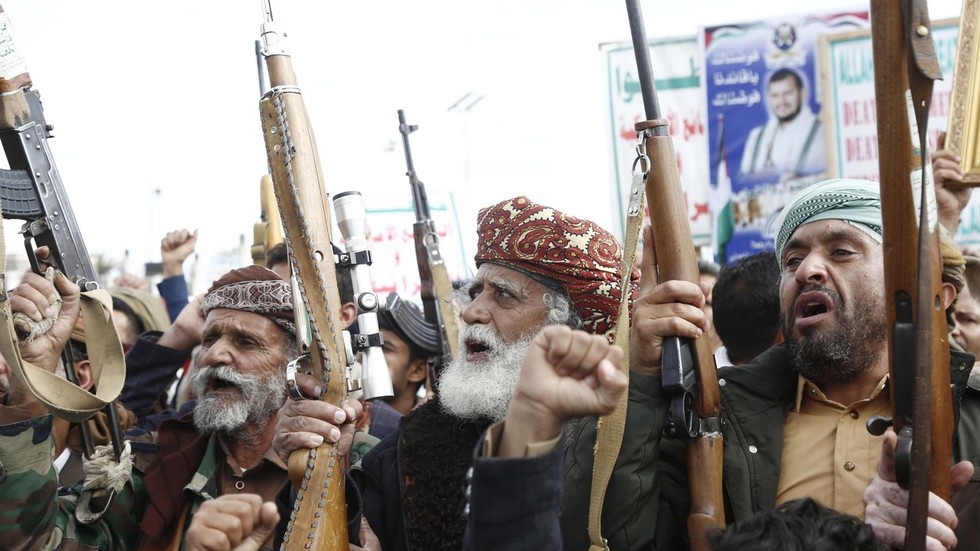
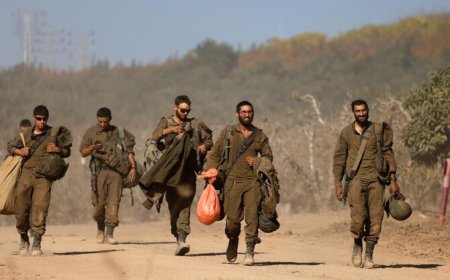
Fighters from Hezbollah launched rockets and explosive drones toward Israel Defense Forces units in southern Lebanon, intensifying tensions despite a declared ceasefire between both sides. The attack marked another breach of the fragile truce, raising fears that localized clashes could spiral into a broader confrontation. Officials reported that at least one incoming projectile was intercepted, while others detonated near Israeli troops without causing injuries.
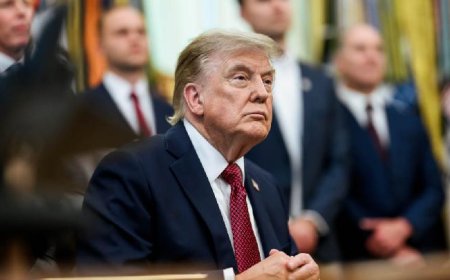
Meanwhile, Donald Trump called for urgent diplomatic engagement, urging talks between Benjamin Netanyahu and Joseph Aoun to stabilize the deteriorating situation along the border. The proposal followed increasing concerns from American officials about the risk of escalation undermining regional security efforts. The United States Embassy in Beirutpublicly supported the initiative, emphasizing the need for direct dialogue to secure sovereignty and long-term stability.
Hostilities have persisted since mid-April, when a ceasefire announcement failed to halt exchanges between Israel and the Iran-backed group. Israeli authorities responded to the latest attacks with a series of airstrikes, reportedly targeting dozens of militant positions across Lebanese territory. According to preliminary reports, the strikes resulted in multiple fatalities, further complicating efforts to maintain calm and avoid civilian harm.
In response to the ongoing threat, Israeli officials imposed new restrictions on public gatherings in northern regions, limiting large events due to security risks. Authorities also canceled major religious celebrations, including the annual Lag B’Omer event at Mount Meron, citing concerns about potential rocket fire or escalation. These measures reflected growing anxiety within Israel as cross-border attacks continued despite diplomatic efforts.
Furthermore, Israeli and Lebanese representatives have engaged in talks in Washington, marking the first direct negotiations between the two sides in decades. These discussions signal cautious optimism, although deep mistrust and ongoing violence continue to hinder meaningful progress toward a lasting agreement. Observers note that sustained diplomatic pressure will likely remain essential to prevent further deterioration.
The conflict traces back to renewed hostilities earlier this year, when fighting linked to broader regional tensions reignited clashes between Israel and Hezbollah. Since then, Israeli forces have established a buffer zone in southern Lebanon, aiming to limit militant operations near the border. However, critics argue that such measures risk prolonging instability and provoking further retaliation.
Ultimately, the situation underscores the volatility of the Israel-Lebanon frontier, where ceasefires often remain fragile and easily disrupted by renewed violence. As the United States pushes for a high-level summit, the outcome of potential talks could shape the next phase of relations between the two long-standing adversaries.
[Source: NYPost]