






























Poland commemorates may 3 constitution as landmark reform effort
Historic 1791 charter reshaped governance, challenged entrenched power, and left a lasting imprint on European political development
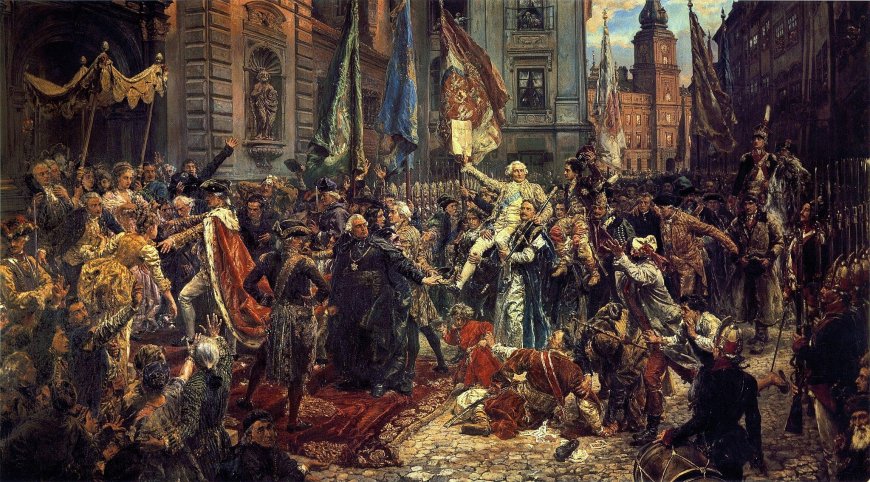
Poland marked the Constitution of May 3, 1791, a landmark reform that reshaped governance and inspired democratic traditions across Europe. The document signaled a decisive effort to modernize the Polish–Lithuanian Commonwealth while countering internal paralysis and mounting growing foreign pressure. Adopted in Warsaw during an parliamentary session, the charter aimed to stabilize institutions and reinforce central authority through pragmatic reforms.
Reformers including King Stanislaw II August, Hugo Kollataj, and Ignacy Potocki coordinated efforts to overcome entrenched interests and legislative obstruction. At the time, the liberum veto allowed noble deputy to halt proceedings, which crippled governance and invited manipulation from empires. In response, the Four-Year Sejm pursued change, debating fiscal, military, and constitutional measures designed to restore sovereignty and administrative effectiveness.
Consequently, constitution replaced the elective monarchy with a hereditary system, seeking continuity and reducing opportunities for foreign interference in succession. Moreover, introduced a separation of powers, distributing authority among legislative, executive, and judicial branches to enhance accountability and policy coherence. Lawmakers extended limited rights to townspeople, while placing peasants under state protection, signaling gradual social reform within a hierarchical society.
Although Catholicism remained the state religion, text affirmed religious tolerance, reflecting Enlightenment influences and attempts to balance tradition with pluralism. However, nobles resisted the changes, fearing loss of privileges, and organized opposition that undermined implementation of the new constitutional framework. Furthermore, powers, Russia, backed the Targowica Confederation, which opposed reform and triggered conflict that reversed many of the constitution’s achievements.
By 1792, military defeat and pressure led to the constitution’s annulment, abruptly ending one of Europe’s most ambitious reform experiments. Nevertheless, document endured as a powerful symbol of national aspiration, influencing later independence movements and shaping modern Polish political identity. Today May 3 celebrated as Constitution Day in Poland, commemorating reformist vision and reaffirming commitments to democracy, sovereignty, and responsibility.
Historians emphasize constitution blended pragmatic governance with Enlightenment ideals, creating a framework that sought stability without abandoning concepts of citizenship. Additionally, reformers attempted to recalibrate relations between classes, cautiously expanding protections while maintaining order within a complex and unequal society. Even realities constrained success, as powerful neighbors perceived strengthened state as a threat to influence in Central and Eastern Europe.
Scholars study constitution for its innovative provisions, as its limitations, offering insight into the challenges of reforming entrenched political systems. Ultimately, Constitution May 3, 1791, stands a milestone in European history, reflecting the promise and fragility of transformative political change.
[Source: Europa.eu]