





























French mandate consolidation tightens control over Syria
Colonial policies reshape borders, fuel resistance, and leave a lasting imprint on regional politics
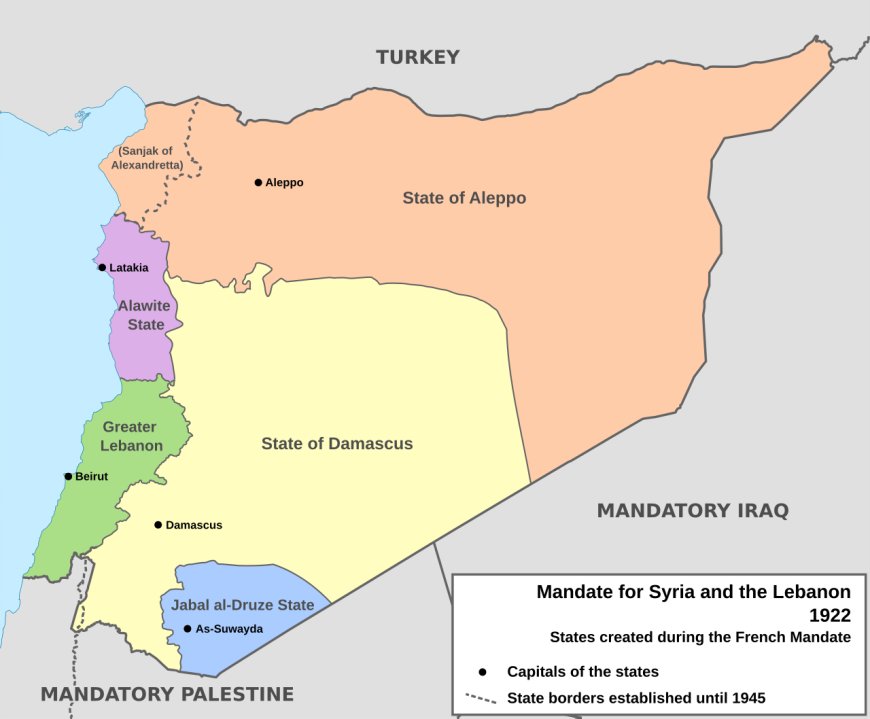
France intensified its consolidation of control over Syria after the Ottoman Empire collapsed, reshaping regional politics and deepening long-term tensions. The policy unfolded under the League of Nations mandate system, granting France administrative authority while promising eventual independence for populations. However, French officials expanded military deployments and centralized governance structures, aiming to suppress rising Arab nationalist movements across Syrian cities.
These measures sparked protests, strikes, and occasional armed uprisings, as local leaders demanded genuine self-rule instead of continued foreign oversight. In response, French authorities reorganized territories into administrative units, including statelets to fragment nationalist cohesion and weaken unified resistance efforts. Meanwhile, the creation of entities such as Greater Lebanon and Alawite State altered demographic balances and intensified sectarian political divisions.
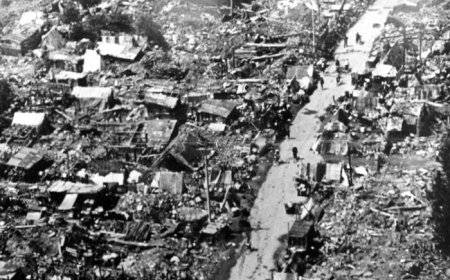
At same time, French forces relied on aerial bombardments and punitive expeditions to deter rebellion, leaving lasting scars on communities. Consequently, resentment French rule deepened, as Syrians viewed the mandate as a continuation of imperial domination rather than transitional arrangement. Regional dynamics complicated governance, because neighboring territories under British influence developed differently, highlighting contrasting colonial strategies across the Middle East.
Syrian intellectuals and political activists organized congresses and petitions, attempting to present unified demands for independence despite internal divisions. French administrators, however, dismissed initiatives, arguing that stability required gradual reforms under continued supervision rather than immediate transfer of power. Meanwhile, clashes between French troops and local fighters escalated, reinforcing cycles of violence and undermining trust.
Over time, these developments contributed to the crystallization of Syrian national identity, forged in opposition to external control and administrative fragmentation. Eventually, resistance and shifting international pressures pushed France to reconsider its approach, setting the stage for Syria’s independence after World War Two. The legacy of this mandate period continues to influence Syria’s political landscape, including governance challenges and territorial questions.
Historians emphasize that decisions made during French rule shaped borders and institutions that still define regional geopolitics today. Thus, the consolidation of French control in Syria represents a pivotal chapter in Middle Eastern history, linking colonial policies with modern political realities. Analysts note that understanding this era remains essential for interpreting ongoing conflicts and diplomatic efforts across the Levant.
[Source: Britannica]