




















Kurdish uprising aftermath reshapes northern Iraq
Safe havens and no-fly zones mark a turning point in post-Gulf War Kurdish autonomy and regional stability
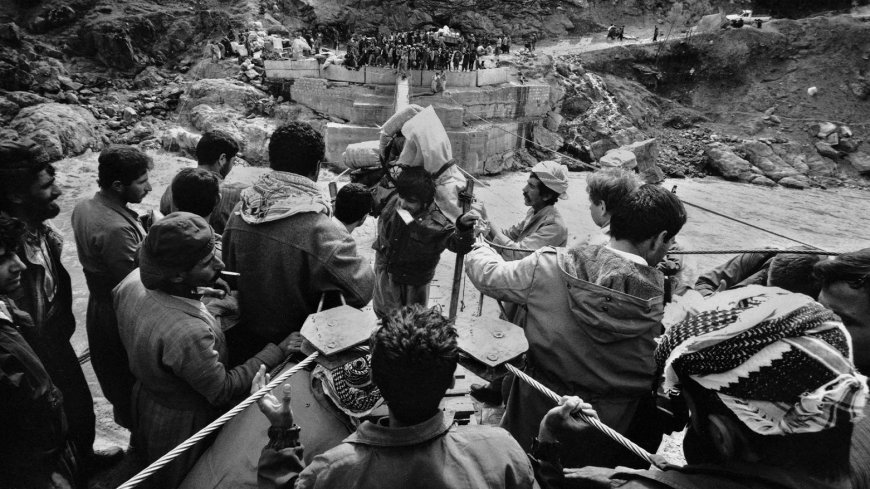
Kurdish regions in northern Iraq faced uncertainty after the Gulf War as Saddam Hussein's forces suppressed earlier uprising movements again. In early May international pressure from United States and allies pushed creation of safe havens across northern Kurdish territories region. This development marked turning point for Kurdish autonomy and reshaped political dynamics throughout postwar Iraq significantly over time in region.
As instability continued Kurdish communities organized local governance structures while seeking protection under emerging international arrangements with growing international support. The United States and coalition partners enforced no-fly zones to prevent further attacks by Iraqi military aircraft across northern Iraq. Kurdish political leaders leveraged new security conditions to expand autonomy efforts and build administrative institutions rapidly despite ongoing regional tensions.
Meanwhile Baghdad's government's struggled to reassert control over northern provinces amid increasing diplomatic isolation from global powers after Gulf War. International monitoring missions expanded presence to ensure compliance with ceasefire agreements and protect vulnerable civilian populations in northern affected regions. This evolving situation gradually strengthened Kurdish aspirations for self rule and increased regional political complexity overall across the Middle East.
Humanitarian concerns also grew as displaced families returned to damaged towns lacking basic infrastructure and services in extremely fragile conditions. Regional actors monitored developments closely because Kurdish autonomy could influence broader stability across neighboring states significantly in the long term. By early May political momentum shifted toward formalized safe zones supported by Western coalition enforcement mechanisms across northern Iraq region.
Kurds increasingly coordinated political representation while international negotiators discussed frameworks for future autonomy arrangements under evolving postwar security environment regionally. Security improvements allowed gradual reopening of trade routes linking Kurdish areas with central Iraqi markets and neighboring cross border regions. Despite progress tensions persisted as Baghdad resisted full decentralization and maintained pressure on northern administrations throughout the political transition period.
International stakeholders emphasized long term stability while urging inclusive political solutions for Iraq's diverse communities to prevent renewed conflict eventually. The evolving autonomy framework influenced regional diplomacy as neighboring states adjusted policies toward Kurdish governance models in subsequent years ahead. Overall Kurdish uprising aftermath reshaped Iraq's political landscape and set foundation for future negotiations across region with lasting historical impact.
[Source: Human Rights Watch]