

















The paradox of power: between shadow and public view
Assist. Prof. Dr. Seerwan Anwer Majeed
Power in politics is never truly born beneath the dome of parliament. It is shaped elsewhere—in the shadows, where names quietly disappear long before they are ever spoken aloud. What ultimately reaches the public is not a pure democratic choice, but the final silhouette of a long and intricate process of elimination.
The making of a prime minister does not begin with a vote; it ends with one. Long before hands are raised and cameras begin to roll, decisions have already taken form in closed rooms, in unrecorded conversations, and along pathways that leave no trace on official maps. What appears, in the public eye, as a constitutional ritual is in truth the last act of a silent negotiation that has passed through layers of power, calculation, and unspoken consent.
At the beginning of this journey, the field of possibilities appears wide, almost pluralistic. Dozens of names circulate within political blocs, each carrying its own promise and narrative of legitimacy. Yet this plurality does not last. Gradually, almost imperceptibly, the circle tightens. Names fall away—not always because they lack merit, but because they fail to meet the invisible criteria of survival within elite calculations. Loyalty, flexibility, acceptability, and risk become the real measures of viability. What remains, in the end, is not the best, but the most adaptable.
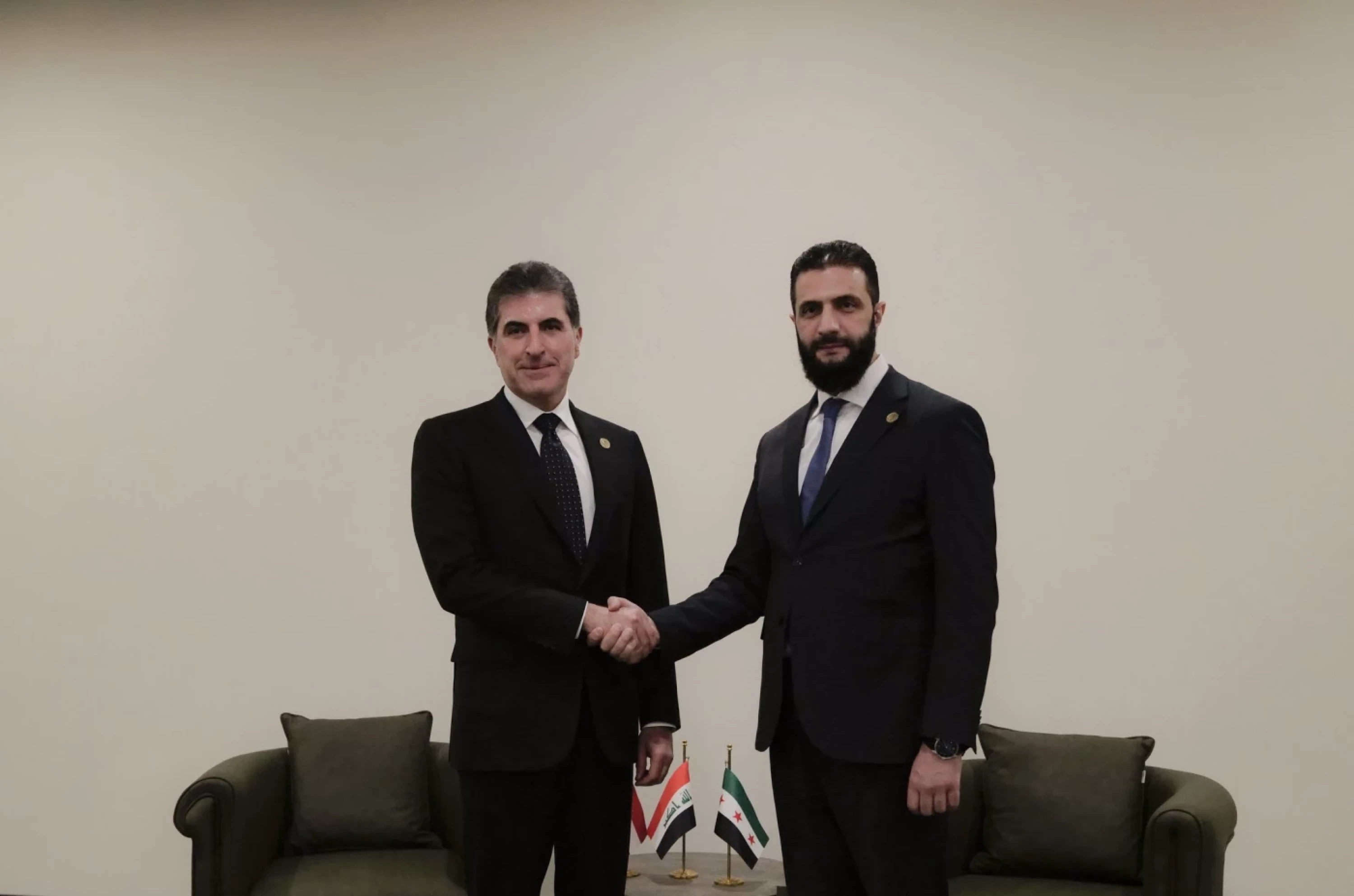
Before any of these remaining figures can step into the light as serious contenders, they must pass through a quieter, more decisive threshold: the threshold of external acceptance. In a system shaped by overlapping sovereignties, internal legitimacy alone is never enough. The candidate must move within a delicate geopolitical balance, where regional and international actors silently weigh their interests. Since 2003, no prime minister in Iraq has emerged without at least tacit alignment with the strategic posture of Iran or the non-opposition of United States. Other actors, including Turkey, continue to shape the economic and security context within which choices are made. At this stage, the boundary between domestic and external decision-making dissolves; the internal arena becomes inseparable from its external environment.
Then comes the most intense phase—the phase in which politics transforms into structured exchange. Here, formal discourse gives way to negotiation as a system of transactions. Names are no longer considered individually; they are embedded within broader arrangements that bind positions to concessions. A ministry is weighed against support, influence against silence, balance against approval. Negotiations can stretch for months, as seen in multiple Iraqi government formations, where cabinets often exceed twenty ministries distributed through quota-based arrangements designed to maintain equilibrium rather than efficiency. In this space, the candidate is not simply chosen; he is assembled, piece by piece, through a network of reciprocal interests.
A moment then arrives that appears decisive, almost dramatic. Yet it is neither sudden nor surprising. It is the natural outcome of everything that preceded it. The circle closes, and only one name remains—not because it has defeated others, but because it has outlived their objections. It is the name no major actor has firmly rejected, rather than the one that commands genuine consensus. In this system, survival matters more than victory, and acceptance is defined by the absence of veto rather than the presence of conviction.
On the surface, however, a different story is told. Cameras capture formal procedures, official statements affirm institutional continuity, and the process is presented as orderly and transparent. The media does not necessarily fabricate reality; it reshapes it. Through framing, it highlights legitimacy while softening complexity. Through agenda-setting, it elevates certain names until they appear inevitable, while others fade from public awareness. What the audience sees is not false—but it is carefully curated, a version of reality arranged to appear coherent.
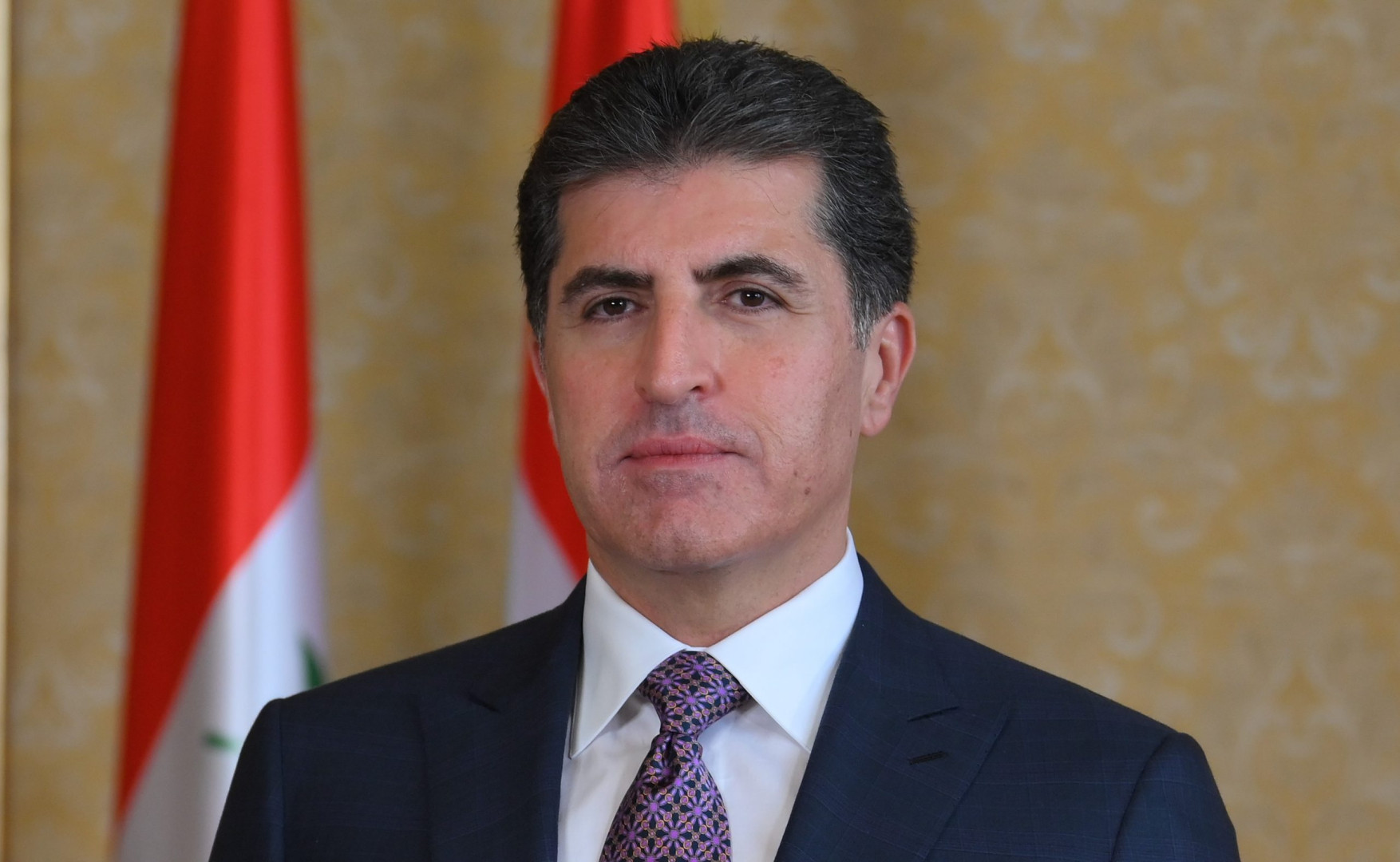
Beyond this dense and often opaque process at the federal center, a contrasting pattern emerges in the selection of the presidency of Kurdistan Region. Here, decision-making appears more fluid, more direct, and less encumbered by multiple layers of mediation. The reasons are structural: fewer veto players, more cohesive party hierarchies, and clearer centers of authority within dominant political organizations. Once agreements are reached among leading actors, outcomes tend to follow with greater and predictability. The distance between negotiation and decision is shorter, more visible, and more easily interpreted.
Yet this apparent fluidity should not be mistaken for simplicity. Politics remains present, and negotiation remains essential. What differs is not the existence of power, but the number of layers through which it must pass. In the Region, power travels a shorter path before it becomes visible. At the federal level, it must navigate a far more complex terrain.
Thus, by the end of this long and quiet process, the central paradox becomes unmistakable:
A prime minister is not elected in the way the public imagines. He is filtered—carefully and gradually—until he emerges as the only viable option, not necessarily the best one.
Between the dense shadows of Baghdad and the smoother flow of Kurdistan, politics reveals its true nature only to those who look beyond what is announced and examine what is arranged. For by the time the “winner” is declared, the game itself has long since been decided.
What remains, in the end, is not the making of power but the performance of it.