






























Student protests ignite national awakening in China
May Fourth Movement Challenges Foreign Influence And Sparks Modern Nationalism
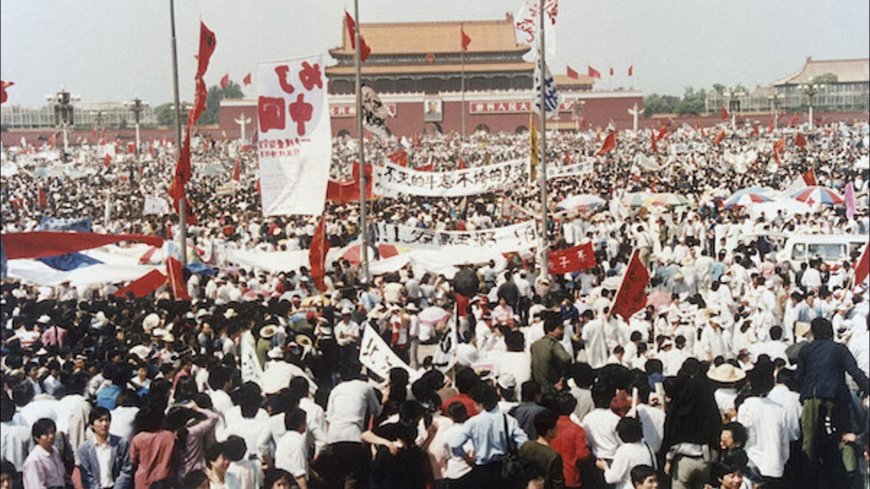
In 1919, students in Beijing launched protests that would reshape China’s political and cultural future in lasting ways. The demonstrations marked the beginning of the May Fourth Movement, which quickly spread across major cities and gained widespread public support. At the time, frustration grew over foreign influence and the government’s weak response to international pressures following World War One.
Therefore, thousands of students gathered in Beijing to voice anger over decisions linked to the Treaty of Versailles, which transferred German concessions in China to Japan instead of returning them. Consequently, protests expanded beyond campuses, drawing workers, merchants, and intellectuals into a broader national movement demanding political reform and sovereignty. Demonstrators called for modernization, stronger governance, and an end to unequal foreign control that had long undermined China’s independence.
Moreover, activists promoted new cultural ideas, encouraging science, democracy, and rejection of traditional systems that they believed hindered national progress. As a result, the movement inspired a wave of intellectual change known as the New Culture Movement, which reshaped literature and education. In addition, protests led to boycotts of Japanese goods, strengthening economic resistance and uniting different social groups under a shared cause.
Meanwhile, the government faced mounting pressure as public dissatisfaction intensified, forcing officials to reconsider diplomatic decisions and internal policies. Furthermore, authorities eventually released arrested students, signaling that sustained public action could influence national leadership and policy direction. Historians consider the movement a defining moment, when civic activism emerged as a powerful force in shaping China’s modern identity.
At the same time, the movement contributed to the rise of new political ideologies, including socialism and nationalism, which later influenced major transformations in Chinese governance. Because of these developments, intellectual debates expanded, creating fertile ground for the emergence of future political movements and parties. Today, the May Fourth Movement remains a symbol of youth activism and national renewal in modern Chinese history.
Visitors and scholars continue to study its legacy, examining how collective action reshaped society and redefined the relationship between citizens and the state. In retrospect, the protests illustrate how student-led movements can trigger profound political and cultural change within a nation. Equally important, the movement underscores the enduring impact of public resistance against external pressure and internal weakness.
Looking forward, historians continue analyzing its influence on contemporary China, ensuring that its significance remains widely understood and debated. Ultimately, the May Fourth Movement stands as a milestone, demonstrating how unity and determination can redefine a nation’s direction and identity.
[Source: World Socialist]