


































King Charles II establishes foundation for modern astronomy
Royal Observatory Order Transforms Navigation, Timekeeping, And Scientific Progress
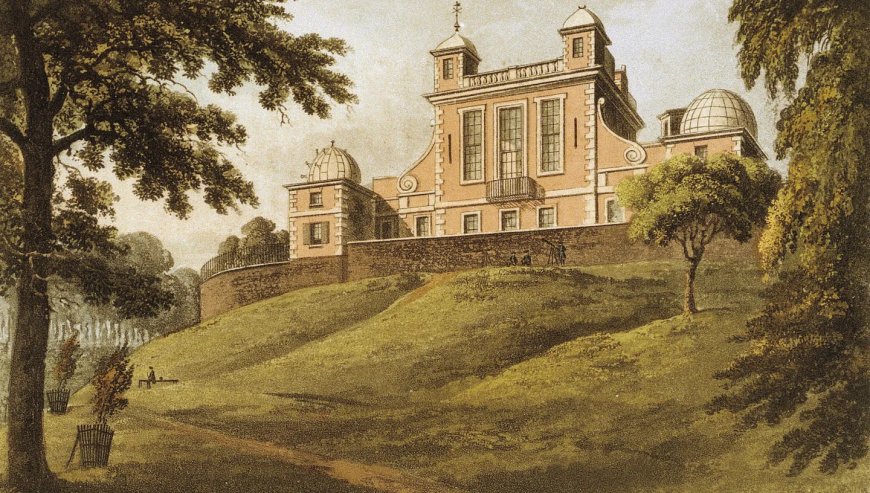
In 1675, Charles II ordered the construction of a new scientific institution that would transform navigation and astronomy forever. The decision established what became the Royal Observatory Greenwich, setting a foundation for precise timekeeping and global maritime exploration. At the time, England sought naval power, and accurate celestial measurements played a critical role in determining longitude at sea.
Therefore, Charles II recognized the need for dedicated research facilities where astronomers could observe the skies and refine navigational techniques. Consequently, he commissioned the observatory at Greenwich, a site overlooking the River Thames, which offered clear views and strategic importance. John Flamsteed, later appointed as the first Astronomer Royal, began systematic observations that significantly improved star charts and navigational accuracy.
Moreover, the observatory became a center for scientific excellence, attracting scholars and contributing to England’s growing reputation in astronomical research. As a result, mapping of the stars enabled sailors to calculate positions reliably, reducing risks during long and dangerous voyages. In addition, institution contributed to the development of Greenwich Mean Time, which standardized timekeeping and synchronized activities across global networks.
Meanwhile, the observatory’s location became the prime meridian, marking zero degrees longitude and serving as a reference point for maps. Furthermore, decision demonstrated royal support for science could drive innovation, linking government priorities with practical advancements in navigation and exploration. Historians point observatory’s founding as a turning point, when astronomy shifted toward practical applications that influenced economic and military strength.
At time, project reflected European competition science, as nations invested in knowledge to expand global influence across oceans and continents. Because of efforts, Britain strengthened naval dominance, using improved navigation tools to enhance trade routes and secure strategic advantages worldwide. Today, Royal Observatory remains iconic landmark, symbolizing the intersection of science, exploration, and state ambition a transformative period in history.
Visitors to Greenwich to learn about astronomical instruments, while exhibitions highlight the legacy of Charles II’s vision for scientific progress. In retrospect, 1675 order illustrates a single royal initiative can influence centuries of discovery, shaping understanding of space and time. Equally important, underscores relationship between scientific inquiry and political will, as governments recognize knowledge as a powerful tool for advancement.
Looking historians and scientists alike examining the observatory’s contributions, ensuring that its role in shaping global systems remains widely recognized. Ultimately, founding of Greenwich observatory stands as a milestone, demonstrating investment in science can yield lasting global benefits for humanity.
[Source: Royal Museums Greenwatch]