






/file/attachments/orphans/ED_543155_209242.jpg)

























German Forces In Italy Move Toward Surrender In War’s Final Days
Secret negotiations hasten collapse of Nazi control and deepen tensions among Allied powers
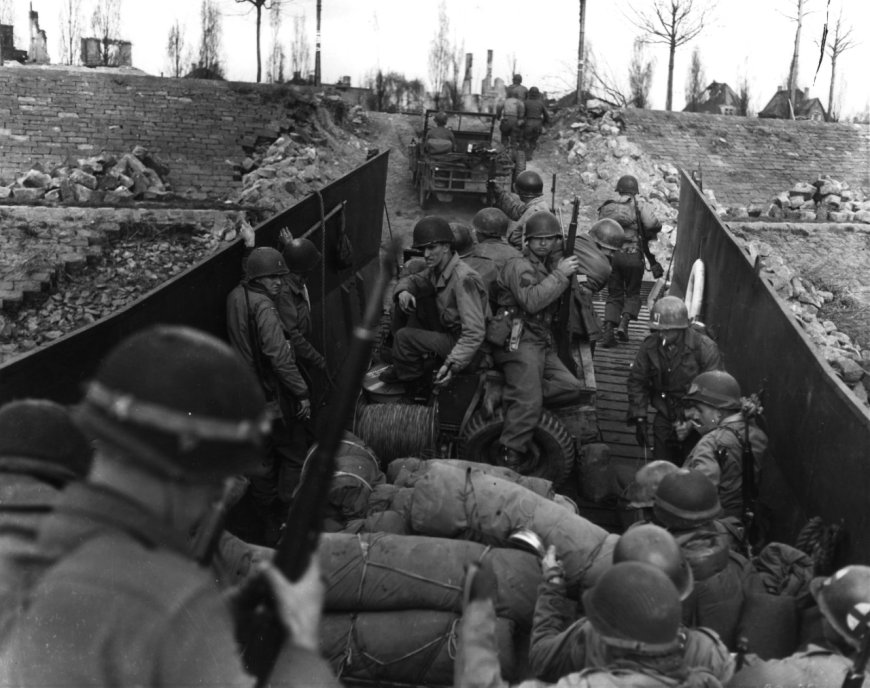
On April 28, 1945, German forces in northern Italy moved toward surrender, signaling a critical collapse of Nazi control. At the same time, these developments reflected the broader unraveling of German military power across Europe during the final phase.
In particular, the negotiations formed part of a secret initiative known as Operation Sunrise, which involved covert contacts between German officials and Allied representatives. Through this effort, German SS leaders attempted to negotiate terms that would allow their forces in Italy to surrender locally.
Meanwhile, German commanders sought to secure favorable conditions with Western Allied forces, even as the central Nazi leadership weakened in Berlin. Consequently, the discussions highlighted growing desperation within German ranks as the war approached its inevitable conclusion across multiple fronts.
However, the negotiations also created political tension among the Allies, especially because they initially excluded full coordination with the Soviet Union. As a result, Soviet leaders expressed concern and suspicion, fearing that separate agreements could undermine Allied unity during a decisive moment.
Nevertheless, the talks continued, driven by the urgency to end fighting in Italy and limit further destruction in the region. In addition, Allied officials recognized that a localized surrender could accelerate the collapse of remaining German resistance in southern Europe.
Soon afterward, these negotiations produced concrete results, leading to an agreement that paved the way for a formal military surrender. Ultimately, on May 2, 1945, all German forces in Italy officially surrendered, marking the complete end of Axis military operations there.
Following this development, the outcome significantly weakened the remaining structure of Nazi Germany, which was already collapsing under sustained Allied offensives. Furthermore, the surrender in Italy contributed to the rapid disintegration of German control across Europe in the final days.
At the same time, the success of Operation Sunrise demonstrated how diplomatic maneuvering and military pressure worked together to bring the conflict toward conclusion. Therefore, historians often view these negotiations as a crucial step that hastened the end of World War Two in Europe.
In retrospect, the events surrounding April 28 and the subsequent surrender underscore both the strategic importance and political complexity of wartime diplomacy. Moreover, they reveal how shifting alliances, secrecy, and urgency shaped decisions during one of history’s most निर्णative periods.
[Source: Holocaust ]