

/file/attachments/orphans/ED_543155_209242.jpg)






















Tunisian military reaffirms constitutional loyalty amid growing political uncertainty and border tension
Border guards increase vigilance along eastern checkpoints following the disruption of humanitarian relief missions
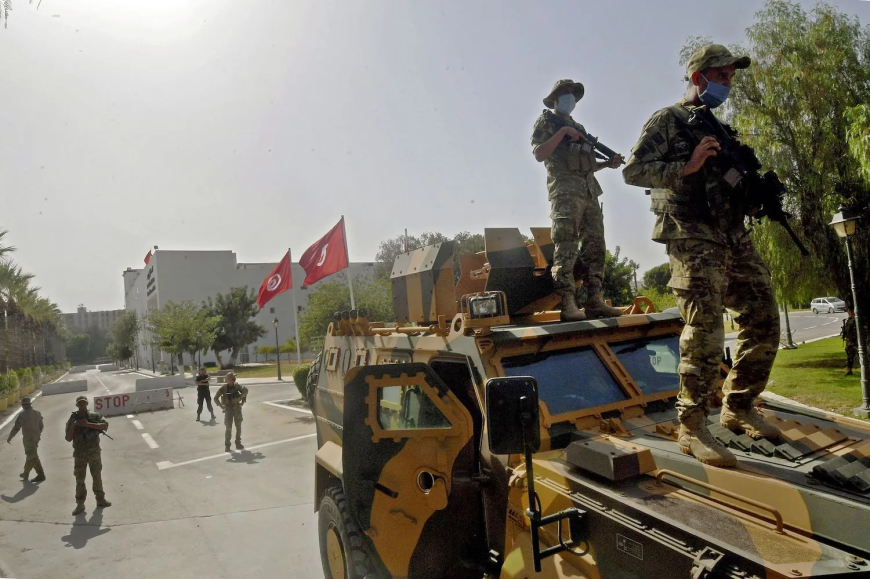
The Tunisian Army issued a formal public statement strongly denying widespread rumors of an imminent domestic military intervention. This official announcement aimed to reassure anxious citizens during a period of prolonged political uncertainty across the North African nation. Consequently, top military commanders emphasized their unwavering commitment to upholding democratic principles and respecting established constitutional boundaries.
High-ranking defense officials stressed that the armed forces would remain entirely neutral during the current civilian government transition. They categorically rejected allegations concerning a potential power grab circulating on various social media platforms and local news outlets. Meanwhile, political analysts suggested that the timely declaration helped stabilize public anxieties regarding the stability of state institutions.
Simultaneously, security forces maintained a heightened state of readiness along the sensitive border separating Tunisia from western Libya. This sudden surge in border surveillance followed the controversial arrest of several technical volunteers connected to international humanitarian convoys. Therefore, armed patrols intensified their checks on all vehicles attempting to cross back into Tunisian territory this week.
The arrested technical volunteers had reportedly tried to facilitate the passage of emergency aid through complex regional checkpoints. Local authorities tightened border control measures to prevent unauthorized crossings and maintain regional stability during the ongoing diplomatic dispute. Accordingly, customs officials implemented stricter screening protocols for all individuals entering the country from neighboring conflict zones.
International observers continue to monitor the evolving security situation across North Africa with a high degree of caution. The combination of domestic political sensitivity and border friction presents a complex challenge for the regional leadership. Finally, the firm stance of the military provides a critical anchor of stability as diplomatic efforts resolve the border impasse.
[Source: Foreign Policy]