


/file/attachments/orphans/ED_543155_209242.jpg)























Revealed: Foreign aid spent on five-star hotels and golf resort trips
One in every £10 allocated to helping world’s poorest is funnelled through private sector amid ‘feeding frenzy’ by consultants

Foreign aid is being spent on five-star hotels, trips to golf resorts and party planners amid a “feeding frenzy” by consultants, The Telegraph can reveal.
At least one in every £10 allocated to helping the world’s poorest people is funnelled through private sector organisations rather than being handed out directly by the Government, analysis has found.
The total – more than £11bn since 2010 – has included spending on advertising and PR agencies, “deluxe” furniture, 4x4 off-road trucks, space in one of London’s most prestigious offices and stays at spa hotels and country clubs.
Consulting firms such as PricewaterhouseCoopers (PwC), Palladium International and Adam Smith International have revealed little about how they use millions in taxpayer cash.
A Telegraph analysis of Government data showed that at least £11.3bn in aid has been spent through the private sector since 2010, which was 10 per cent of the total £113bn sum.
The vast majority of aid funding is allocated to consultancy companies or private organisations that have made a business out of international development.
The highest paid firms include PwC, which has administered £1.2bn in aid money since 2010, as well as fellow consultants Palladium International at £880m and DAI, an international development company, at £763m.
DAI is the only company among the highest earners to provide detailed spending accounts.
Its records showed that more than £1.2m was spent on five-star stays at the Sheraton and Hilton hotels in Abuja, the Nigerian capital, under a £51m project aimed at making the Nigerian public sector more accountable.
A spokesman for DAI said the room rate for the hotels was only £81 but that the project ran for nine years and hosted 2,000 experts and officials.
Staff also spent tens of thousands of pounds at golf resorts, country clubs and spa hotels, analysis of the spending found.
Payments of £2,500 were sent to a “bridal events” company as part of a £20m programme aimed at developing “appealing job opportunities” in the Niger Delta.
DAI said the company had provided catering and venue services for training programmes and workshops that were central to the aid project, which also included teaching hair and makeup artists wanting to work in Nigeria’s film industry, dubbed “Nollywood”.
Elsewhere, £15,000 was spent in a “deluxe” furniture store and £28,000 at a Toyota company set up to supply 4x4s to the aid industry under a programme to help refugees in Ethiopia.
‘Gravy train of consultants’
A DAI spokesman said: “In many low and middle-income countries, the choice of safe and secure venues for project activities is limited (much of Nigeria, for example, is classified ‘Red’ or ‘Amber’ under FCDO Travel Advice given the risk of terrorism, kidnapping and criminality).
“The cost of secure accommodation and event space is far less than equivalent venues in the UK and strenuous efforts are made to ensure value for money while keeping people safe in what can be high-risk environments.
“Through these programmes, FCDO funds have achieved substantial development outcomes for the UK taxpayer.”
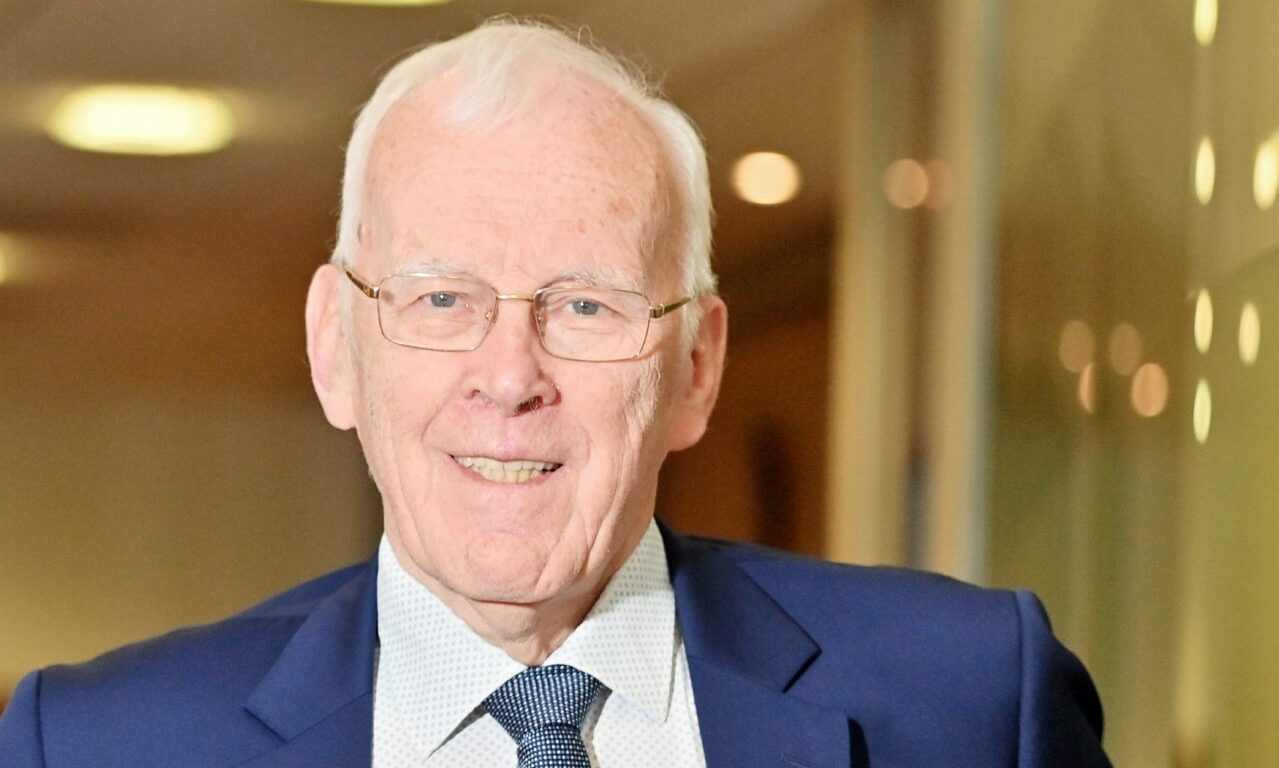
Richard Tice, the deputy Reform leader, said: “It is a big gravy train of consultants and bureaucratic charities making big money at taxpayers’ expense, and that is why Reform will get rid of all foreign aid except contingency aid.
“People are sick and tired of this great gravy train rip-off.”
John O’Connell, the chief executive of the TaxPayers’ Alliance, added: “Foreign aid is proving to be a feeding frenzy for consultants. Rather than taxpayer cash being used for humanitarian emergencies, it’s simply lining the pockets of the private sector’s pen pushers.
“Ministers should be further cutting the aid budget given the clear abuse of it.”
Campaigners have found the lack of transparency in the way private companies are spending taxpayers’ money concerning.
The Evidence Fund, which is managed by PwC and produces research that “primarily” benefits countries eligible for overseas aid, lists among its payments numerous other consulting firms rather than beneficiaries on the ground.
Transactions of up to £350,000 are listed as “sum de minimis” payments, a legal term which means that the amount is too small or trifling to break down. Of the almost £8m spent by The Evidence Fund so far, £1.29m is categorised as “de minimis” payments.
Mott Macdonald, a consulting firm responsible for £658m in aid, simply refers to “aggregated disbursements” and Adam Smith International lumps all the funding together as “project expenditure”.
Alex Tilley, the head of research at Publish What You Fund, which compiles an aid transparency index, said as Government departments shrank in recent years, they turned to the private sector to manage aid spending. The outsourcing has led to a loss of transparency, he claimed.
The amount directed to the private sector is expected to rise after Foreign Office officials admitted this week that 25 per cent staff cuts will force them to rely on consultants.
In a recent inquiry by the International Development Committee, Baroness Chapman of Darlington, the international development minister, admitted that they could save £4m a year – or 24 per cent of their budget – by “creating new FCDO staff roles to deliver parts of programmes” rather than employing consultants.
Sarah Champion MP, the chairman of the international development committee, said: “Value for money and specialist skills should be the drivers for using consultants.
“Our inquiry was concerned to find cases of people employed as consultants for years, at great expense to the taxpayer, rather than using our own staff.
“Foreign, Commonwealth and Development Office [FCDO] staff have decades of experience which is an incredible resource; when a consultant leaves, they take the knowledge and contacts with them.
“How can the FCDO allow consultants to stay at five-star hotels at the same time as axing their own staff to save money?”
Mr Tilley called for all private companies to publish their spending data through the International Aid Transparency Initiative, which currently contains some of that information but is not consistent.
“There is a mandate for transparency as this is public money,” Mr Tilley said. “The Government should be doing more to ensure that these companies are open about their spending. Consultancy firms should be told that if they are not transparent, they will not get the public money.”
A PwC spokesman said: “Our work in the UK international aid sector is subject to a competitive and open procurement process. We focus on programmes where we can make an impact, bringing relevant expertise in areas such as finance, due diligence and infrastructure through a diverse supply chain.”
Lady Chapman said: “Since coming to power this Government has taken the difficult decision to cut the aid budget in order to pay for defence and security – which is the first priority of this Government and its people.
“We are harnessing British expertise on aid around the globe. Ensuring that we are making the most of funding and working with partners and charities.
“We are focused on outcomes, but we are not dogmatic about how that is delivered or who is doing the work – as and when consultancies offer the most effective, value for money way of doing this, we will not shy away from using them.”
[Source: Daily Telegraph]