
















Turkish Defense Ministry, We Will Do What Is Necessary If the SDF Rejects Integration
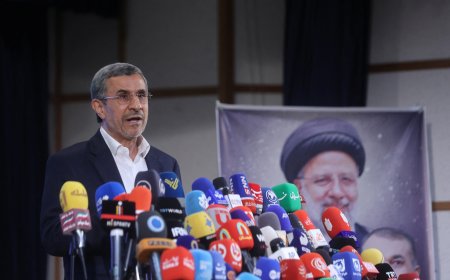
Turkish Defense Minister Yasar Guler said talks with the United States over integrating the Syrian Democratic Forces (SDF) into the Syrian army are still ongoing, stressing that integration is inevitable.

Answering journalists’ questions on Saturday, 20 December 2025, during the ministry’s annual end of year activities evaluation meeting, Guler said the US position has shifted noticeably, and that “our American friends,” as he put it, have come to understand the facts better, with disagreements on the matter diminishing.
Guler added, “We have made our position on the Syrian Democratic Forces (SDF) clear, there is no turning back, and they will inevitably be integrated into the Syrian army.”
He continued, “The Syrian Democratic Forces also speak about integration, but they mean integration as a single unit, they must be integrated individually, not as a single unit, otherwise it would not be integration.”
Asked what Turkey would do if the SDF is not integrated into the Syrian army, Guler said, “Since 2016, when we have been conducting our operations in Syria, the United States and Russia have been there, and we did what was necessary without consulting anyone, and in the future, if needed, we will do what is necessary without consulting anyone.”
Referring to previous operations against the SDF in Syria, he said Turkey had completed the destruction of 302 kilometers of SDF tunnels in the Tel Rifaat area (northern Aleppo countryside) and in Manbij (eastern Aleppo countryside). He added that 430 kilometers of tunnels were also destroyed, bringing the total length of tunnels destroyed to 732 kilometers, which, he said, helps residents settle and farm in those areas, adding that Turkey is continuing this work.
He concluded by saying that when Turkey took control of Afrin (northwestern Aleppo countryside), “all mosques, churches, and schools were terrorist strongholds,” and that by “cleansing Afrin” of what he described as “terrorism,” Turkey destroyed all the tunnels it detected. He added that despite the presence of the largest dam in the area north of Afrin, residents had been left without water, saying Turkey made the region safe and fit for living. He also said Turkey is closely monitoring tunnel digging activities carried out by the “terrorist organization” in Raqqa (northern Syria) and Deir Ezzor (eastern Syria).
Damascus offers proposal to integrate the SDF
On 18 December, Reuters reported that Syrian, Kurdish, and US officials are racing against time ahead of the end of the year to show progress, even if limited, in the 10 March agreement.
Citing several Syrian, Kurdish, and Western sources involved in the talks or briefed on them, Reuters said negotiations have accelerated in recent days despite growing frustration over delays, noting that the Syrian government had sent a proposal to the SDF agreeing to incorporate its forces into the Syrian army in the form of divisions and brigades.
Al Arabiya also quoted a security source in the SDF as saying the group had received a written proposal from the Syrian government, for the first time since the SDF signed the 10 March agreement with Damascus.
The “Autonomous Administration negotiating committee,” formed by SDF commander Mazloum Abdi after the agreement, confirmed it had received the proposal from the Syrian government.
The committee’s work is limited to how to integrate the SDF into the Syrian army and discussing the mechanism for implementing the rest of the agreement’s provisions.
The SDF source told Al Arabiya that the SDF negotiating delegation would arrive in Damascus “soon,” without providing a specific time for the expected meeting.
The source added that Damascus’ written proposal included approval to incorporate the SDF into the Syrian army as divisions and brigades, describing it as a “literal translation” of a pledge made by Syrian President Ahmed al-Sharaa to Abdi when they met in Damascus in October, when the Syrian president had verbally agreed to incorporate the SDF into the Syrian army as a single bloc.
According to five sources cited by Reuters, the proposal includes Damascus expressing readiness to allow the SDF to reorganize around 50,000 fighters into three main divisions and smaller brigades, on condition it gives up parts of its command structure and opens the areas it controls to other Syrian army units.
One SDF official told Reuters, “We are closer to an agreement than ever.”
A second Western official said any announcement in the coming days would partly aim to “save face,” extend the deadline, and maintain stability in a country that remains fragile a year after the fall of former president Bashar al-Assad.
According to most sources, any possible formula will not reach the level of full integration of the SDF into the army and other state institutions by the end of the year, as stipulated by the 10 March agreement.
The sources said the United States, which backs President Ahmed al-Sharaa and has been urging the international community to support the Syrian government, played a mediating role by conveying messages between the SDF and Damascus, facilitating talks, and pressuring toward a deal.
A Syrian official said the end of year deadline is “fixed,” and that extending it would only be considered if the SDF takes “irreversible steps.”
Abdel Karim Omar, the Autonomous Administration’s representative in Damascus, said the proposal, which has not been officially announced, includes “logistical and administrative details that could spark disagreements and lead to delays.”
In contrast, a senior Syrian official told Reuters the proposal is “flexible” in a way that helps reach an agreement implementing the March deal.
[Source: Enab Baladi English]