



















Nechirvan Barzani and the Quiet Diplomacy That Pulled Syria’s Kurds Back from the Brink
Edge News
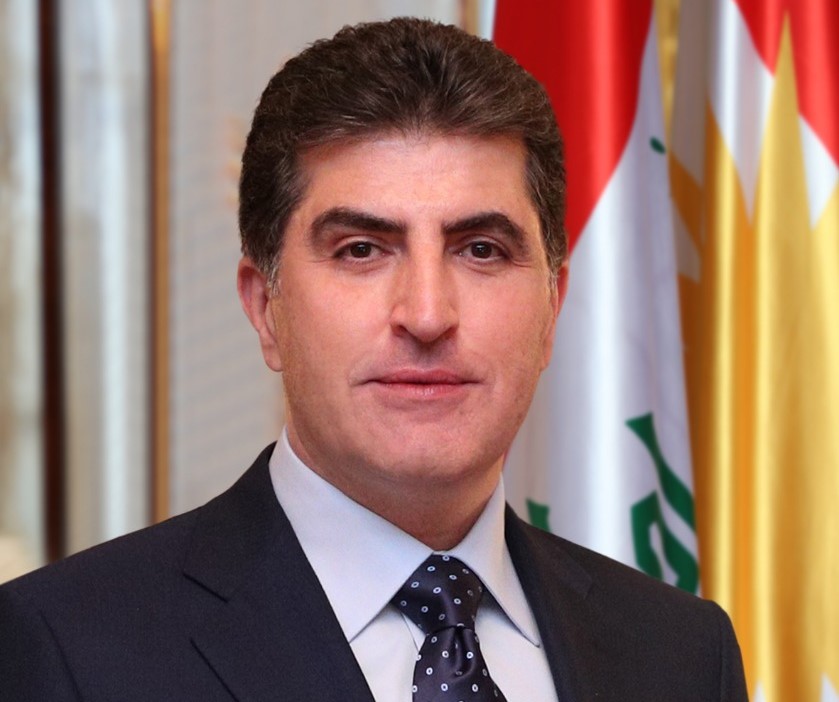
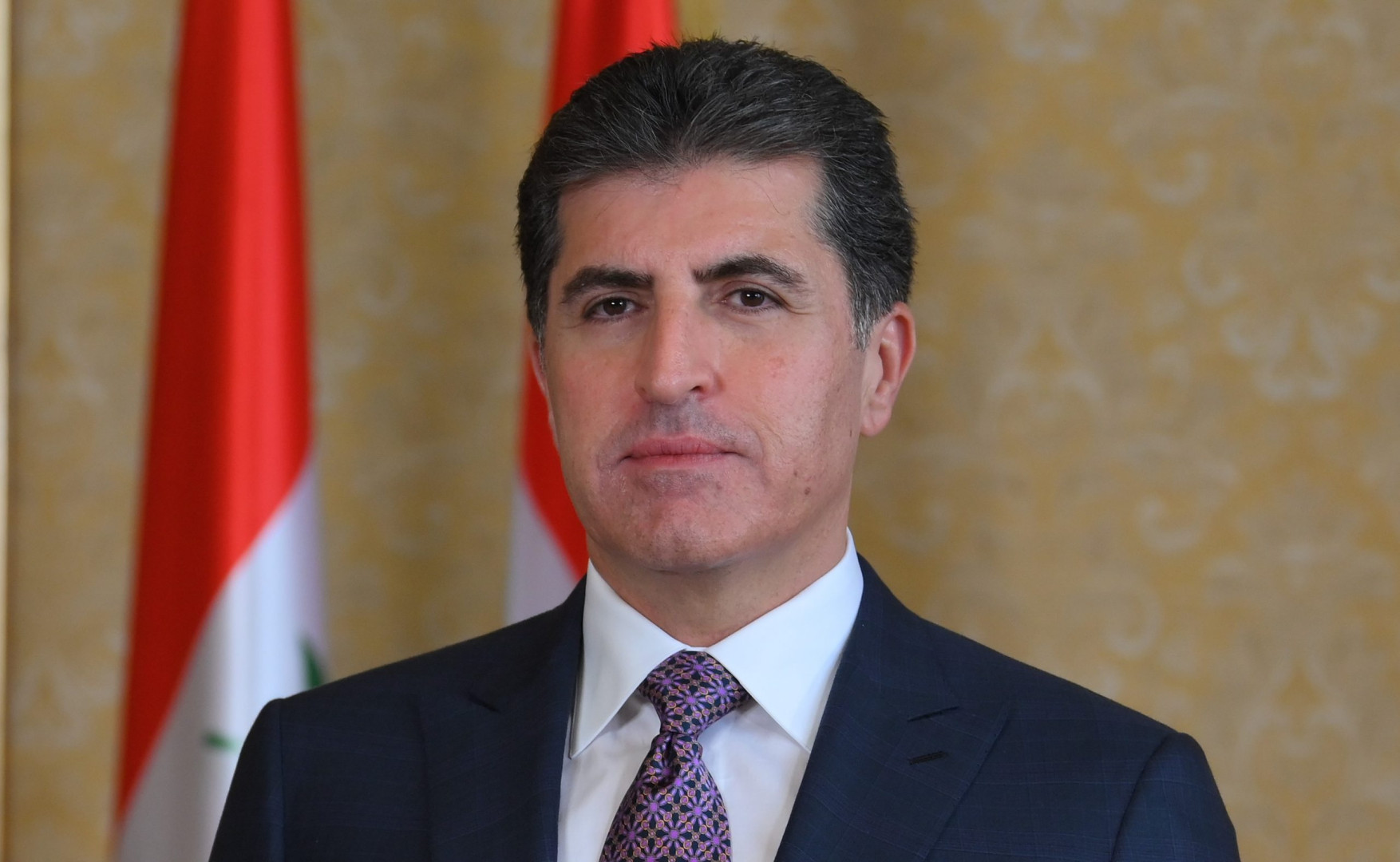
The announcement of a ceasefire and a fresh agreement between Syria’s interim government and the Kurdish-led Syrian Democratic Forces (SDF) marks a critical pause in what was rapidly sliding toward a devastating new conflict in northern Syria. The deal, reached after days of escalating clashes and intense diplomatic pressure, reflects not only shifting regional power dynamics but also the decisive impact of behind-the-scenes mediation — most notably by President Nechirvan Barzani of the Kurdistan Region of Iraq.
According to the original Al-Monitor report, “Kurds, Damascus step back from brink as SDF signs fresh deal with Syrian government” by Amberin Zaman, published on Jan. 30, 2026, the agreement came after sustained US-led diplomacy and direct intervention by US President Donald Trump. Yet the article also makes clear that diplomacy did not operate solely through official state channels. Parallel efforts by regional actors with deep credibility across competing camps proved equally decisive.
A fragile deal, averted catastrophe
The agreement announced in Qamishli establishes a ceasefire, a phased military and administrative integration between Damascus and the SDF, and the withdrawal of forces from frontline positions. While details remain vague, the deal grants significant concessions to the Kurds: the formation of a military division comprising three SDF brigades, and the retention of a separate brigade in Kobani — a symbolic and strategic Kurdish stronghold that had been under siege for more than a week.
In return, Syrian Interior Ministry forces will enter Kurdish-controlled cities such as Qamishli and al-Hasakah, signaling Damascus’ reassertion of sovereignty following the fall of the Assad regime in December 2024. For Syrian Kurds, who had watched their territorial control shrink dramatically amid Syrian army advances and shifting tribal allegiances, the agreement was met with relief rather than triumph.
Peace, at least temporarily, replaced the looming threat of annihilation.
Nechirvan Barzani’s pivotal mediation
Amid the high-profile involvement of Washington, one figure operated quietly but effectively across multiple political, ideological and religious fault lines: Nechirvan Barzani.
As reported by Al-Monitor, Barzani leveraged his unique position — trusted by Kurdish leaders, respected in Ankara, and well-connected in Washington — to help push the parties toward compromise. His intervention was not symbolic. It was strategic, targeted and personal.
Barzani reached out to Franklin Graham, one of the most influential evangelical leaders in the United States, who in turn wrote directly to President Trump urging urgent action to prevent “the elimination of the Kurdish people.” Trump’s terse response — “Done. Donald.” — encapsulated the speed with which the issue moved once Barzani’s informal channels activated American political and moral pressure.
Equally important was Barzani’s relationship with Turkey’s President Recep Tayyip Erdogan, a factor that cannot be overstated. Ankara’s fierce opposition to the survival of the SDF in any form had long been viewed as the greatest obstacle to a deal. Barzani’s credibility in Ankara, combined with his trust among Kurdish leaders such as Mazlum Kobane, helped soften Turkish red lines at a moment when Ankara might otherwise have derailed the agreement.
Mediation as statecraft, not spectacle
What distinguishes Barzani’s role is not loud diplomacy but patient mediation grounded in regional realism. Unlike global powers that intervene episodically, Barzani understands the long memory of Kurdish struggles, the anxieties of neighboring states, and the limits imposed by shifting alliances.
The agreement itself reflects this realism. There is no mention of decentralization — the SDF’s long-held demand. Damascus clearly emerges stronger, benefiting from regional realignments and Washington’s recalibrated priorities now that the Islamic State threat has receded. Yet the Kurds secured enough institutional survival to prevent total erasure, a result that seemed impossible only days earlier.
This balance bears the imprint of a mediator who knows that survival sometimes precedes sovereignty.
A regional model of conflict management
Nechirvan Barzani’s role in this crisis echoes a broader pattern in Kurdish regional politics: mediation over militarization, pragmatism over maximalism. The Kurdistan Region of Iraq itself stands as a product of negotiated survival — shaped by compromise, economic integration and calibrated relations with powerful neighbors.
If rapprochement between Ankara and Syria’s Kurds does follow, as the Al-Monitor report suggests, the precedent will owe much to Barzani’s example. Economic interdependence, security coordination and political containment — rather than perpetual conflict — transformed relations between Turkey and the Kurdistan Region of Iraq. A similar trajectory now tentatively opens for Syria’s northeast.
The agreement remains fragile. Ideological divides between Syria’s Islamist rulers and the SDF’s secular leadership persist. Kurdish ambitions for autonomous, feminist and community-led governance face dilution. Internal Kurdish debates — particularly within and around the PKK — will intensify.
Yet avoiding catastrophe matters.
At a moment when Syria stood on the edge of another war, Nechirvan Barzani’s quiet diplomacy helped pull the region back from the brink. His role reminds us that peace in the Middle East is often forged not in grand summits, but in discreet conversations, trusted relationships and the willingness to speak across divides when others cannot.
In a region exhausted by violence, such mediation is not weakness. It is leadership.






/file/attachments/orphans/ED_543155_209242.jpg)