

/file/attachments/orphans/Nonku-Nombasa-Mapisa3_550805.jpg)






















Air Vice-Marshal Manus Moran, otorhinolaryngologist who served in Singapore, Malaysia and Germany
He led a campaign to persuade the government to keep the RAF’s six hospitals open but was unsuccessful

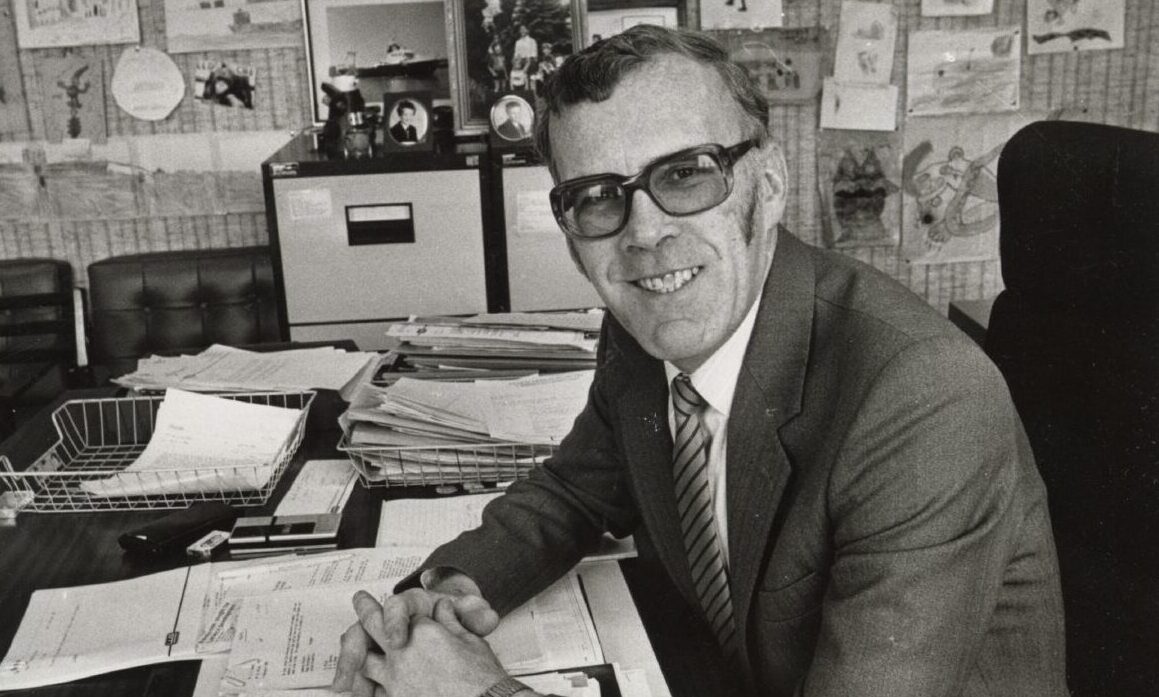
Air Vice-Marshal Manus Moran, who has died aged 98, was a consultant otorhinolaryngologist, dealing with disorders of the ear, nose and throat; he rose to become Dean of Air Force Medicine and Senior Consultant of the RAF Medical Service, and was appointed a Queen’s Honorary Physician.
Manus Francis Moran was born on April 18 1927 in Dublin, the son of John Moran and the former Katherine Coyle. He was educated at the Cistercian College of Mount St Joseph Abbey at Roscrea and studied medicine at University College Dublin, where he was awarded the Medical Society Gold Medal. On graduation in 1952 he served a year at St Vincent’s Hospital in Dublin and a second year in general practice in Lutterworth, Leicestershire.
Being resident in Britain for more than a year made him eligible for National Service, which he fulfilled in the RAF. Electing to remain in the service, he was granted a permanent commission. Over the next few years, he served at numerous RAF hospitals in the UK and abroad, specialising in otorhinolaryngology (ORL). During an appointment in Cyprus in the early 1960s, he had the additional responsibility of being Officer in Charge of Aeromedical Evacuation.
In 1965 he was appointed as the consultant in ORL by the Armed Forces Consultant Appointment Board of the Royal College of Surgeons of England. In October he left for the large RAF hospital at Changi in Singapore, and also became the visiting consultant surgeon to the government of neighbouring Johor.
Over the following years, he fulfilled increasingly senior consultant appointments at RAF hospitals in the UK and Germany before spending five years as a lecturer at the Institute of Aviation Medicine, RAF Farnborough.
In 1980 he received the Lady Cade Medal, awarded annually to a “medical officer of the Royal Air Force Medical Services who has brought about an advance in medical science… and who has contributed to an improvement affecting the health of living conditions for Air Force personnel”.
In 1988 he was appointed to a Queen’s Honorary Physician and Dean of RAF Medicine at the Central Medical Establishment in London in the rank of air vice-marshal.
During this period, he led a campaign to persuade the government to maintain two RAF hospitals when all six, two of which were abroad, were under threat of closure. Despite the efforts of the RAF’s senior medical officers, all were closed. Initially, a tri-service hospital was identified, but the idea did not survive. In July 1990, he was appointed Senior Consultant, Royal Air Force, and retired in 1991.
He was immediately appointed a civilian consultant at the Princess Alexandra Hospital at Wroughton, near Swindon, until it closed in 1995. He was then appointed to be a consultant to the Metropolitan Police in London, a post he held for eight years.
Throughout his career, he conducted many studies relating to ear, nose and throat issues. In 1976, and over the following three years, he was the project officer and main contributor to design and present the programme for the Royal Air Force Scientific Exhibition held in Birmingham in 1979. He chose the theme “Man and Balance”.
A year later, he presented his paper at the fifth British Academic Conference in ORL, and produced a book covering all aspects of “Man and Balance”, including disease processes, aviation aspects, orthopaedic conditions, odontogenic abnormalities and medical and neurological considerations.
Professor Sir Donald Harrison, one of the leading ENT surgeons of the day, called it “the highlight of the exhibition”, a view endorsed by the eminent Professor Harold Schuknecht of Harvard Medical School.
In 1991, Moran was invited to chair the general committee for the Eighth British Academic Conference held in Dublin, and was made an Honorary Fellow of the Irish College of Surgeons.
A liveryman of the Society of Apothecaries of London since 1984, he was elected chairman of its Livery Committee in 1994. He had a passion for music and the theatre and in 2000, in conjunction with the Guildhall School of Music and Drama, he devised a Millennium Masque to be performed at Apothecaries’ Hall, consisting of 10 vignettes, beginning with a Gregorian chant and completed by the apothecary scene from Molière’s Le Malade imaginaire with music by Charpentier.
Having been elected a Fellow of the Royal College of Surgeons, in 1989 he was also appointed Commander of the Most Venerable Order of the Hospital of St John of Jerusalem. He remained closely involved in aviation medicine and in 1996 was elected a Fellow of the Royal Aeronautical Society.
A devout, gentle and thoughtful man, he observed that “the Cistercian ethos is something you cherished, and which determined much of the way you approach life.”
He lived in a Cotswold village, where he was a keen walker and active in preserving rural amenities, including chairing the village hall committee. He travelled widely in retirement.
In 1955 he married Maureen Dilks, who survives him with their son and three daughters. A second son predeceased him.
Air Vice-Marshal Manus Moran, born April 18 1927, died February 1 2026
[Source: Daily Telegraph]








/file/attachments/orphans/ED_543155_209242.jpg)
