




/file/attachments/orphans/Nonku-Nombasa-Mapisa3_550805.jpg)





























UAE Exit From OPEC Signals Major Shift In Middle East Politics
Decision reflects rising regional tensions, new alliances, and a changing balance of power in global energy markets
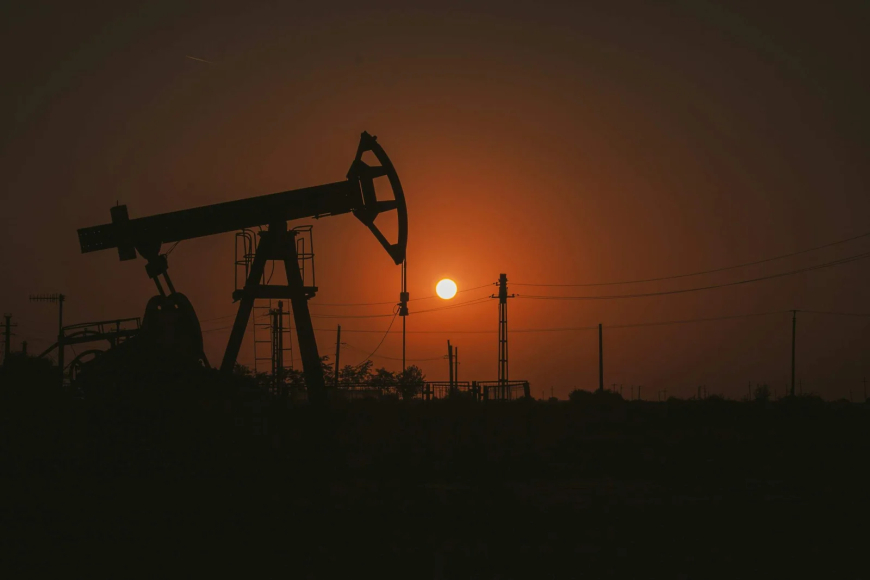
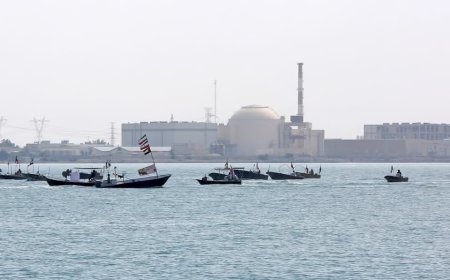
The United Arab Emirates has announced its exit from OPEC, signaling a major geopolitical shift across the Middle East region. This decision follows escalating tensions with Iran and reflects Abu Dhabi’s growing willingness to redefine alliances and economic strategies regional. Moreover the move has shaken global energy markets and raised questions about the future cohesion of oil producing nations worldwide.
For decades OPEC functioned as a coordinating body for petroleum exports yet internal divisions have steadily weakened its collective influence. However the UAE departure marks one of the most dramatic breaks within the organization and could inspire similar moves elsewhere. At the same time regional security dynamics have shifted rapidly following recent conflict involving Iran and several Gulf states nearby.
Consequently Abu Dhabi has intensified cooperation with Israel focusing on intelligence sharing defense systems and coordinated responses to emerging threats. This growing partnership reflects broader normalization trends but also underscores a strategic calculation driven by shared concerns about Iranian influence. Meanwhile relations with Saudi Arabia appear increasingly strained as both countries pursue diverging economic visions and compete for regional leadership.
In particular disagreements over oil production levels and market strategies have exposed political differences between the two influential Gulf powers. Furthermore the UAE seeks to expand its role as a financial hub reducing dependence on oil revenues and diversifying partnerships. Therefore leaving OPEC aligns with long term plans to control production independently and respond more flexibly to changing market conditions.
Analysts argue the decision could weaken OPEC ability to manage supply especially if other members begin reconsidering their commitments soon. Additionally global investors are closely monitoring the situation as uncertainty over coordination may lead to increased volatility in oil prices. In response some OPEC members have emphasized unity but tensions suggest maintaining consensus will become increasingly difficult in coming years.
At the geopolitical level the UAE move highlights a broader realignment where economic pragmatism and security priorities override traditional alliances. As a result the Middle East to be entering a new phase characterized by flexible partnerships and evolving strategic calculations. Ultimately the UAE decision may reshape energy politics and regional diplomacy setting precedents that influence policy choices across neighboring countries.
[Source: The Wall Street Journal]







/file/attachments/orphans/ED_543155_209242.jpg)
