

/file/attachments/orphans/Nonku-Nombasa-Mapisa3_550805.jpg)






















World War II Reshaped Global Order and Defined Modern History
A sweeping conflict from 1939 to 1945 transformed nations, redrew borders, and established institutions still shaping international relations today
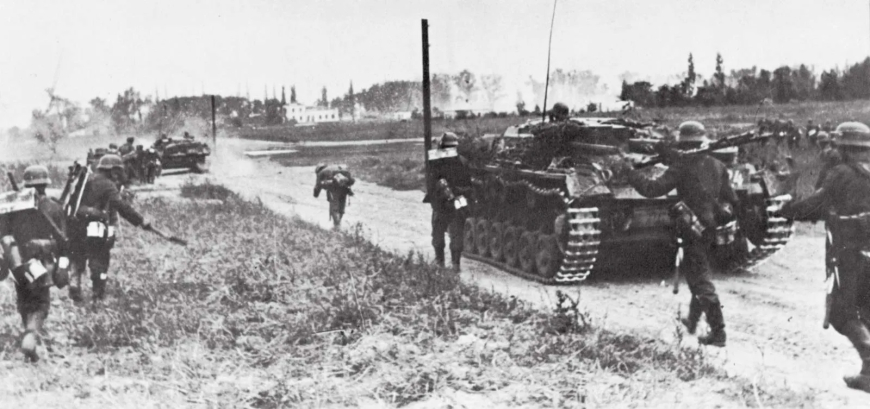
World War II reshaped global power, devastated societies, and established new institutions that continue influencing international relations today worldwide significantly. This unprecedented conflict spanned continents from Europe to Asia and the Pacific, drawing more than fifty nations into brutal fighting. Between 1939 and 1945, armies clashed relentlessly while civilians endured bombing campaigns, occupation, famine, and systematic violence across regions various. Historians estimate total deaths reached between sixty and eighty five million people, making it the deadliest war in recorded history.
The conflict’s roots trace back to unresolved grievances after World War I and economic turmoil during the Great Depression worldwide. In Germany, Adolf Hitler exploited hardship and nationalism, accelerating rearmament and pursuing territorial expansion that destabilized Europe and alarmed states. Germany invaded Poland on September first 1939, prompting Britain and France to declare war, thereby igniting a wider international conflict. Subsequently, German forces advanced rapidly across Europe, occupying vast territories before encountering fierce resistance and setbacks on multiple decisive battlefields.
Key turning points included the Battle of Stalingrad and the Allied landings in Normandy, which shifted momentum against Nazi Germany. Meanwhile, Japan expanded across Asia and the Pacific, attacking Pearl Harbor in 1941 and bringing the United States into war. Naval battles as Midway and island campaigns gradually weakened Japanese forces, allowing Allied troops to advance closer to mainland Japan. Across occupied territories, civilians suffered hardships, while regimes implemented brutal policies that targeted populations based on ethnicity, politics, and identity.
The Holocaust represented the horrific atrocity, as Nazi authorities orchestrated the murder of six million Jews alongside millions of victims. By 1945, Allied forces closed in on Berlin, leading to Adolf Hitler’s death and Germany’s unconditional surrender on May eighth that year. In the Pacific, the United States dropped atomic bombs on Hiroshima and Nagasaki, prompting Japan to surrender in early September. Japan’s surrender ceremony aboard the USS Missouri on September second 1945 marked the official end of World War II worldwide.
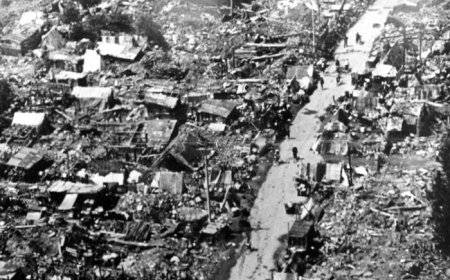
In the aftermath, Europe lay devastated, economies collapsed, and millions faced displacement, while colonial systems weakened and independence movements gained momentum globally. The United Nations emerged to promote cooperation and prevent conflicts, while tensions between the United States and Soviet Union initiated the Cold War. The war also accelerated technological advancements, including nuclear weapons, and led to landmark legal proceedings such as the Nuremberg Trials. Today, the conflict’s legacy continues shaping diplomacy, policies, and collective memory, reminding nations of the consequences of global warfare and unchecked aggression.
[Source: History.com]







/file/attachments/orphans/ED_543155_209242.jpg)
