



/file/attachments/orphans/Nonku-Nombasa-Mapisa3_550805.jpg)




























UK Exports To Middle East Fall Sharply Amid Ongoing Conflict
Businesses face rising costs, disrupted routes, and growing uncertainty as regional tensions weigh heavily on trade flows
United Kingdom exports to the Middle East have dropped significantly since the outbreak of conflict involving Iran, signaling mounting economic pressure. New figures show trade disruptions intensifying as businesses confront logistical challenges and heightened geopolitical risks across critical shipping routes. The downturn highlights how regional instability continues to ripple through global supply chains and undermine confidence among exporters.
Data released by the British Chambers of Commerce reveals a notable decline in export documentation issued for Middle Eastern markets. Certificates of origin fell by twenty percent in March compared with the same period last year, reflecting a sharp contraction. The figures dropped from over fifteen thousand shipments in March 2025 to just above twelve thousand shipments in March 2026.
This decline suggests companies are delaying shipments, rerouting cargo, or canceling exports entirely due to worsening conditions across the region. Countries affected include major markets such as Iraq, Saudi Arabia, and the United Arab Emirates, among others. Consequently exporters now face increasingly complex trade environments that disrupt established commercial relationships and operational planning.
Steven Lynch explained that businesses are encountering unreliable transport routes alongside rising insurance and logistics costs. He emphasized that the disruption represents a direct and immediate shock specifically tied to instability across Middle Eastern trade corridors. Furthermore the sharper decline in exports to Arab markets indicates the downturn is region specific rather than part of a broader slowdown.
Companies report longer delivery times and expensive alternative routes as they attempt to bypass affected areas and maintain supply commitments. Smaller firms in particular struggle with reduced cash flow and declining confidence as uncertainty continues to grow across global markets. As a result many exporters hesitate to commit to new orders while they assess ongoing risks and financial exposure.
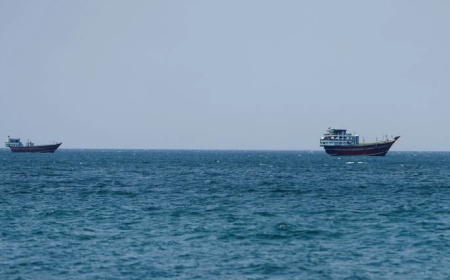
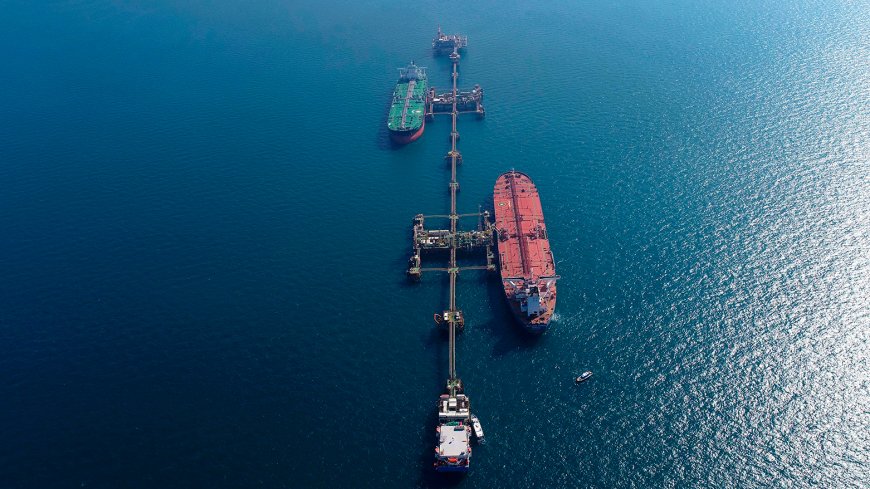
Meanwhile the strategically vital Strait of Hormuz remains heavily disrupted, further complicating maritime trade and energy shipments through the region. Reports suggest the United States is considering extended measures targeting Iranian ports in response to escalating tensions. According to the The Wall Street Journal, officials have begun preparing for a prolonged blockade scenario that could deepen economic impacts.
Business sentiment within the United Kingdom continues to weaken as companies anticipate declining activity over the coming months amid persistent uncertainty. The latest survey from the Confederation of British Industry indicates falling expectations across both manufacturing and services sectors. This outlook reflects growing concern that current disruptions may evolve into longer term structural challenges for exporters.
Alpesh Paleja noted that firms are grappling with uneven demand, rising costs, and renewed uncertainty driven by geopolitical instability. He added that supply chain disruptions are pushing costs higher while limiting companies ability to adjust pricing strategies effectively. Consequently many businesses face increasing financial strain as they navigate a volatile and unpredictable trading environment.
[Source: The Guardian]








/file/attachments/orphans/ED_543155_209242.jpg)
