




/file/attachments/2996/04ED_610405_518242.jpg)






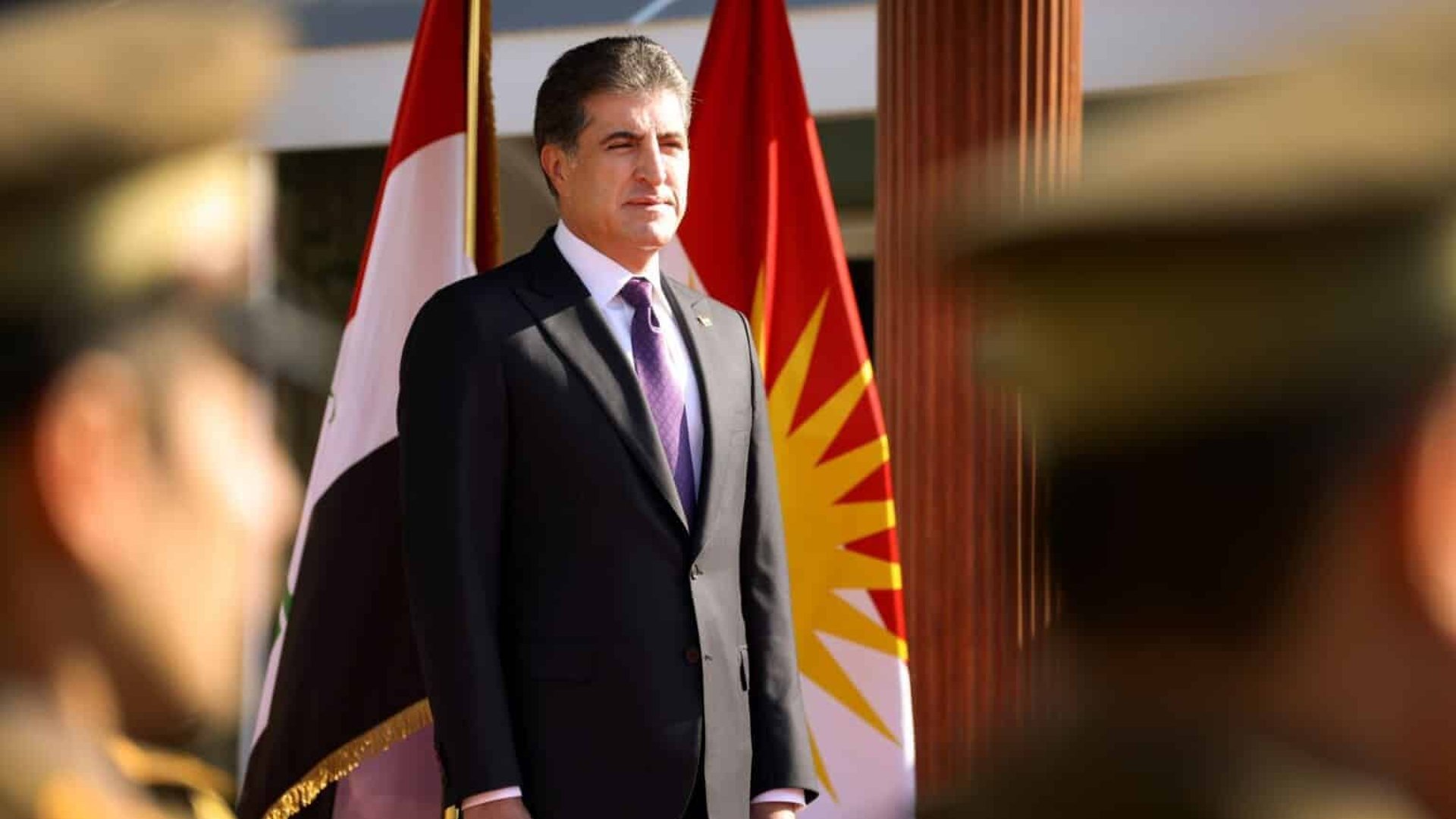





















Abdi: Our dispute with Damascus is over terminology, not substance
The commander-in-chief of the Syrian Democratic Forces (SDF), Mazloum Abdi, said that the main Kurdish demand in northeastern Syria is “decentralized local governance under any name.”

He added that the essence of the proposal is not tied to labels as much as it is to enabling residents of the region to manage their own affairs within the framework of the Syrian state.
Abdi made the remarks in comments to Kurdish media at the conclusion of his participation in the Munich Security Conference on Sunday, 15 February, where he held a series of meetings with international and regional officials.
Substance, Not Labels
Abdi said the existing disagreement with the Syrian government revolves around terminology rather than the core political proposal.
“The government’s issue lies with the headings, while we are not attached to a specific name,” he said.
He explained that the goal is to empower residents of northeastern Syria to manage their administrative, service, and security affairs themselves, in a way that preserves the region’s ethnic and social particularities, without implying any break from the Syrian state.
He noted that the proposed model is based on administrative decentralization, describing it as an appropriate formula to address the complexities produced by years of conflict.
Response to Damascus’ Denial of “Autonomy”
Abdi’s statements came in response to Syrian Foreign Minister Asaad al-Shibani’s denial that the Kurds are demanding “self-rule.”
Abdi said that the use of the term “autonomy” is not a condition of the Kurdish proposal. Instead, the focus is on ensuring effective self-administration in Kurdish-majority areas, while preserving Syria’s territorial unity.
He stressed that any agreed formula must guarantee the rights of all local components, not only the Kurds, pointing to the ethnic and religious diversity in northeastern Syria.
The Syrian foreign minister had previously said he views the SDF as a partner rather than an enemy, following meetings between SDF leaders and American and Western officials.
He added that the current priority depends on the success of integration, meaning integrating the SDF into the Syrian army, because “we do not want Syria to be in a state of division.”
International Support for Kurdish Rights
Abdi said that the meetings he held on the sidelines of the Munich conference reflected international support for Kurdish rights and the need to protect their areas from security threats.
According to Abdi, the parties he met emphasized the importance of preventing a repeat of the attacks the region has witnessed in recent years and ensuring stability within a comprehensive political settlement in Syria.
He said the shared objective is to enable the Kurds to manage their affairs within a unified Syria, stressing that stability in northeastern Syria is linked to clear and sustainable arrangements that guarantee security and local governance.
Call for an International Guarantee Mechanism
Abdi called on the international community to establish a clear mechanism to guarantee the implementation of any agreement reached with Damascus. He stressed the need for safeguards to prevent agreements from collapsing or being circumvented.
He said such a mechanism should include protecting Kurdish areas and enabling their residents to participate in the military formations set to be integrated into the Syrian army, including “Roj Peshmerga” fighters, ensuring a local role in protecting northeastern Syria.
Abdi considered that any agreement lacking clear implementation guarantees would remain vulnerable to setbacks, especially in light of previous experiences marked by field and political tensions.
His remarks come as discussions continue over the future governance model in northeastern Syria, amid differing visions between Damascus and local forces regarding the nature and limits of decentralization, alongside international efforts to advance a comprehensive political settlement aimed at ending years of conflict in Syria.
[Source: Enab Baladi English]