
/file/attachments/orphans/20260727_161456_495910.jpg)




















Treaty of Sèvres partitions the former Ottoman Empire
Allied powers force harsh terms upon defeated leaders in Europe
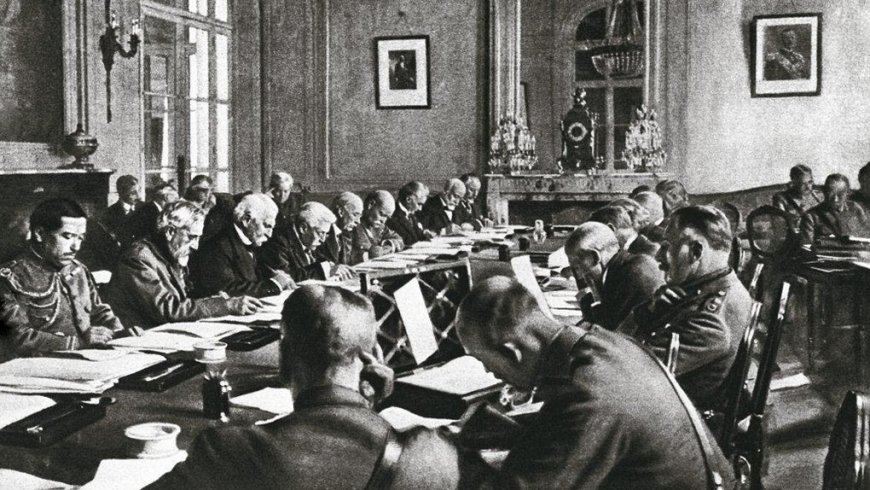
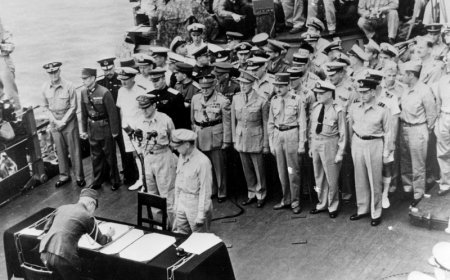
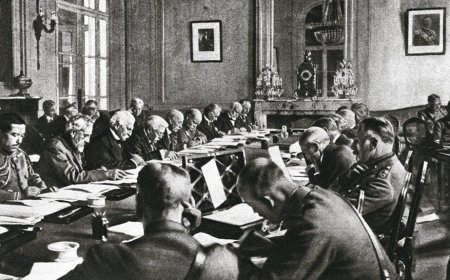
The allied powers officially forced the imperial leaders of the Ottoman Empire to sign a sweeping international partition agreement today. This harsh document drastically reorganizes ancient territories across the Middle East following the recent end of the global war. World leaders intend to diminish local authority while establishing direct European administrative control over former imperial provinces.
Consequently, European diplomats established distinct League of Nations mandates across regions now known as Syria, Lebanon, Palestine, and Iraq. Furthermore, foreign military forces quickly moved into critical administrative zones to ensure compliance with the complex peace terms. Furthermore, these drastic administrative changes trigger deep political resentment among native populations throughout the former imperial lands.
Meanwhile, severe economic restrictions cripple local trade networks and limit national sovereignty across the entire Mediterranean region. However, military officers led by Mustafa Kemal mobilize fierce resistance against foreign occupation and political division across Anatolia. Moreover, nationalist leaders explicitly reject the imperial government in Constantinople for accepting such humiliating foreign peace demands.
Eventually, this growing anger fuels a national liberation struggle that threatens to completely overturn the fragile post war settlement. Moreover, fighting breaks out across multiple battlefronts as determined local forces challenge powerful European expeditionary units directly. Therefore, local military successes force foreign governments to reconsider their ambitious strategic plans for the Middle Eastern region.
Ultimately, this ongoing violent conflict will destroy the original treaty terms and force all nations back to negotiations. Furthermore, diplomats will eventually assemble in Switzerland to draft a completely new sovereign boundary agreement by late July. Finally, historical observers recognize this dramatic turning point as the decisive end of a multi century imperial dynasty.
[Source: Meer]