































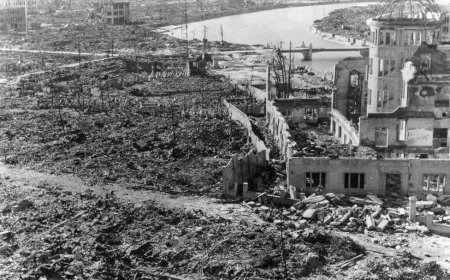


The nuclear destruction of Nagasaki
A historic air strike accelerates the conclusion of world war two
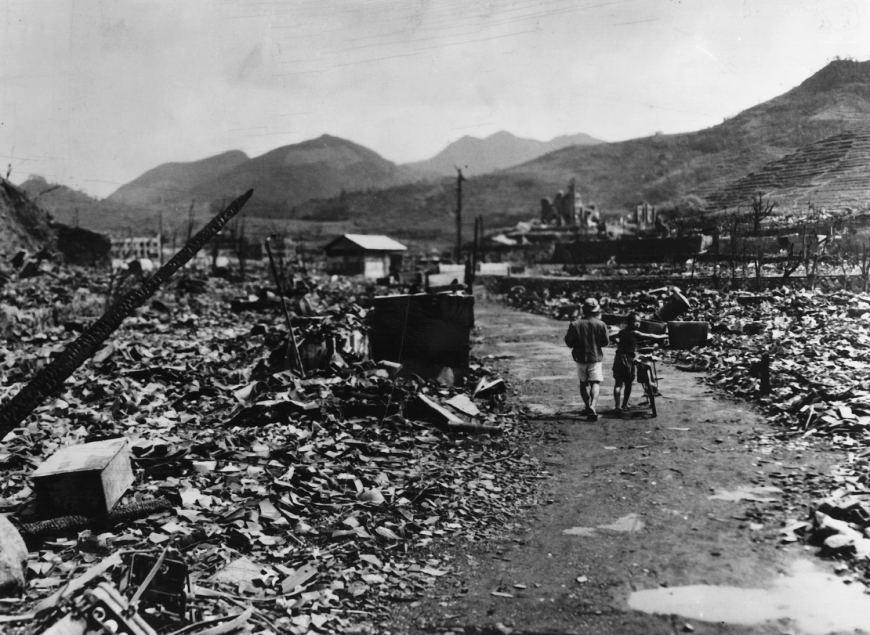
American military forces launched an atomic attack against the Japanese city of Nagasaki on August ninth nineteen forty five. Crew members aboard the heavy bomber Bockscar released a plutonium device named Fat Man directly over the industrial target. This sudden strike devastated the metropolis and killed tens of thousands of residents while accelerating the final Japanese surrender.
The flight originated from Tinian island early in the morning under the direction of major Charles Sweeney. Bad weather forced the airmen to bypass their primary target of Kokura after cloud cover obscured the local terrain. The crew then navigated toward their secondary location where a break in the clouds revealed their primary target.
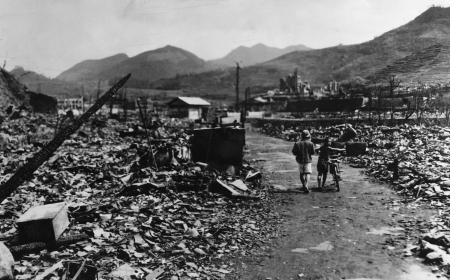
The bomb detonated thousands of feet above the city center with unprecedented explosive force and intense radiation. Blast waves instantly leveled whole neighborhoods while thermal radiation ignited massive fires across the surrounding residential valleys. Local authorities struggled immediately because the explosion completely destroyed key hospitals along with vital communication lines.
Japan faced immense pressure to end the conflict following the destruction of two major urban centers. Emperor Hirohito urged his government to accept allied peace terms to prevent further catastrophic loss of civilian life. Official representatives formally signed the capitulation documents aboard the battleship Missouri in early September near Tokyo.
Military historians continue to analyze the geopolitical consequences of using atomic weapons against civilian centers. Supporters argue that the rapid deployment saved countless lives by avoiding a costly amphibious invasion of mainland Japan. Critics contend that the immense devastation caused unnecessary civilian casualties during the final weeks of the conflict.
The city underwent extensive reconstruction efforts during the subsequent decades following the end of hostilities. Local leaders established prominent memorials to educate future generations about the horrific reality of nuclear warfare. Today Nagasaki stands as a global symbol promoting international peace and complete nuclear disarmament worldwide.
[Source: NBC News]