


























The nuclear strike on Hiroshima: A world altered in a single moment
1945 – The Atomic Bombing of Hiroshima
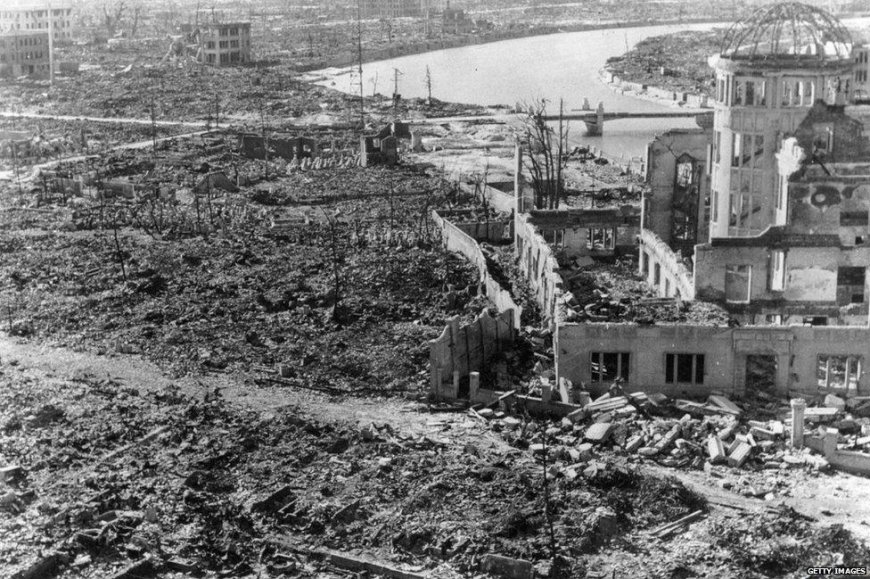
On August 6, 1945, an atomic weapon devastated the city of Hiroshima during World War II. Consequently, this unprecedented attack killed tens of thousands of people instantly and transformed global geopolitical history forever.Ultimately, the deployment of this weapon brought a catastrophic end to the conflict while ushering in a nuclear age.
Prior to the attack, American military forces sought a swift conclusion to the long war in the Pacific. Therefore, leaders selected Hiroshima as a target due to its significant military installations and urban density. Meanwhile, specialized American crews prepared the weapon, named Little Boy, on the island of Tinian.
Early that morning, an aircraft named Enola Gay flew toward the Japanese mainland without encountering serious resistance. Then, at precisely eight fifteen in the morning, the aircraft dropped the atomic weapon over central Hiroshima.Instantly, a blinding flash of light filled the sky as the device exploded hundreds of meters above the ground.
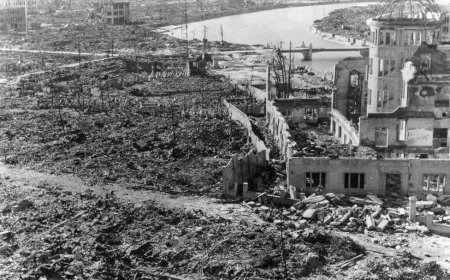
The initial blast wave flattened buildings and generated temperatures reaching thousands of degrees Celsius. Furthermore, intense heat rays instantly vaporized thousands of residents near the hypocenter of the powerful explosion. As a result, massive fires quickly consumed remaining structures across miles of the heavily populated urban landscape.
Shortly after the initial blast, heavy black rain containing radioactive particles fell across the ruined city. Additionally, surviving residents faced extreme severe burns and agonizing sickness from intense radiation exposure. Meanwhile, local emergency services failed completely because the blast destroyed nearly all medical facilities and personnel.
In the following days, the human toll expanded as radiation illness claimed thousands of additional civilian lives.Furthermore, news of the massive devastation stunned leaders in Japan and across the entire international community. Consequently, Japanese officials surrendered unconditionally just days later, officially ending World War II.
Today, people worldwide remember Hiroshima as a stark symbol of the immense destruction caused by nuclear weapons. Indeed, historical records document this catastrophic event as a pivotal turning point for modern international relations. Ultimately, the tragic loss of human life continues to spark solemn reflection on global peace and warfare.
[Source: EBSCO]