






















Conservative leader Mahmoud Ahmadinejad assumes presidency in Iran
Hardline politician formally takes power following presidential election victory in Tehran
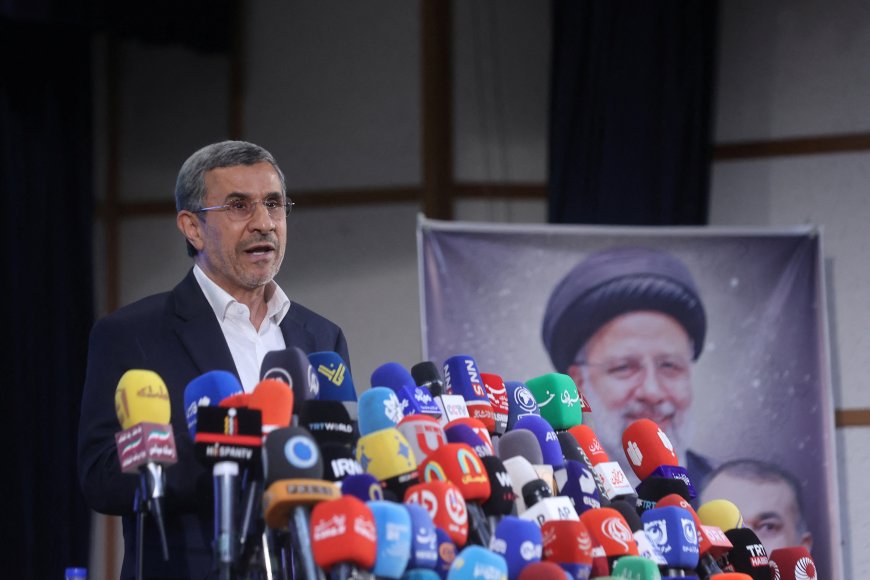
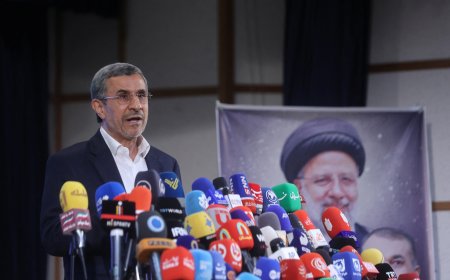
Former mayor Mahmoud Ahmadinejad formally assumed executive power as the sixth president of Iran during an official ceremony in Tehran. Consequently, this historic political transition marked a significant ideological shift toward hardline conservatism throughout the entire sovereign territory of Iran. Furthermore, thousands of government officials attended the prominent gathering inside the capital city to witness the major national leadership change.
Supreme leader Ali Khamenei officially endorsed the presidential election results before issuing a formal decree confirming the new political mandate. Meanwhile, outgoing reformist president Mohammad Khatami read the official endorsement statement to the assembled dignitaries during the traditional public ceremony. However, former president Akbar Hashemi Rafsanjani also watched the historic proceedings alongside prominent Iranian clerics and parliamentary national elected representatives.
In his inaugural speech, Mahmoud Ahmadinejad promised robust economic reforms to help poor families across urban and rural local communities. Additionally, the new leader pledged to distribute national oil revenues more fairly among ordinary citizens to fight persistent widespread poverty. Simultaneously, he emphasized strong support for domestic industrial advancement while maintaining strict adherence to Islamic revolutionary fundamental political state principles.
Regarding foreign policy, Mahmoud Ahmadinejad strongly defended the right of Iran to develop peaceful nuclear technology for national energy production. Moreover, he openly criticized Western powers for attempting to restrict the technological progress of developing nations around the global community. Therefore, international diplomats closely monitored the transition event as global concerns grew about future diplomatic negotiations with leadership in Tehran.
Voters previously chose Mahmoud Ahmadinejad during a decisive runoff election victory over veteran political figure Akbar Hashemi Rafsanjani in June. Indeed, the former mayor gained widespread popularity among working class citizens by presenting himself as an honest public humble servant. Thus, his humble background and simple lifestyle resonated deeply with ordinary voters seeking immediate relief from high nationwide economic unemployment.
Historically, Mahmoud Ahmadinejad became the first civilian leader to reach the presidential office in Iran in over two full decades. Consequently, political analysts expected significant shifts in executive governance as conservative factions gained total control of all key national institutions. Meanwhile, reformist groups expressed serious concern about potential restrictions on press freedoms and political speech under the incoming hardline administration.
In addition, the new president began selecting conservative cabinet members to submit to parliament for official approval inside central Tehran. Ultimately, this critical formal ceremony launched a transformational extended mandate that reshaped both internal state policies and regional security dynamics. Therefore, history remembers this transition as a turning point that altered future diplomatic relations between Iran and major global powers.
[Source: CBS]