





























Natural disasters strike Egyptian infrastructure as record temperatures soar
Extreme seismic movement and scorching summer heat present severe challenges across urban districts
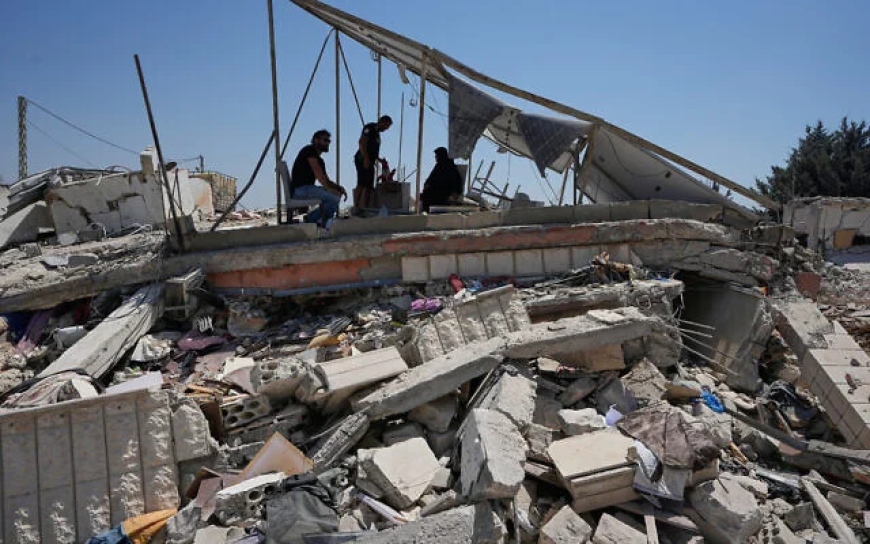
A moderate earthquake with a magnitude of 5.6 struck near the strategic city of Suez early this week. Consequently, violent ground vibrations shook buildings throughout Greater Cairo and rattled populated communities across several surrounding regional provinces. Ultimately, civil defense personnel and Red Crescent response teams immediately initiated critical structural inspections on compromised urban infrastructure.
Following the initial seismic event, emergency workers established rapid monitoring protocols to evaluate potential structural damage across vulnerable districts. Meanwhile, specialized engineers surveyed hundreds of residential apartment blocks and public facilities to verify basic safety standards for occupants. Therefore, local authorities advised citizens to remain vigilant as official inspection teams continued testing building integrity throughout affected neighborhoods.
Simultaneously, weather monitoring agencies issued urgent warnings as an unprecedented summer heatwave reached peak intensity across the whole nation. In fact, extreme atmospheric conditions pushed daytime temperatures up to forty-six degrees Celsius throughout several provinces in Upper Egypt. Furthermore, soaring humidity levels elevated heat indices significantly, creating hazardous environmental conditions for millions of outdoor workers and residents.
Due to the dangerous combination of intense thermal stress and structural uncertainty, agricultural authorities implemented emergency crop management protocols. Additionally, power grid operators struggled to maintain continuous electrical service as regional demand for air conditioning surged dramatically overnight. Meanwhile, medical professionals treated hundreds of vulnerable patients suffering from severe heat exhaustion and dehydration in local emergency facilities.
Looking ahead, government ministries plan to reinforce disaster response capabilities while repairing damaged structural components across impacted metropolitan areas. Moreover, environmental scientists emphasize the urgent need for long-term climate adaptation strategies to protect public health during extreme weather. Ultimately, municipal authorities hope that comprehensive structural evaluations will restore public safety and confidence following these dual natural disasters.
[Source: Reuters]