


/file/attachments/2996/04ED_610405_518242.jpg)


/file/dailymaverick/wp-content/uploads/2023/10/CovidGrant-1.jpg)








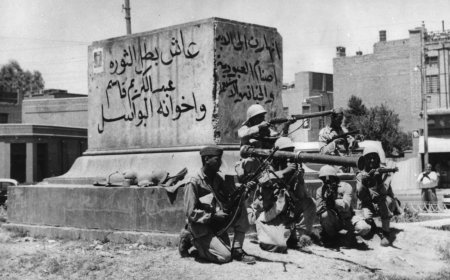






















Lebanon and Israel sign withdrawal agreement amid regional tensions in 1983
Short-lived deal highlights deep political divisions and shifting alliances in the Middle East
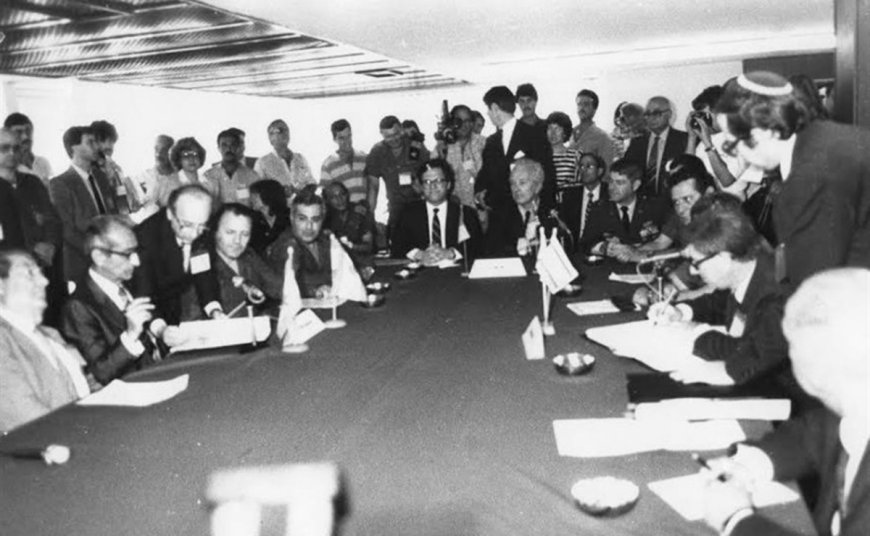
In May 1983, Lebanon and Israel reached a formal agreement aimed at securing the withdrawal of Israeli forces from Lebanese territory. The accord followed the 1982 invasion, which had dramatically reshaped the country’s political and security landscape. The agreement represented an attempt to stabilize Lebanon while reducing direct military confrontation between the two neighboring states.
The deal, often linked to the aftermath of the 1982 Lebanon War, sought to establish security arrangements and normalize relations under complex regional pressure. Lebanese officials faced competing internal factions, each with differing views on foreign presence and national sovereignty. Meanwhile, Israel pursued guarantees that its northern border would remain secure from armed groups operating inside Lebanon.
However, the agreement quickly became a source of intense domestic controversy within Lebanon’s fragmented political system and sectarian structure. Various political and militia groups rejected the terms, arguing that the deal compromised national independence and favored Israeli strategic interests. As opposition intensified, the Lebanese government struggled to maintain authority and enforce the provisions outlined in the accord.
At the same time, regional actors, including Syria, exerted significant influence over Lebanese affairs and opposed the agreement strongly. Syrian leadership viewed the deal as a threat to its position in Lebanon and rejected any arrangement excluding its involvement. Consequently, this external pressure further weakened the agreement and deepened divisions among Lebanese political factions.
As tensions escalated, the agreement began to unravel, with key provisions failing to gain implementation on the ground effectively. Armed clashes and political instability continued, undermining confidence in the deal and preventing meaningful progress toward withdrawal. Ultimately, Lebanon formally canceled the agreement in 1984, marking its complete collapse within a year of signing.
The failure of the agreement underscored the complexity of Lebanon’s internal dynamics and the broader geopolitical rivalry shaping the Middle East. It demonstrated how domestic fragmentation, combined with external intervention, could derail diplomatic efforts despite initial international support. Moreover, the episode highlighted the difficulty of achieving lasting peace agreements in regions marked by overlapping conflicts and competing interests.
In the years that followed, Israeli forces remained in parts of southern Lebanon until a later withdrawal in 2000 under changing conditions. The 1983 agreement remains a significant case study in Middle Eastern diplomacy, illustrating both ambition and limitation in conflict resolution efforts. Today, analysts continue to examine its collapse as a lesson in the challenges of balancing sovereignty, security, and regional power politics.
[Source: Al Majalla]