/file/attachments/2996/04ED_610405_518242.jpg)


/file/dailymaverick/wp-content/uploads/2023/10/CovidGrant-1.jpg)





























Iran gulf tensions escalate amid covert strikes and shipping disruptions
Secret operations and Strait of Hormuz instability raise fears of wider conflict and global energy shock
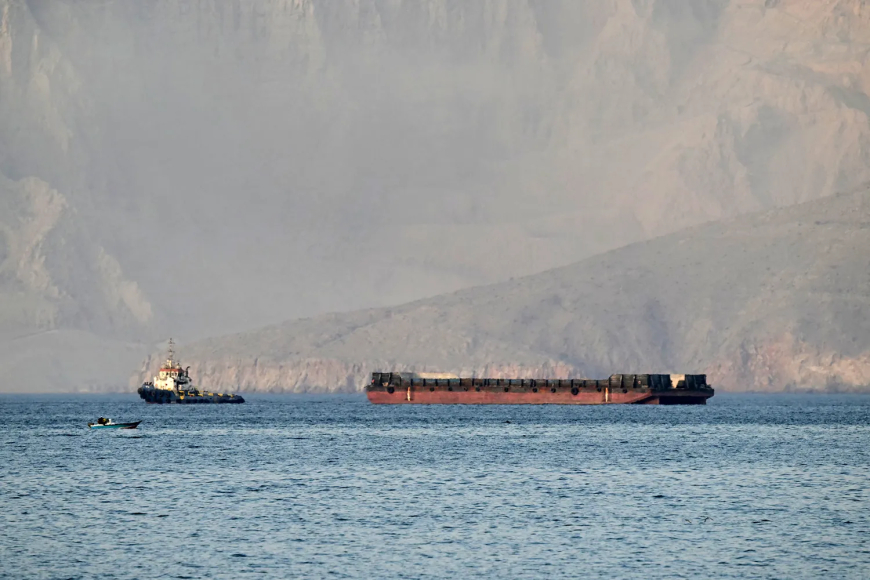
Rising tensions between Iran and Gulf states signal a escalation with covert actions threatening regional stability and global energy security. Reports indicate Saudi Arabia has conducted secret strikes inside Iranian territory, marking a shift from indirect rivalry to direct confrontation. These developments highlight how competition increasingly unfolds beyond diplomacy, as military actions and intelligence operations shape the evolving conflict landscape.
At the time, the Strait of Hormuz crisis continues disrupting shipping routes, raising concerns about oil supplies and economic stability. Officials warn that disruptions in this critical waterway could impact multiple countries dependent on steady energy flows and maritime trade. Moreover, leaks suggest the covert nature of operations complicates diplomatic responses, as governments avoid public acknowledgment while pursuing strategic objectives.
In addition, regional allies and adversaries monitor developments, calculating risks and adjusting policies as uncertainty grows across the Middle East. Meanwhile, energy markets react nervously to escalation sign, with traders anticipating potential supply shocks that could drive prices higher worldwide. Furthermore, maritime security concerns intensify as commercial vessels face heightened risks, prompting shipping companies to reroute or delay crucial deliveries.
Consequently, insurance costs through the Strait increase sharply, adding financial pressure on global trade networks already strained by geopolitical tensions. However, officials in Tehran deny involvement in provocations, accusing Gulf rivals of aggression and warning retaliation remains a viable option. Saudi authorities have not confirmed the reported strikes, yet analysts believe actions align with broader efforts to counter Iranian influence.
As tensions rise, international actors call for restraint, emphasizing the importance of maintaining open shipping lanes and preventing wider conflict. Nevertheless, efforts struggle to keep pace with developments, as mistrust deepens and communication channels between rivals remain limited and fragile. In turn, regional populations face uncertainty as governments prepare for potential escalation, reinforcing security measures and bracing for economic consequences.
Additionally, experts argue that prolonged instability around the Strait could reshape energy routes, encouraging alternative corridors and accelerating diversification efforts. Meanwhile, humanitarian concerns emerge as disruptions to supplies may affect electricity generation, food distribution, and essential services in vulnerable regions. Therefore, unfolding situation demands monitoring, as development carries implications not only for the region but for the broader international system.
Ultimately, escalation without diplomacy risks triggering a wider confrontation that could destabilize markets, disrupt supplies, and increase geopolitical fragmentation globally. For observers emphasize need for deescalation, warning that miscalculations or covert actions could rapidly intensify an volatile and unpredictable crisis.
[Source: Indian Express]