




































The historic resignation of Richard Nixon
A constitutional crisis leads to a peaceful transfer of presidential power
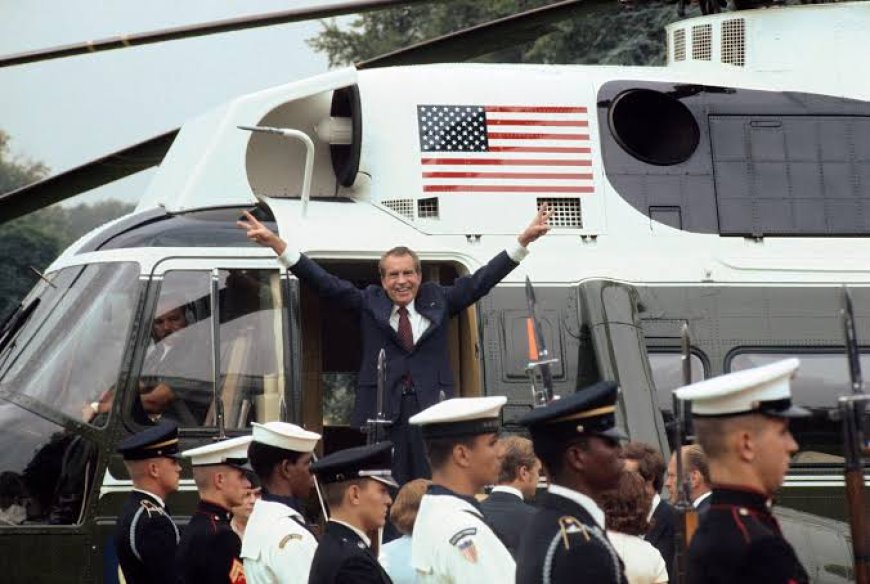
President Richard Nixon officially resigned his executive office on August ninth nineteen seventy four following months of intense political turmoil. Consequently Vice President Gerald Ford assumed the highest national office at noon to restore public confidence during this constitutional crisis. Therefore this extraordinary event marked the first time that an American leader surrendered power before completing his elected presidential term.
Earlier investigators uncovered evidence connecting the White House directly to a burglary at Democratic headquarters inside the famous Watergate complex. Furthermore congressional committees revealed secret audio recordings proving that Nixon participated in a coordinated coverup to mislead federal government investigators. Meanwhile journalists Carl Bernstein and Bob Woodward published numerous investigative reports detailing covert political espionage against rival democratic campaign opponents.
Subsequently key legislative leaders informed the embattled president that majorities in both congressional chambers demanded his immediate and total removal. In addition senior party allies advised him that defending his controversial actions during a Senate trial would prove entirely impossible. Thus Nixon addressed the entire nation through live television to announce his final decision to relinquish all executive duties immediately.
Accordingly the outgoing commander departed the capital aboard a military helicopter while loyal staff members gathered across the South Lawn. Meanwhile Chief Justice Warren Burger administered the presidential oath to Gerald Ford inside the historic East Room precisely at noon. Immediately the new leader delivered a reassuring speech declaring that our long national nightmare had finally reached its peaceful conclusion.
However the political aftermath triggered widespread debates across the country regarding government ethics and transparency among elected public federal officials. Consequently lawmakers passed new campaign finance regulations and stricter oversight laws to prevent future abuse of executive presidential governing authority. Furthermore citizens demanded greater accountability from institutional leaders while investigative journalism gained tremendous prestige throughout modern American society as well.
Ultimately historians study this unprecedented transition of power as a crucial milestone testing the enduring resilience of the American Constitution. Moreover scholars emphasize how constitutional checks and balances successfully preserved democratic governance without provoking severe civic unrest or civil violence. Today the dramatic departure of Nixon remains a powerful historical reminder of the fundamental principle that nobody stands above law.
[Source: NPR]