






























The diplomatic warnings on Gaza and defense alliance expansion
A prominent regional leader outlines red lines while key nations form a collective security network

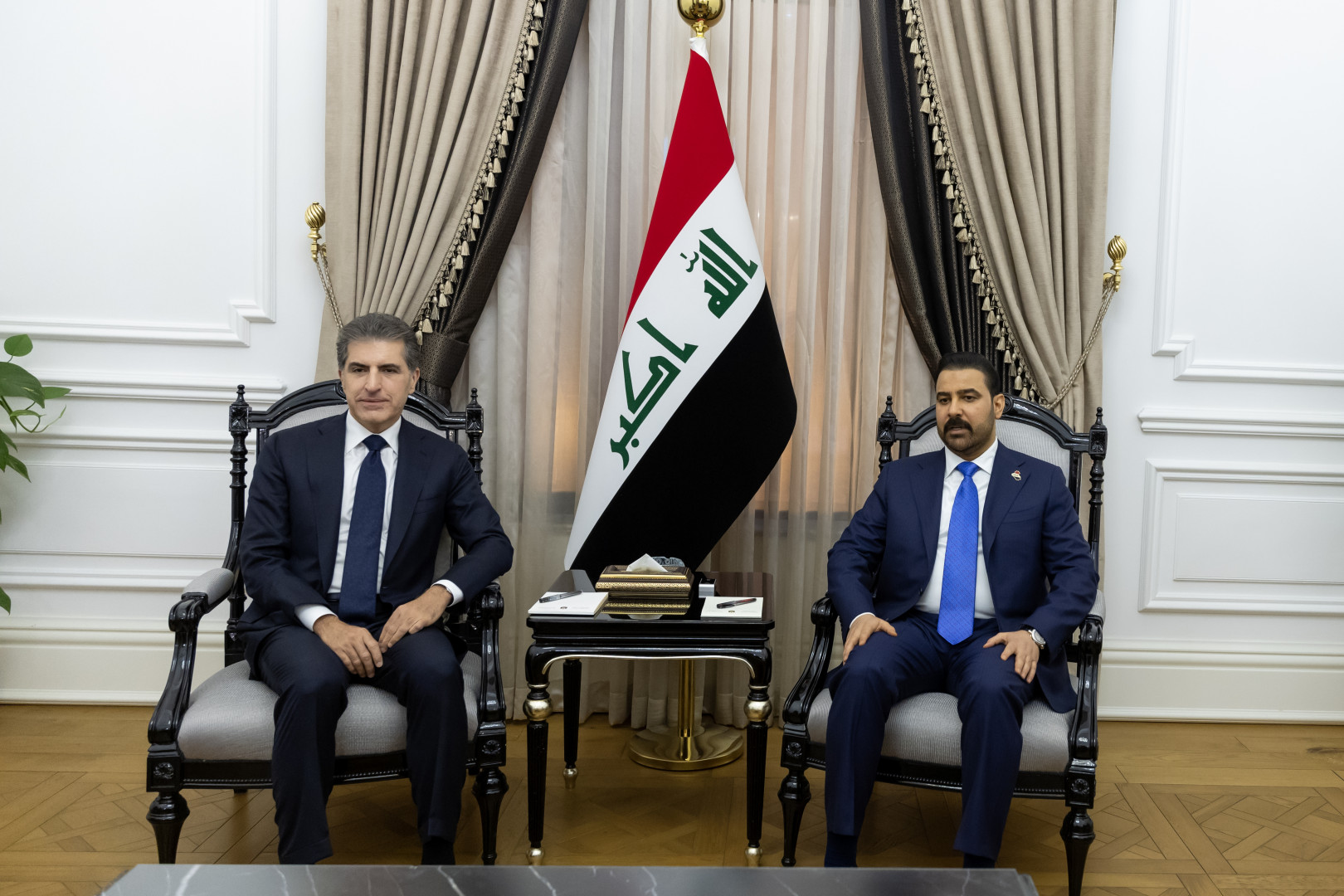
Egyptian Foreign Minister Badr Abdelatty warned during a press interview that plans for the forced displacement of Palestinians remain on the table. Consequently official representatives reaffirmed that Cairo firmly opposes any coerced movement across its borders as a strict red line. Therefore this diplomatic stance highlights growing concerns regarding regional security and the long-term protection of Palestinian national rights.
Previously several regional powers convened to establish a formal security architecture through the historic Mecca Joint Defense Agreement. Subsequently official representatives from Saudi Arabia along with Turkey and Pakistan signed the defense pact. Thus foreign minister Hakan Fidan identified Egypt as a primary expansion candidate and natural partner for future collective security arrangements.
Accordingly Egyptian authorities continue to monitor border security while maintaining firm resistance against any population transfers. Meanwhile regional diplomats argue that forced displacement under intolerable living conditions violates international law regarding occupied territories. Simultaneously foreign policy analysts suggest that expanding defense cooperation could provide much needed strategic stability across neighboring territories.
Furthermore Turkish officials emphasized that this defense agreement remains open to other sovereign partners throughout the region. Additionally military experts note that potential Egyptian participation would significantly enhance deterrence mechanisms across crucial international maritime routes. Indeed leadership from participating countries described the new alliance as a essential pillar for maintaining regional stability.
Ultimately international observers view these dual developments as major milestones shaping Middle Eastern political dynamics today. Moreover sovereign states increasingly rely on collective defense networks to safeguard national borders against ongoing conflicts. Consequently strategic coordination between major regional capitals will determine future security frameworks across the entire Middle East.
[Source: The Times of Israel]